The padel racket industry is moving from simple product manufacturing toward professional product development. Brands and distributors are no longer competing only through price. They are competing through racket performance, user experience, product positioning, and manufacturing innovation.
The future of padel racket production depends on understanding players, defining clear product goals, and transforming market needs into accurate technical specifications. A successful racket is not created only through advanced materials. It is created when design, engineering, and target market expectations work together.
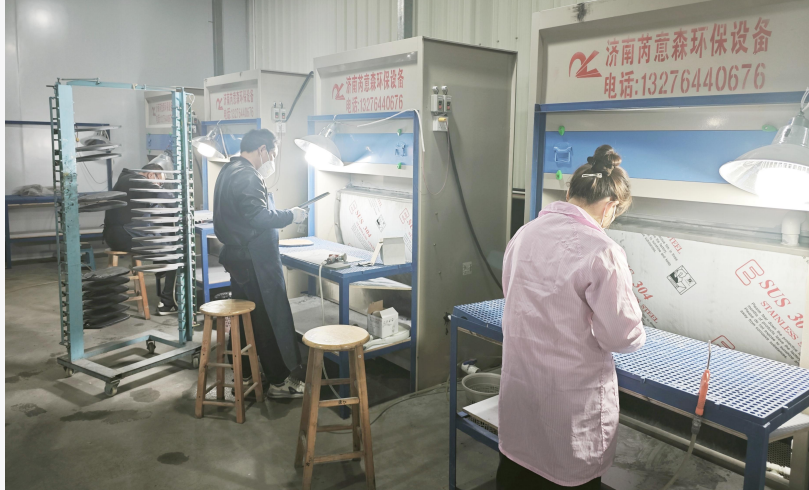
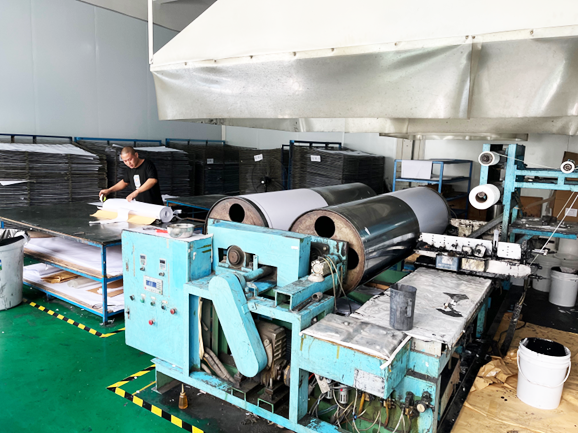
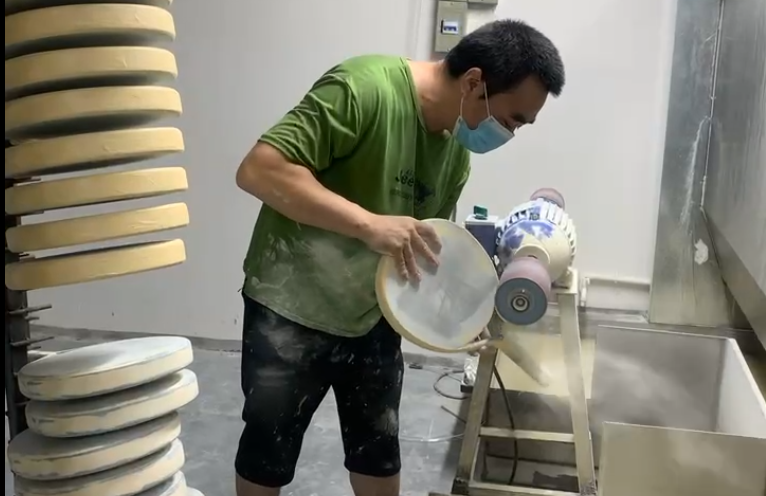
Professional manufacturers are now becoming development partners rather than simple production suppliers. With strong R&D capabilities, factories can support everything from concept planning to final production. A complete padel racket manufacturing system shows how product design and production technology are becoming increasingly connected.
Why Product Positioning Is Becoming More Important in Padel Racket Production
The padel market is becoming more competitive, and product positioning has become one of the most important steps before development begins.
Many product failures happen because rackets are designed without a clear target user. A product may have good materials and attractive graphics but still struggle in the market because the performance does not match player expectations.
Before sampling begins, manufacturers and brands need to define several important questions:
- Who is the main player group?
- What playing style does the racket support?
- Is the focus power, control, comfort, or balance?
- What price level does the product need to reach?
- Which market segment will purchase this racket?
Different players require different technical solutions. Beginners usually need rackets with a larger sweet spot, easier control, and more comfort. Advanced players often look for stronger power output, faster response, and more precise feedback.
Clear positioning helps determine every later decision, including carbon fiber selection, EVA foam density, racket shape, balance point, and surface structure.
Modern factories with internal design and R&D teams can help transform market ideas into realistic product concepts. A professional manufacturing system such as padelico combines engineering knowledge with production experience to support more accurate product development.
How to Define Product Positioning Before Sampling
Product positioning should be completed before prototype development because every technical decision depends on the intended product role.
The first step is identifying the target player profile. A racket designed for beginners should not use the same structure as a professional competition model. The playing experience, comfort level, and performance expectations are completely different.
The second step is defining the product personality. For example:
- Power-oriented rackets focus on stronger rebound and aggressive attacking performance.
- Control-oriented rackets focus on accuracy, stability, and easier handling.
- Comfort-oriented rackets focus on vibration reduction and longer playing sessions.
The third step is deciding the competitive advantage. A product needs a clear reason for customers to choose it. This advantage may come from unique carbon structures, special balance systems, improved comfort, or customized appearance.
The sampling stage should only begin after these decisions are confirmed. Without clear positioning, factories may produce samples that look attractive but fail to match the intended market.
Professional manufacturers usually combine market understanding with engineering experience. They can suggest improvements before production begins, helping avoid unnecessary development costs and time delays.
Turning Player Profiles into Product Specs
Player profiles are the bridge between market research and technical manufacturing.
A player profile includes more than age or skill level. It also includes playing habits, preferred feeling, frequency of use, and performance expectations.
For example, a beginner player usually values:
| Player Need | Possible Product Specification |
|---|---|
| Easier control | Larger sweet spot |
| More comfort | Softer EVA foam |
| Less fatigue | Balanced weight distribution |
| Better learning experience | Medium flexibility |
Intermediate players often need a combination of control and power. Their rackets may require medium-hard EVA foam, balanced weight distribution, and optimized carbon layers.
Advanced players usually demand stronger technical performance. They may prefer harder surfaces, higher stiffness, stronger rebound, and more aggressive balance.
Turning these profiles into specifications requires manufacturing knowledge. Engineers need to understand how each material decision changes the final playing experience.
Carbon fiber thickness, fiber direction, foam density, frame reinforcement, and drilling pattern all influence performance. A small adjustment in one area can change the entire feeling of the racket.
This is why professional racket development requires cooperation between market understanding and technical expertise. Good factories do not simply follow instructions. They help connect player needs with production solutions.
Matching Product Specs to Target Market Needs
A successful racket must match both player expectations and market conditions.
Different regions and customer groups often have different preferences. Some markets prefer lightweight and comfortable rackets because many players are recreational users. Other markets have stronger demand for powerful rackets designed for experienced competitors.
Product specifications should therefore consider:
- Player skill level
- Climate conditions
- Playing frequency
- Local purchasing habits
- Competitive products in the market
For example, a racket designed for club players may prioritize durability and comfort because it will experience frequent use. A premium professional model may focus more on performance advantages and advanced materials.
The same technical specification cannot satisfy every market. Successful product lines usually include multiple models with different positioning.
Factories with strong development experience can help adjust materials and structures according to market goals. This creates better product-market matching and reduces the risk of launching unsuitable products.
The Role of R&D in Future Padel Racket Manufacturing
Future padel racket production will depend heavily on research and development capabilities.
Traditional manufacturing focuses mainly on producing existing designs. Modern manufacturing focuses on improving performance, developing new structures, and creating better user experiences.
R&D teams study how materials influence power, control, comfort, and durability. They test different carbon combinations, foam structures, and frame designs to achieve specific performance goals.
Technology development also helps factories create more customized solutions. Instead of offering only standard models, advanced manufacturers can develop unique rackets for different brands and markets.
This trend creates stronger cooperation between brands and factories. Product development becomes a shared process where market knowledge and engineering ability work together.
A manufacturer with internal R&D, design, and production capabilities can respond faster to changing market needs and create more competitive products.
Common Mistakes When Developing New Padel Rackets
One common mistake is starting production before defining product positioning. Without a clear target user, technical decisions become uncertain and samples may require many unnecessary changes.
Another mistake is copying successful products without understanding why they work. A racket that performs well in one market may not achieve the same results in another market.
Ignoring player feedback is another problem. Real users provide valuable information about comfort, control, power, and durability.
Some companies also focus too much on appearance. Attractive design helps marketing, but performance determines long-term customer satisfaction.
Another mistake is choosing production partners only based on manufacturing price. Product development requires technical support, communication ability, and quality management. A low-cost supplier without engineering capability may create more problems during development.
A better approach is building cooperation with manufacturers that understand materials, player requirements, and production processes.
How Professional Manufacturing Will Shape the Future of Padel
The future of padel racket production will be defined by smarter development, stronger customization, and better connection between players and manufacturers.
Factories will continue improving carbon technology, foam materials, testing systems, and production efficiency. At the same time, market research will become more important because successful products must solve specific player needs.
Manufacturers that combine design, R&D, production, and quality control will have stronger advantages. They can move faster from concept to prototype and from prototype to commercial production.
For brands and distributors, the future opportunity is not only finding a factory that can produce rackets. It is finding a manufacturing partner that understands product strategy and can support continuous improvement.
Conclusion
The future of padel racket production depends on accurate positioning, professional engineering, and strong manufacturing cooperation.
Defining player profiles, converting them into technical specifications, and matching products with market needs are essential steps for creating successful rackets.
Factories with advanced R&D capabilities and complete production systems can help develop products that deliver better performance, stronger market positioning, and long-term value.