The tension of your badminton racket strings plays a crucial role in the overall performance of the racket. Whether you’re smashing, clearing, or playing a net shot, the string tension can significantly affect the control, power, and feel of your shots. But how does racket tension impact your game, and how do you choose the right tension for your style?
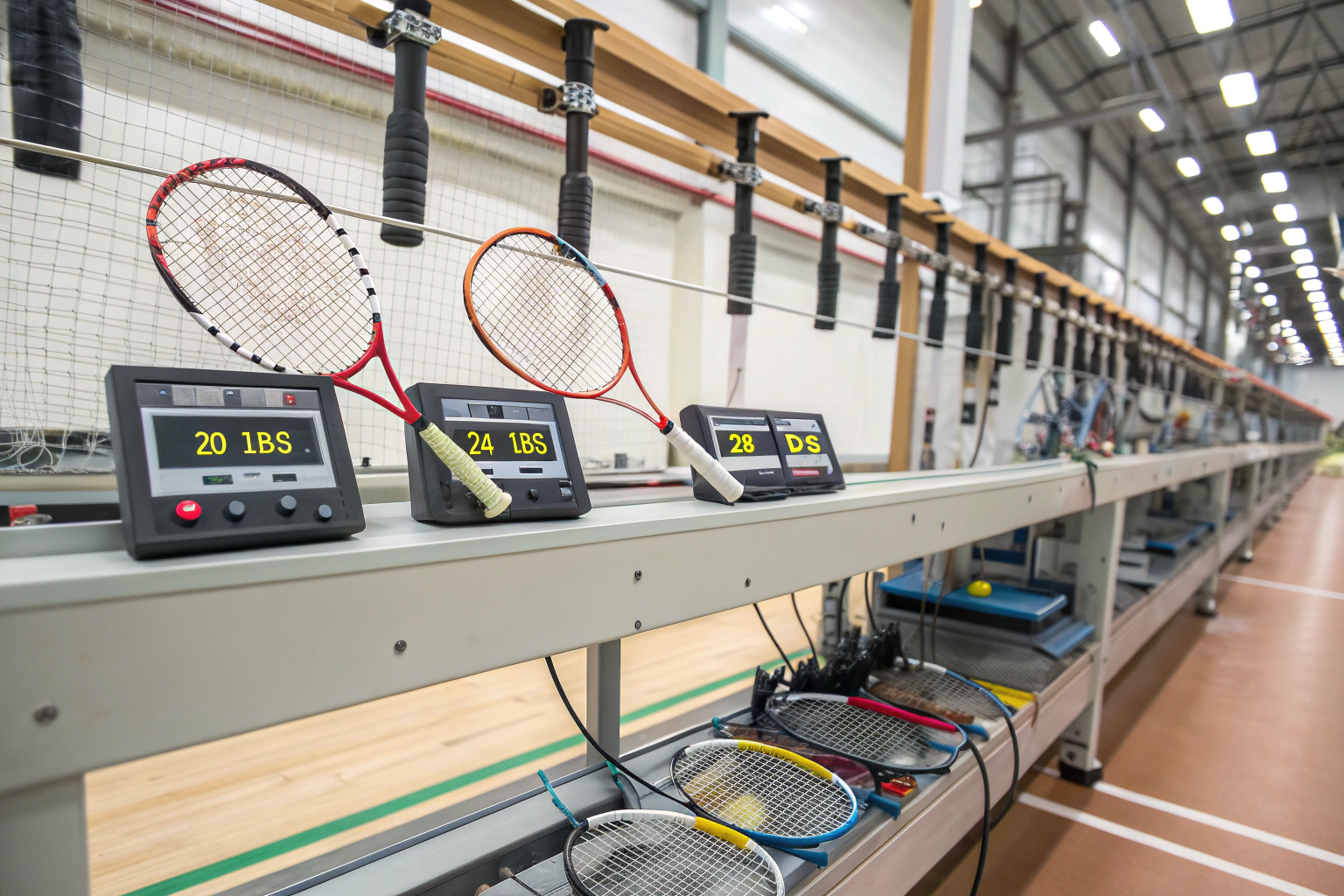
The right racket tension can enhance your control, power, and comfort, while an incorrect tension can hinder your performance.
Badminton racket string tension is often overlooked, but it’s a key factor in determining how well you play. String tension influences the response of the racket, and understanding how different tensions affect your shots will help you make better choices. Let’s explore how string tension impacts your game and how to find the ideal tension for your style of play.
What is badminton racket tension?
Badminton racket tension refers to how tightly the strings are strung on the racket frame. The tension is measured in pounds (lbs) or kilograms (kg) and typically ranges from 18 lbs to 30 lbs. The higher the tension, the tighter the strings, and the lower the tension, the looser the strings.
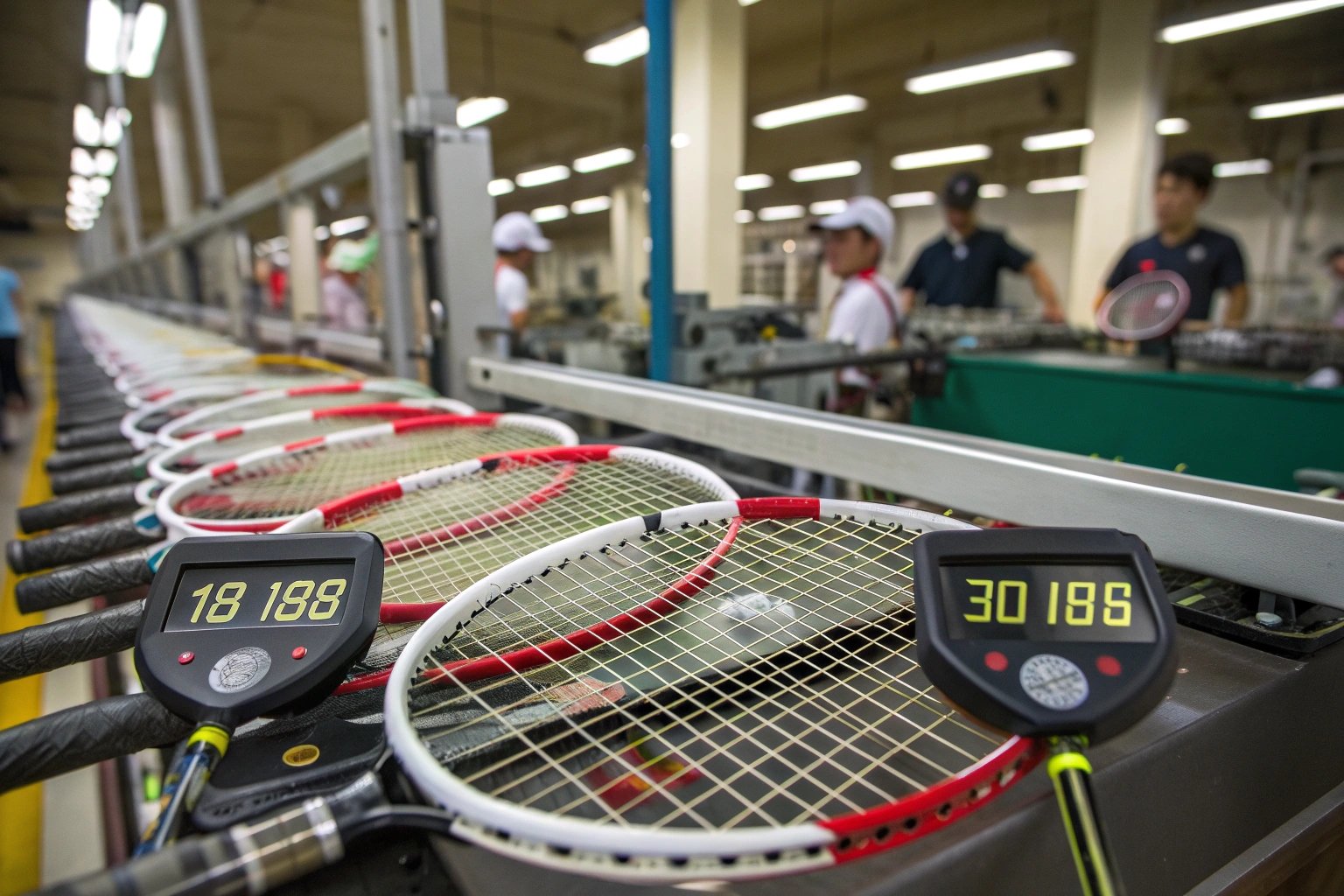
Higher tension means less string movement, resulting in more control and precision, while lower tension offers more power but less control.
When the tension is high, the strings are less likely to deform when the shuttle hits them. This results in more precise shots and a greater feeling of control, as the shuttle’s trajectory is more predictable. On the other hand, lower tension allows the strings to deform more when striking the shuttle, providing a larger “sweet spot” and more power, but sacrificing some control and accuracy.
How does string tension affect power?
String tension plays a significant role in the amount of power you can generate from your shots. A higher string tension reduces the “trampoline effect” and allows for more control, but it also reduces the power potential of your shots.
Lower string tension provides more power but less control, while higher tension offers more control but less power.
When the string tension is low, the strings act like a trampoline, allowing the shuttle to bounce off with more force. This is beneficial for players who need extra power, especially in smashes or clears. A lower tension will give you more power without needing to exert as much effort.
However, while power is increased with lower tension, you sacrifice control, as the shuttle may not travel exactly where you intend. Higher tension, on the other hand, gives you more control over where the shuttle lands, but it requires more precise timing and strength to generate power.
How does string tension affect control?
Control is one of the most important aspects of badminton, especially when it comes to placing the shuttle exactly where you want it. String tension has a direct impact on control, with higher tensions providing better precision.
Higher string tension offers more control, allowing you to place your shots with greater accuracy, but it requires more effort to generate power.
When your racket strings are tightened to a higher tension, there’s less movement in the strings, and the shuttle stays on the strings for a shorter time. This means that you have more direct control over the shuttle’s trajectory. Players who rely on finesse, net play, or placing shots with accuracy tend to prefer higher string tension.
On the other hand, lower tension provides less control as the strings deform more and the shuttle can become less predictable. This is often less desirable for players who focus on precision and accuracy but can be beneficial for players who rely on speed and power.
How do you choose the right string tension for your game?
Choosing the right string tension depends on your playing style, skill level, and comfort preferences. Understanding how tension affects your shots can help you decide which tension works best for you.
Your playing style—whether you prefer power or control—will determine the ideal string tension for your racket.
- Low tension (18-22 lbs): Ideal for beginners or players who rely on power and speed. Lower tension provides a larger sweet spot, making it easier to generate power without needing precise timing. It is also more forgiving on off-center hits.
- Medium tension (22-26 lbs): This is the most common tension range for intermediate players who need a balance between power and control. It offers decent power while providing control for more accurate shots.
- High tension (26-30 lbs): Best for advanced players who prioritize control and precision over raw power. High tension strings offer greater shot accuracy, but they require better technique and timing to generate power.
How do string tension changes affect your game?
Over time, strings lose their tension, even if they are not hit. The tension gradually drops with use, which can affect your game. If you notice that your shots lack power or control, it might be time to restring your racket with a higher tension.
Adjusting string tension based on your needs and how often you play can help maintain consistent performance.
If you’re finding it difficult to generate power, it could be due to the tension being too high for your style. Similarly, if your shots are feeling too "soft" or less controlled, a higher tension may help you regain the necessary control and accuracy. Regularly checking and adjusting your string tension is an important part of racket maintenance.
Conclusion
The tension of your badminton racket strings has a significant impact on how you play. Whether you seek more power or better control, understanding how string tension affects your game can help you make better choices. By adjusting the tension to suit your playing style, you can improve your shot accuracy, power, and overall performance on the court.