
As pickleball continues to grow worldwide, many players and buyers notice the rising prices of paddles. The reason lies in the materials, engineering, and testing behind every unit.
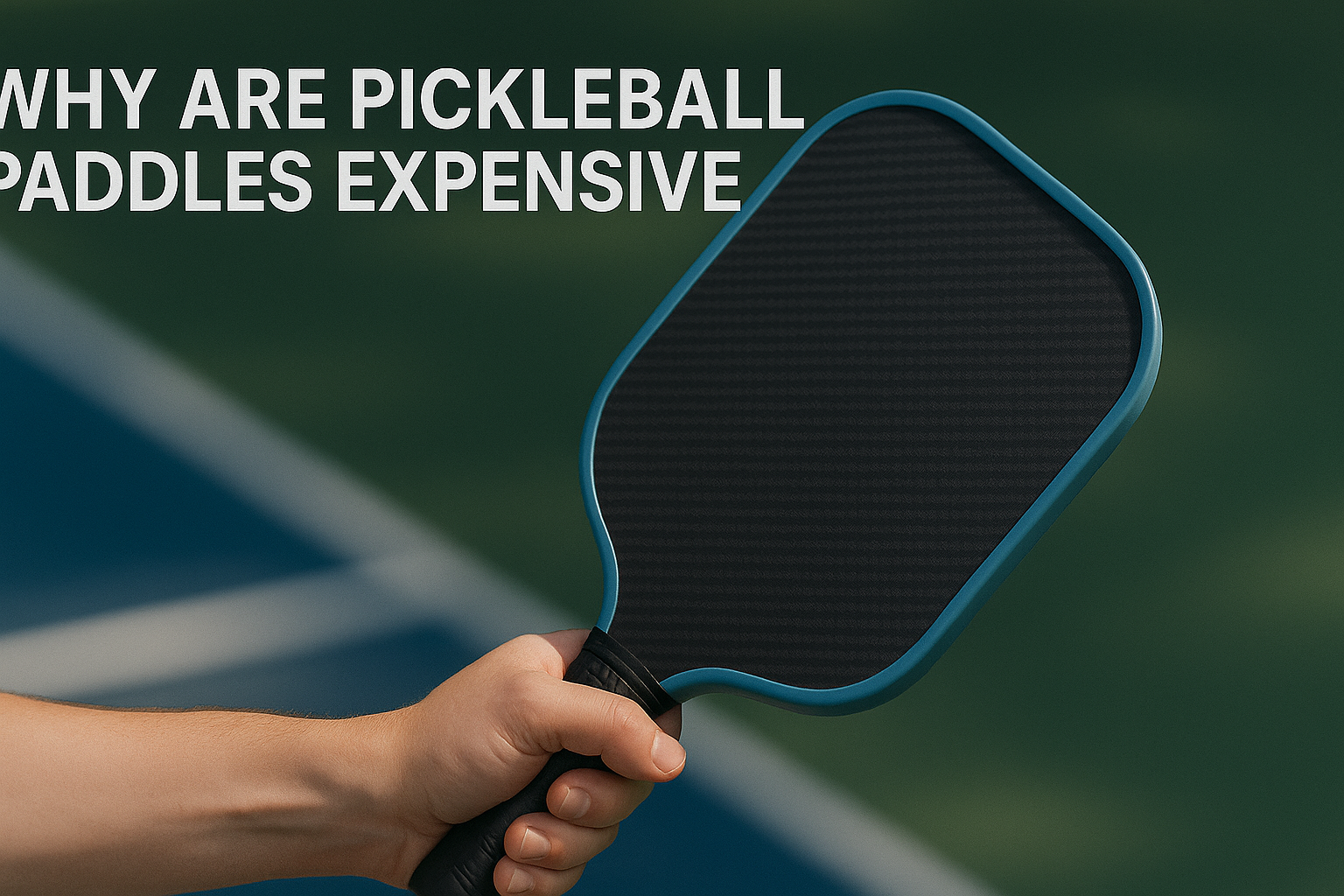
Pickleball paddles are expensive due to advanced materials, precision manufacturing processes, certification costs, and product differentiation through design and technology.
The cost of a professional paddle is not determined by size or shape, but by the internal structure, construction method, and performance requirements. These factors drive both production cost and retail pricing.
How do materials influence paddle pricing?
The selection of face and core materials directly affects not only gameplay but also the overall cost structure of the paddle.
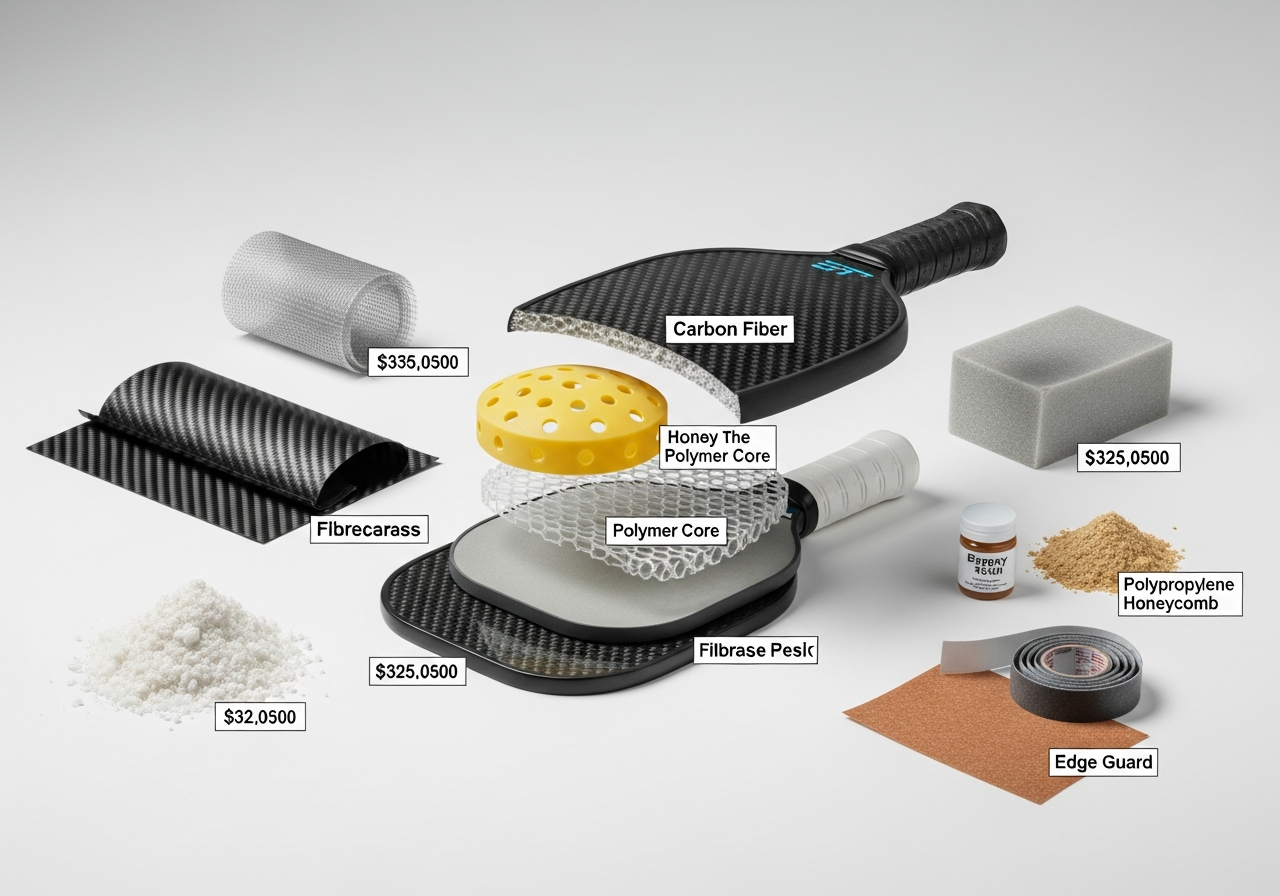
Premium paddles use high-grade polypropylene cores and carbon fiber surfaces, which are significantly more expensive than standard plastic or fiberglass alternatives.
| Material Type | Cost Level | Features |
|---|---|---|
| PET/ABS | Low | Basic surface, short lifespan |
| Fiberglass | Medium | Good power, moderate control |
| Carbon Fiber (3K–18K) | High | High control, durability, spin |
| Nomex or PP Core | Medium to High | Controlled rebound, tested compression |
Carbon fiber must be layered and heat-pressed under strict conditions to ensure strength without adding weight. The raw cost of these materials is significantly higher than low-end composites or plastics, and their performance is favored in competitive play.
What role does manufacturing complexity play in price?
High-end paddles require multi-step lamination, mold shaping, weight balancing, and surface texturing—processes that increase production time and cost.
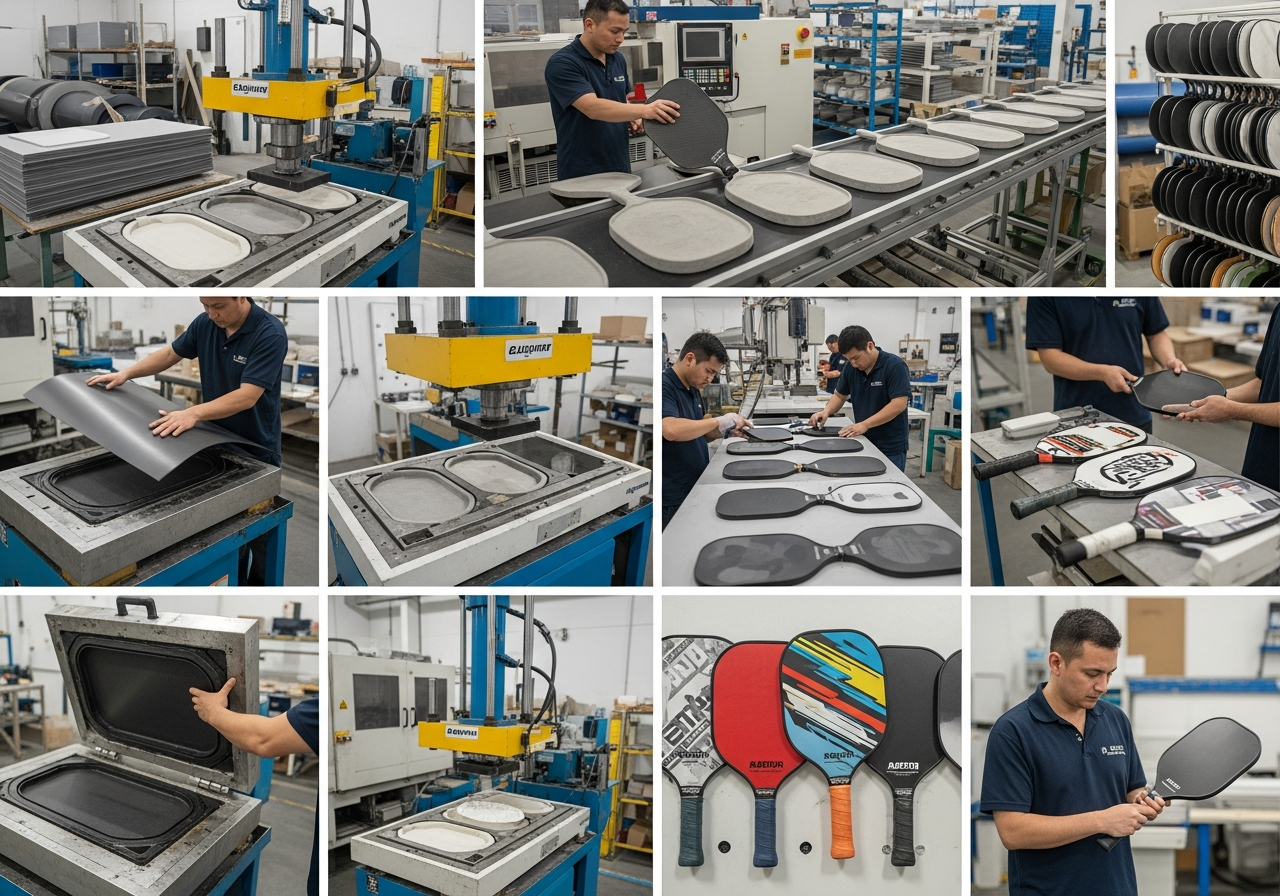
Precision manufacturing ensures consistent weight, deflection, and sweet spot response, all of which demand advanced tooling and labor-intensive production.
| Process Component | Basic Paddle Production | Premium Paddle Production |
|---|---|---|
| Molding | Manual open-mold gluing | CNC-controlled compression molding |
| Surface Coating | Glossy or smooth | Textured grit or UV-resistant matte |
| Edge Protection | Generic strip | Integrated aerodynamic edge with buffers |
| Balance Calibration | Not adjusted | Digitally balanced within 1–2g tolerance |
Additional steps such as vacuum lamination, heat transfer artwork, and pressure testing extend manufacturing lead time and increase cost—but also improve user satisfaction and brand reputation.
Why do certifications and performance standards matter?
Pickleball paddles intended for serious or competitive play must meet strict requirements set by associations like the USAPA.
Complying with official standards requires extensive in-house testing, third-party certification, and ongoing quality control—all of which raise production costs.
| Certification Requirement | Impact on Cost |
|---|---|
| Surface Roughness Limits | Requires precision finishing |
| Bounce/Deflection Testing | Adds inspection time |
| Size/Weight Standards | Limits design flexibility |
| Lab Testing Fees | Fixed cost per model |
Only factories with in-house testing facilities or access to lab partners can consistently produce paddles that pass these tests. Budget suppliers often skip this step, which can disqualify products from formal play.
How does branding and product design affect price?
In the competitive paddle market, appearance, brand value, and emotional design elements significantly influence consumer pricing and perception.
Custom paddle molds, unique surface graphics, branded edge guards, and premium packaging increase perceived value and justify higher price points.
Many brands invest in:
- Multi-layer printing with custom colorways
- Embossed logos and grip caps
- Ergonomic grip systems
- Matching accessories and carry bags
These features require coordination between design teams and manufacturers, and add cost in both tooling and per-unit production. However, they are essential in premium market segments where design appeal is linked to sales performance.
Why is consistency important in high-end paddles?
Mass production often leads to variation. High-end pickleball paddles demand strict tolerance control, ensuring that every unit performs exactly as expected.
Consistency in core bonding, surface tension, and balance is achieved only through high-precision assembly lines, strict quality assurance, and experienced technical staff.
Without this level of control:
- Bounce can vary across the face
- Surface texture may wear unevenly
- Players will notice grip discomfort or misbalance
Manufacturers of premium paddles typically invest in calibrated machines, batch testing systems, and clean-room lamination environments—none of which exist in low-cost assembly shops.
Conclusion
Pickleball paddles are priced based on engineering, not just materials. The use of carbon fiber, precision cores, advanced molding, certification compliance, and branded design elements all contribute to the higher cost of premium paddles.
Manufacturers capable of delivering these features offer more than just production—they provide a foundation for brand growth, customer trust, and competitive market positioning.
📩 For technical consultation, sample coordination, or custom paddle manufacturing, contact the Youth Padel engineering team at hu@miao-ke.com or reach out via WhatsApp at +86-13023656973. Full-service OEM/ODM support is available for paddle brands seeking performance, consistency, and international compliance.