
Starting pickleball can be overwhelming with all the paddle options available. Whether you're new to the sport or upgrading from a basic model, understanding what makes a good beginner paddle will set you up for success.
For beginners, the best paddle provides comfort, control, and versatility. It doesn’t need to be the most expensive, just something that suits your game.
When choosing a paddle, it’s essential to focus on what will help you improve your skills rather than purchasing based on features you may not need yet. The right paddle for a beginner makes the game easier, more enjoyable, and helps develop key techniques.
Choosing the Right Weight: Light or Midweight?
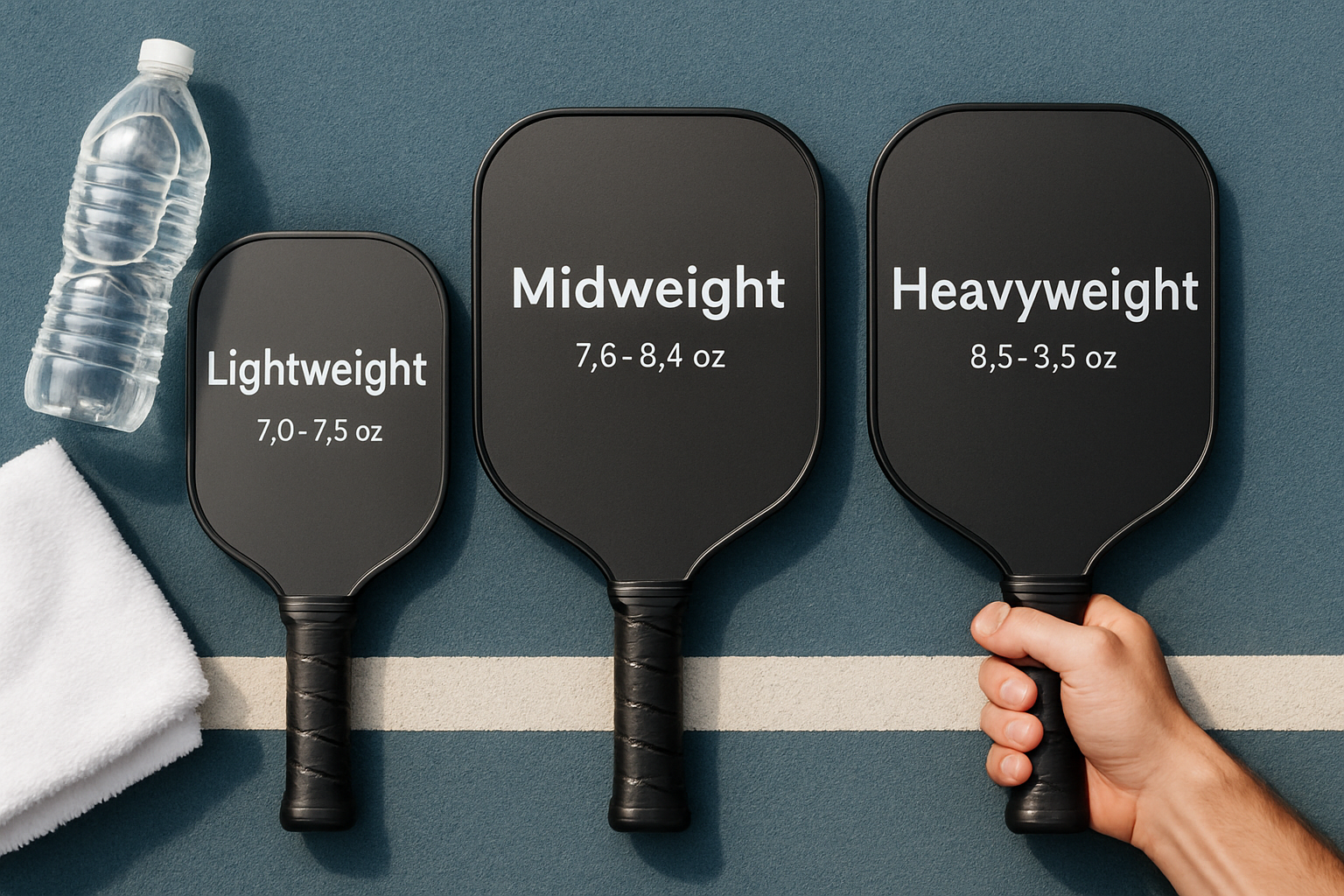
For beginners, one of the most important factors is paddle weight. A paddle that’s too light may feel quick but lacks the power for effective shots, while a paddle that’s too heavy might tire you out too quickly.
Midweight paddles (7.6 to 8.2 oz) are the best starting point for most players. They offer a balance of control and power, making them versatile enough for both fast exchanges and longer rallies.
Lighter paddles are great for quick reactions and maneuverability, but they often lack the mass needed for strong returns. Heavier paddles provide power but can feel too sluggish if you're just learning. Midweight paddles strike the right balance, giving you enough weight to generate power while allowing for faster swings at the net.
What Grip Size Should You Choose?
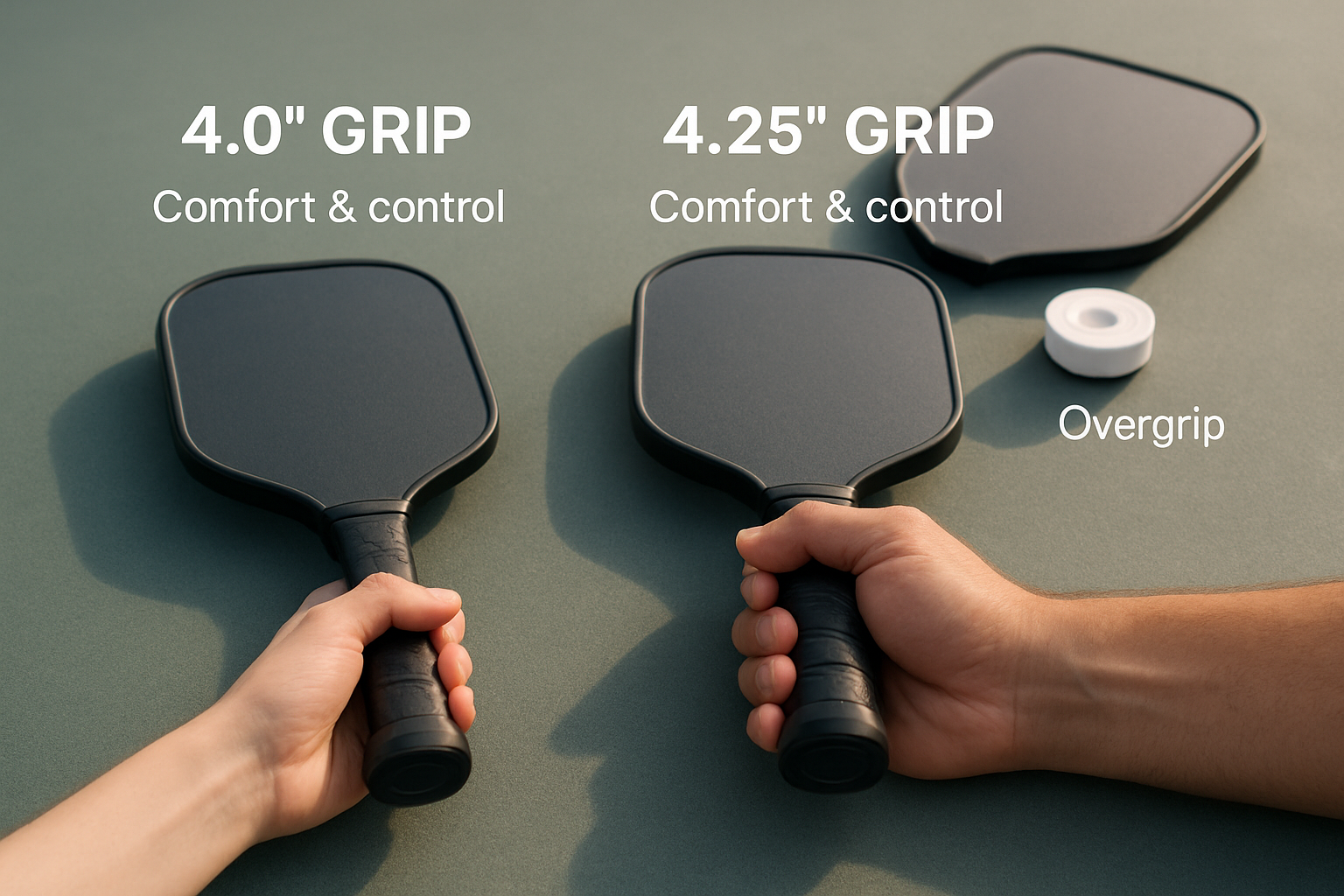
Grip size is crucial to how the paddle feels in your hand. If the grip is too big, it can cause unnecessary strain and affect your control. If it’s too small, you might find it difficult to maintain a stable grip.
For most beginners, a 4.25" grip size is standard. However, it’s important to note that if you have smaller hands, a 4.0" grip may provide better control. Additionally, grips can be adjusted using overgrips, so you have some flexibility to customize the feel.
The correct grip size helps reduce the risk of injury and provides a better connection with the paddle. When choosing a grip size, keep comfort and control in mind over aesthetics.
Understanding Paddle Cores: Polymer, Nomex, or Aluminum?
Paddle cores determine how the ball feels when you hit it. The core material affects the power, control, and sound of your shots.
Polymer cores are ideal for beginners as they offer a soft feel and a large sweet spot, which helps with control and reduces vibration. Polymer paddles are also quieter, making them ideal for public courts or areas where noise could be an issue.
Nomex cores are generally stiffer and offer more power, but they can be harsh on mishits. Aluminum cores provide good feedback and control but can dent more easily. For most beginners, polymer is the safest and most forgiving choice.
Paddle Shape: Standard or Elongated?
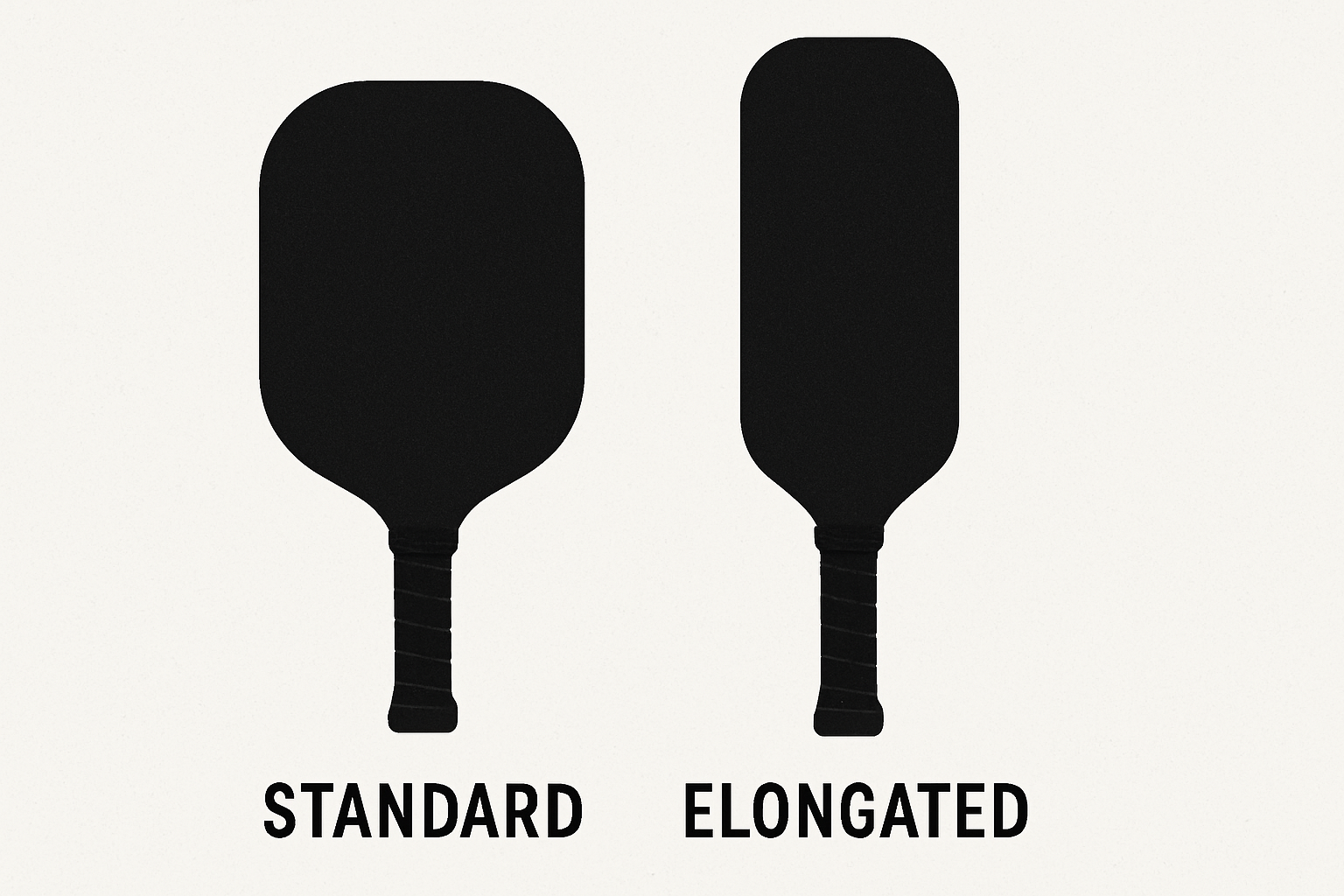
The shape of your paddle influences its sweet spot and overall maneuverability. Standard paddles, which have a wider body, offer a larger sweet spot and are more forgiving for beginners.
Elongated paddles provide more reach but a smaller sweet spot. While these paddles may seem appealing for their extra reach, they can be more challenging for new players who have yet to develop consistency.
Starting with a standard or wide-body paddle is recommended for beginners, as they provide a larger sweet spot and are easier to handle. As your game improves, you can explore different shapes based on your personal playing style.
Should You Focus on Spin Technology?
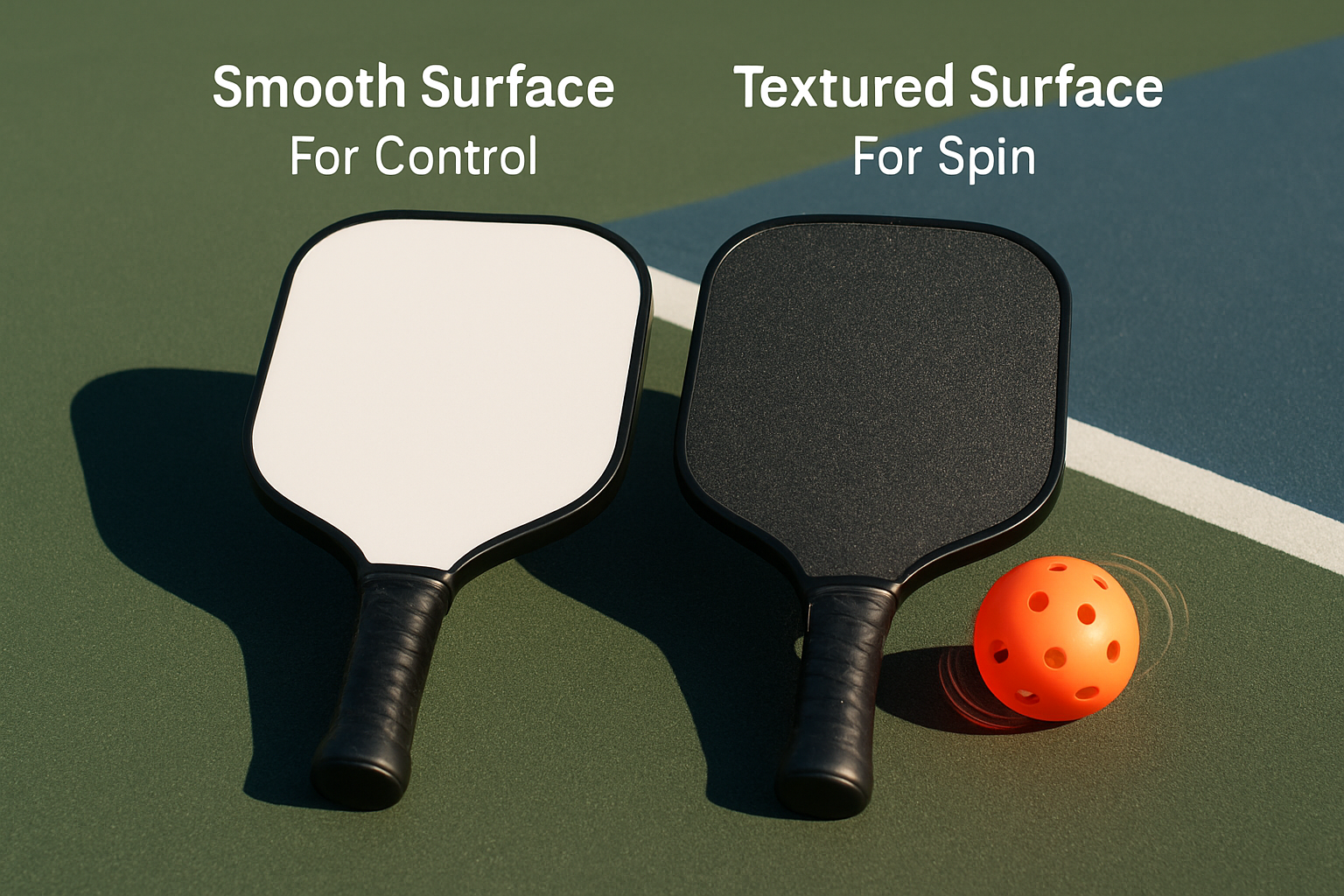
Advanced paddles often feature textured surfaces or special coatings designed to generate more spin. While these features can be beneficial for experienced players, they may not be necessary for beginners.
Beginners should focus on control and consistency rather than spin technology. While textured paddles can help generate spin, they can also make the paddle less forgiving. Starting with a paddle that offers a smooth or lightly textured surface will help you develop the fundamental skills needed for consistent play.
Once your technique is more developed, you can consider paddles designed specifically for spin.
How Much Should You Spend on Your First Paddle?
The price of pickleball paddles can range significantly, from under $50 to over $200. As a beginner, it’s best not to overspend on a high-end paddle until you’re sure about your needs and playing style.
A budget of $50 to $90 is ideal for a beginner paddle. This range typically offers good quality materials and performance without being overly expensive. High-end paddles often come with advanced technologies, which may not be necessary until you’ve mastered the basics.
Spending too little can result in a paddle that doesn’t perform well or is prone to breaking, while overspending means you might pay for features you don't yet need. For your first paddle, focus on quality and comfort, and don’t worry about high-end features.
Conclusion
When choosing a pickleball paddle as a beginner, it’s essential to focus on comfort, control, and balance. A midweight paddle with a polymer core and a standard grip will serve most new players well. Once you’ve played a while and become more familiar with your preferences, you can begin to experiment with different weights, shapes, and features to further improve your game.