
Pickleball has grown rapidly in popularity, and with that growth comes an increase in the variety of paddles available. For beginners, it may be difficult to understand why paddles vary so much in price, design, and materials. Is there really a significant difference between a low-cost and high-cost paddle?
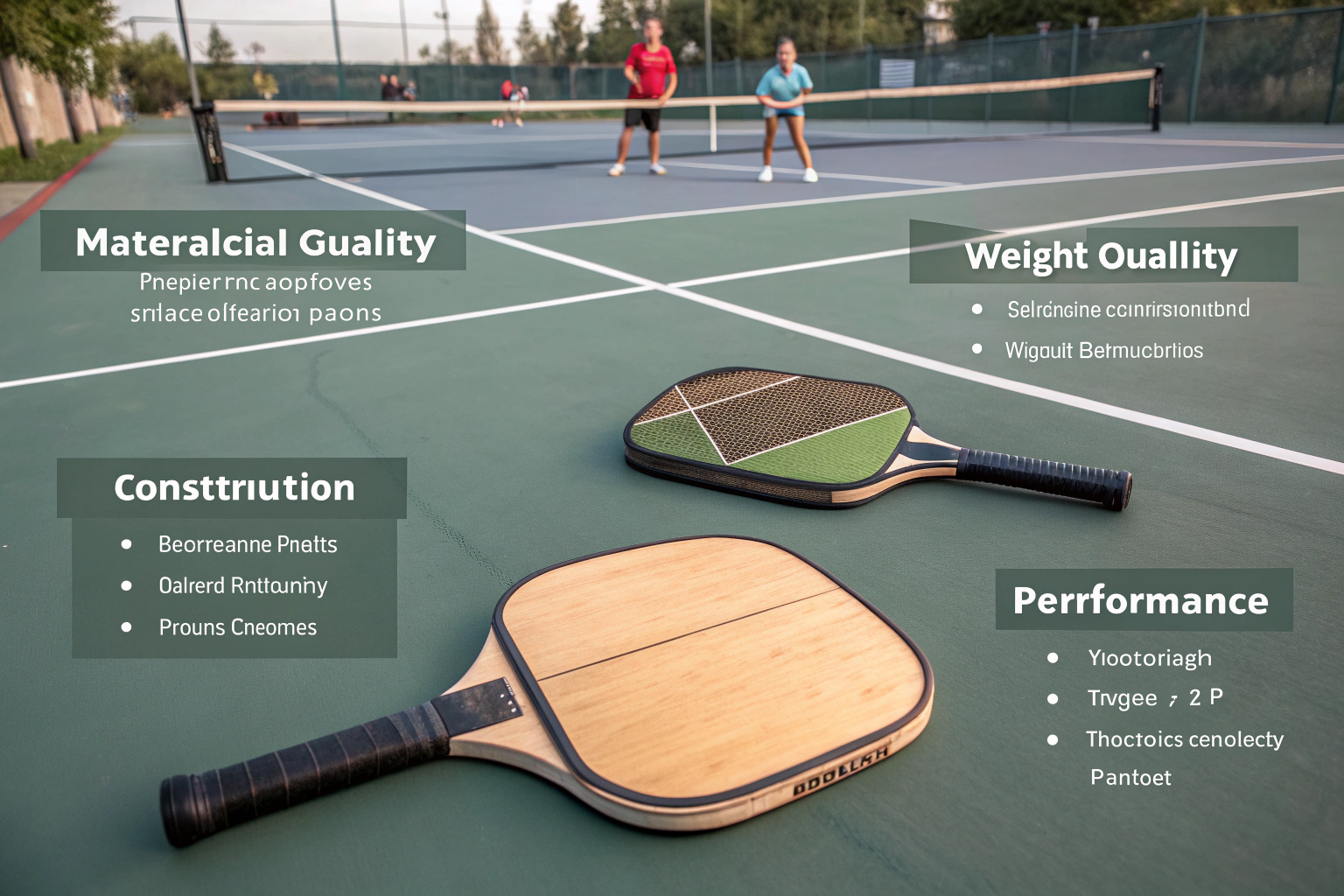
Yes, there is a significant difference in pickleball paddles. The differences lie in materials, construction quality, weight distribution, and performance characteristics, all of which affect how the paddle feels and performs on the court.
In this article, we break down the various factors that contribute to the differences in pickleball paddles, helping players understand how these elements impact their game and why some paddles cost more than others.
What are the main factors that make pickleball paddles different?
Pickleball paddles differ primarily in the materials used, weight distribution, shape, and quality of construction. These factors affect the paddle's durability, power, control, and comfort during play.
The most significant factors include:
- Material Composition: The materials used for the paddle face, core, and grip have a direct impact on its performance.
- Paddle Shape and Size: Variations in size and shape can affect the sweet spot, control, and power of the paddle.
- Weight Distribution and Balance: The balance between the handle and the head influences maneuverability and power generation.
- Construction Quality: The precision in manufacturing impacts the consistency and durability of the paddle.
Each of these elements plays a role in shaping the overall player experience, from power generation to comfort during extended play.
How do paddle materials affect performance?

One of the most significant differences between high-end and budget paddles is the materials used for the paddle’s construction. High-quality paddles typically use advanced materials that enhance performance, while cheaper paddles often use basic composites that may wear out quickly or feel less responsive.
Material choices for the paddle’s face and core directly affect power, control, durability, and feel.
Paddle Face Materials:
- Carbon Fiber: Known for its rigidity, carbon fiber paddles provide excellent control, responsiveness, and spin. These paddles are popular among advanced players.
- Fiberglass: Offers more flexibility, giving players a balance of power and control. It's often found in mid-range paddles.
- Composite Materials: Many paddles combine fiberglass, carbon fiber, and other materials to offer a mix of power and control at an affordable price.
Paddle Core Materials:
- Polymer Core: Lightweight and durable, polymer cores provide a quiet feel with good shock absorption. These are commonly used in recreational and mid-range paddles.
- Nomex Core: Harder and faster, Nomex cores deliver increased power but can be less forgiving.
- Aluminum Core: Known for its stability, aluminum provides a solid feel and is often used in paddles designed for control.
The best material for you depends on your playing style. Carbon fiber is ideal for players seeking control and spin, while fiberglass or composite cores can provide a balance of power and durability.
How does paddle weight influence performance?

The weight of the paddle significantly impacts how it feels and how it performs. Paddles typically range from 6 to 9 ounces, with lighter paddles offering better maneuverability and heavier paddles providing more power.
A good paddle weight should match the player’s playstyle and physical strength.
Lighter Paddles (6–7 ounces)
- Better Maneuverability: Lighter paddles allow for quicker reactions, making them ideal for players focused on net play and fast exchanges.
- Less Power: Lighter paddles typically offer less power but provide more control and comfort during play.
Midweight Paddles (7.5–8.5 ounces)
- Balanced Performance: These paddles strike a balance between power and control, making them a popular choice for most players.
- Comfortable for Long Sessions: Midweight paddles are comfortable to use for extended play without causing excessive fatigue.
Heavy Paddles (8.5–9 ounces)
- More Power: Heavier paddles generate more power for deep shots and aggressive play.
- Less Maneuverability: Heavy paddles can be harder to control in fast exchanges, making them more suitable for players who prefer hitting harder shots from the baseline.
For most players, a midweight paddle provides the best combination of power and control, but your preference may depend on whether you prioritize speed or power.
How does paddle shape and balance affect performance?
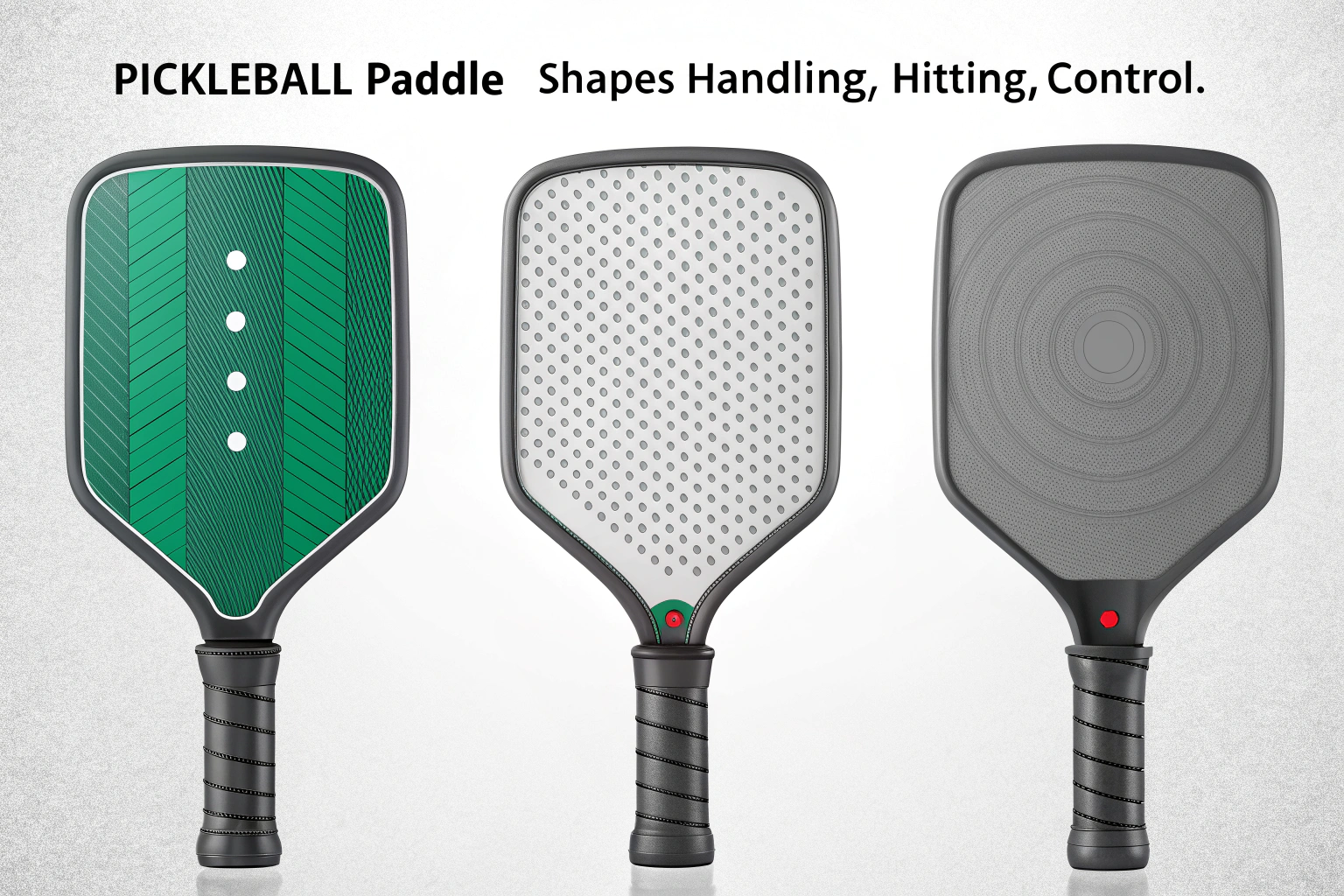
The shape of a pickleball paddle impacts its sweet spot, maneuverability, and overall performance. There are several different shapes, including teardrop, widebody, and classic round, each providing different advantages.
Paddle shape and balance influence how the paddle handles, how it hits the ball, and how easy it is to control.
Paddle Shapes:
- Teardrop Shape: Provides a larger sweet spot, offering more forgiveness on off-center hits. This shape is ideal for players who prefer extra power.
- Widebody Shape: Offers a wider face, combining power and control, and is popular among recreational and intermediate players.
- Round Shape: Known for its control and maneuverability, round paddles provide more precision but less power. These are favored by advanced players focusing on shot placement.
Balance:
- Head-Heavy Paddles: More weight toward the top of the paddle increases power but reduces maneuverability.
- Even Balance: Offers a balanced feel, making the paddle versatile for both power and control.
- Handle-Heavy Paddles: Provides better control, making them ideal for net play and precision shots.
Understanding your playing style will help determine whether a head-heavy, evenly balanced, or handle-heavy paddle works best for you.
How does the construction quality impact durability?
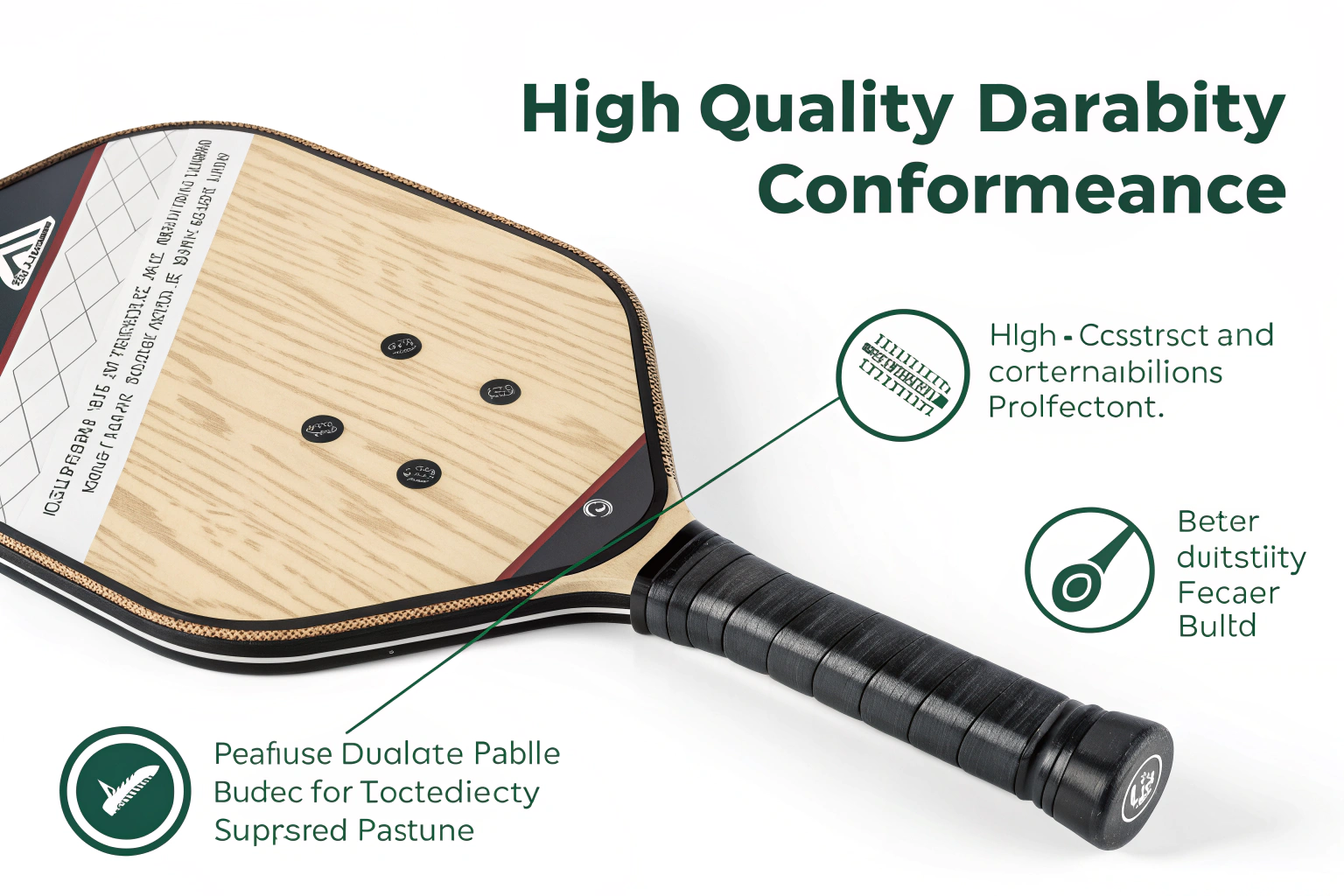
The overall construction of the paddle, including the precision of the materials used and the manufacturing process, greatly affects its durability and consistency. High-quality paddles are made with superior construction methods, such as precision molding, which ensures uniformity and long-lasting performance.
Better construction quality results in greater durability and consistency in performance.
High-end paddles use advanced technology and quality control methods to ensure that they stay true to their specifications and withstand prolonged use. Budget paddles, on the other hand, may have inconsistencies and wear out faster.
Conclusion
Yes, there is a significant difference in pickleball paddles. Factors such as material composition, weight, balance, paddle shape, and construction quality all influence performance and player comfort. The right paddle for you depends on your playing style, preferences, and skill level.
For manufacturers and brands, understanding these differences allows for the creation of paddles that meet the varied needs of players, from recreational enthusiasts to competitive athletes. Offering a range of high-quality paddles ensures your products stand out in a growing market.
📩 For custom paddle manufacturing, design consultations, or material sourcing, contact the Youth Padel team at hu@miao-ke.com or via WhatsApp at +86-13023656973. We offer full-service solutions to create paddles that meet player expectations and market standards.