Many product decisions fail at the sourcing stage because racket quality is judged only by appearance, weight, or price, while internal engineering factors are ignored.
A high-quality padel racket is defined by carbon fiber structure, frame stability, EVA foam density, balance precision, and long-term durability consistency produced under controlled factory systems.
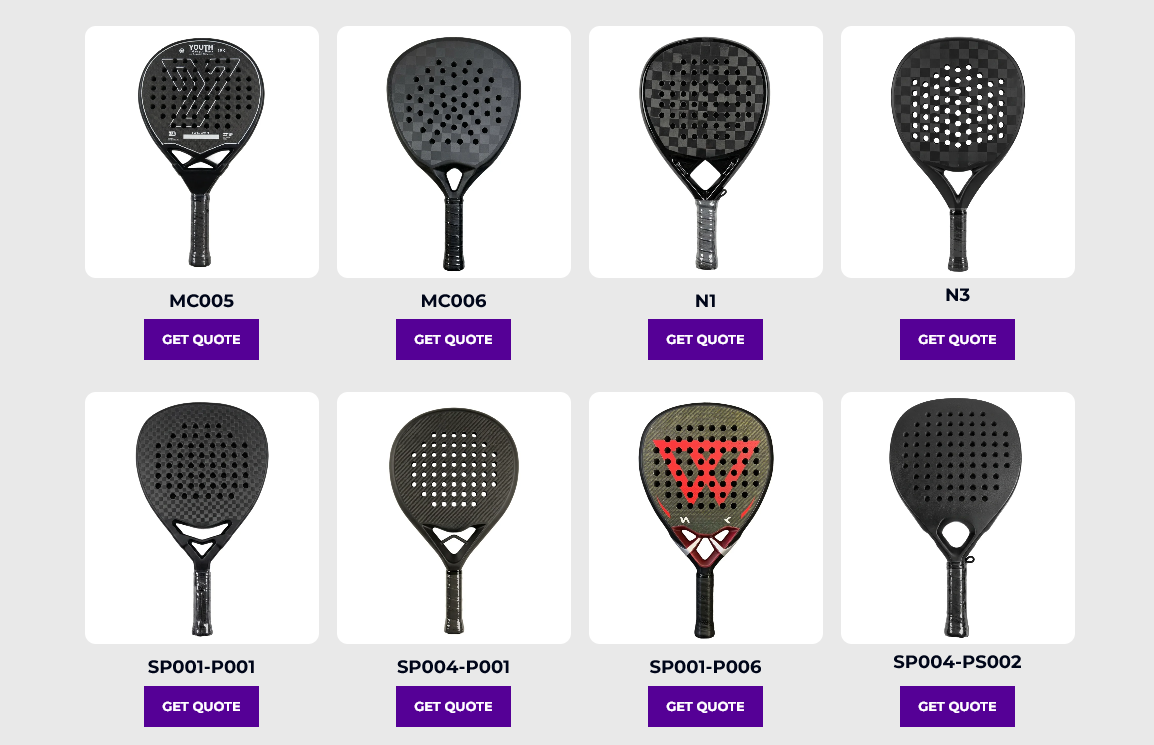
A closer look at professional-grade production can be seen in the full range of padelico padel racket models, where structure and performance differences are clearly reflected in design engineering.
Understanding how a racket is built inside a real manufacturing environment is the key to identifying true quality.
What Actually Defines a High-Quality Padel Racket?
A high-quality padel racket is not determined by visual design or surface finishing. The real value lies in internal structure engineering and performance stability during repeated play.
Carbon fiber layout is one of the most important elements. Fiber direction, layering density, and resin ratio directly influence stiffness, rebound speed, and durability. A poorly structured frame may feel powerful at first but quickly loses stability after repeated impact.
Balance point is another key factor. Even a few millimeters of deviation changes swing speed and control accuracy. Professional-level rackets require strict control of weight distribution across the frame.
EVA foam density also plays a critical role. Soft foam improves control and comfort, while harder foam increases power output. The final selection depends on target player level and market positioning.
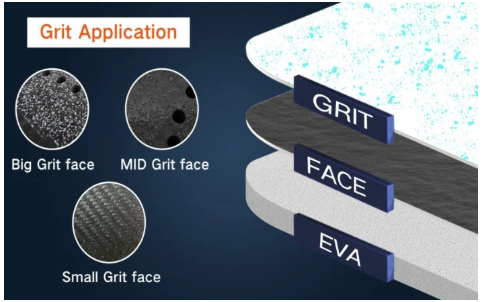
Surface coating is often underestimated. High-quality coating protects against abrasion, humidity, and long-term wear. Inconsistent coating leads to early surface damage and reduced product lifespan.
All these elements must be controlled through systematic engineering rather than random assembly.
Complete OEM/ODM Manufacturing Process of a Padel Racket
Padel racket production is a multi-stage engineering process requiring precise control at every step.
The process begins with mold development. Mold design defines frame shape, sweet spot position, and structural geometry. 3D simulation is used to predict performance before physical production starts.
Carbon fiber cutting and layering follow. Sheets are placed in specific orientations to control stiffness and vibration response. This step determines the core performance of the racket.
Curing is then performed under controlled temperature and pressure. This ensures full bonding of materials and eliminates internal air gaps that may weaken the structure.
After curing, drilling is applied to create hole patterns. Hole distribution affects airflow, swing resistance, and vibration control. Small variations in layout can significantly change playing feel.
Surface sanding and coating come next. These steps improve both durability and branding quality. Final inspection includes impact testing, fatigue simulation, and surface resistance evaluation.
The complete system ensures stable output for large-scale production without quality variation between batches.
More structured manufacturing details can be explored through padelico production solutions, which illustrate how integrated engineering supports consistent product quality.
Key Steps in Custom Padel Racket Development
Custom racket development follows a structured engineering workflow rather than simple design requests.
The process starts with requirement conversion. Market needs such as “power-focused” or “control-focused” are translated into measurable technical parameters including stiffness index, weight range, and balance position.
Next comes structural design using 3D modeling. Frame geometry, material layering, and internal reinforcement points are defined based on performance goals and target user groups.
Prototype production follows. Early samples are created for physical testing. Performance is evaluated under real hitting conditions, including vibration response, rebound consistency, and durability under stress cycles.
Adjustments are made based on testing results. Even small modifications in carbon layout or foam density can significantly improve final performance.
Final approval is only granted after multiple rounds of testing confirm stability and consistency. This structured process reduces risk in mass production and ensures alignment with market expectations.
OEM vs ODM in the Padel Racket Industry
OEM and ODM represent two different development models within racket manufacturing systems.
OEM refers to production based strictly on provided technical drawings. Every detail, from materials to structure, follows predefined specifications. This model is typically used by established brands with internal engineering teams.
ODM refers to factory-driven development. The factory provides design, structural optimization, and material selection based on market demand and performance requirements. This model is widely used when faster development and technical support are needed.
ODM allows faster product creation cycles because design and production are integrated within the same system. OEM provides higher control but requires stronger technical preparation from the brand side.
Many product lines combine both models depending on market positioning and product stage.
Common Mistakes When Evaluating Padel Racket Quality
One of the most common mistakes is focusing only on price. Low-cost products often use inconsistent carbon fiber or unstable foam density, leading to unpredictable performance.
Another mistake is relying solely on appearance. A visually perfect racket may still fail under repeated stress if internal structure is weak.
Skipping prototype testing is also a frequent issue. Without sample evaluation, mass production risks are significantly higher.
Inconsistent communication between design intent and production execution is another hidden problem. Misalignment often leads to performance gaps between expected and actual results.
Proper evaluation must always include structural testing, material verification, and real-play simulation.
Why Direct Factory Cooperation Improves Product Stability
Direct cooperation with a manufacturing system improves consistency, reduces communication loss, and enhances technical control.
When design, R&D, and production are integrated into one system, every modification can be implemented quickly without delays from multiple intermediaries. This significantly improves development efficiency.
Material sourcing is also more stable under factory-level control. Carbon fiber grade, resin composition, and EVA foam density can be standardized across production batches.
Factories with integrated systems also provide better scalability. When demand increases, production capacity can be expanded without changing quality standards.
Access to engineering teams allows faster problem-solving during development. Structural issues, performance adjustments, and durability improvements can be addressed in real time.
Quality Testing and Performance Control System
Quality control is not a single step but a continuous system throughout production.
Testing includes impact resistance, fatigue durability, vibration absorption, and surface abrasion resistance. Each racket batch must pass standardized testing before shipment.
Fatigue testing simulates long-term usage conditions by applying repeated stress cycles. This ensures that performance remains stable even after extended use.
Material inspection is conducted before production begins. Carbon fiber sheets and EVA foam blocks are tested for density consistency and structural reliability.
Final inspection ensures that weight, balance, and structural integrity meet design requirements. Only products passing all stages are approved for release.
Conclusion
A high-quality padel racket is the result of controlled engineering, material precision, and systematic factory production rather than surface appearance or brand labeling.
Understanding OEM and ODM structures, along with proper evaluation methods, helps ensure stable product performance and long-term market competitiveness.
Professional manufacturing systems such as those behind the padelico platform and its padel racket series demonstrate how integrated design and production create consistent, high-performance products for global markets.
For cooperation inquiries and product development requirements, direct communication channels are available through the official platform.