
Choosing the right tennis string is crucial to improving your performance and comfort on the court. Durability and feel are two key factors to consider when selecting your strings, but how do you balance these features?
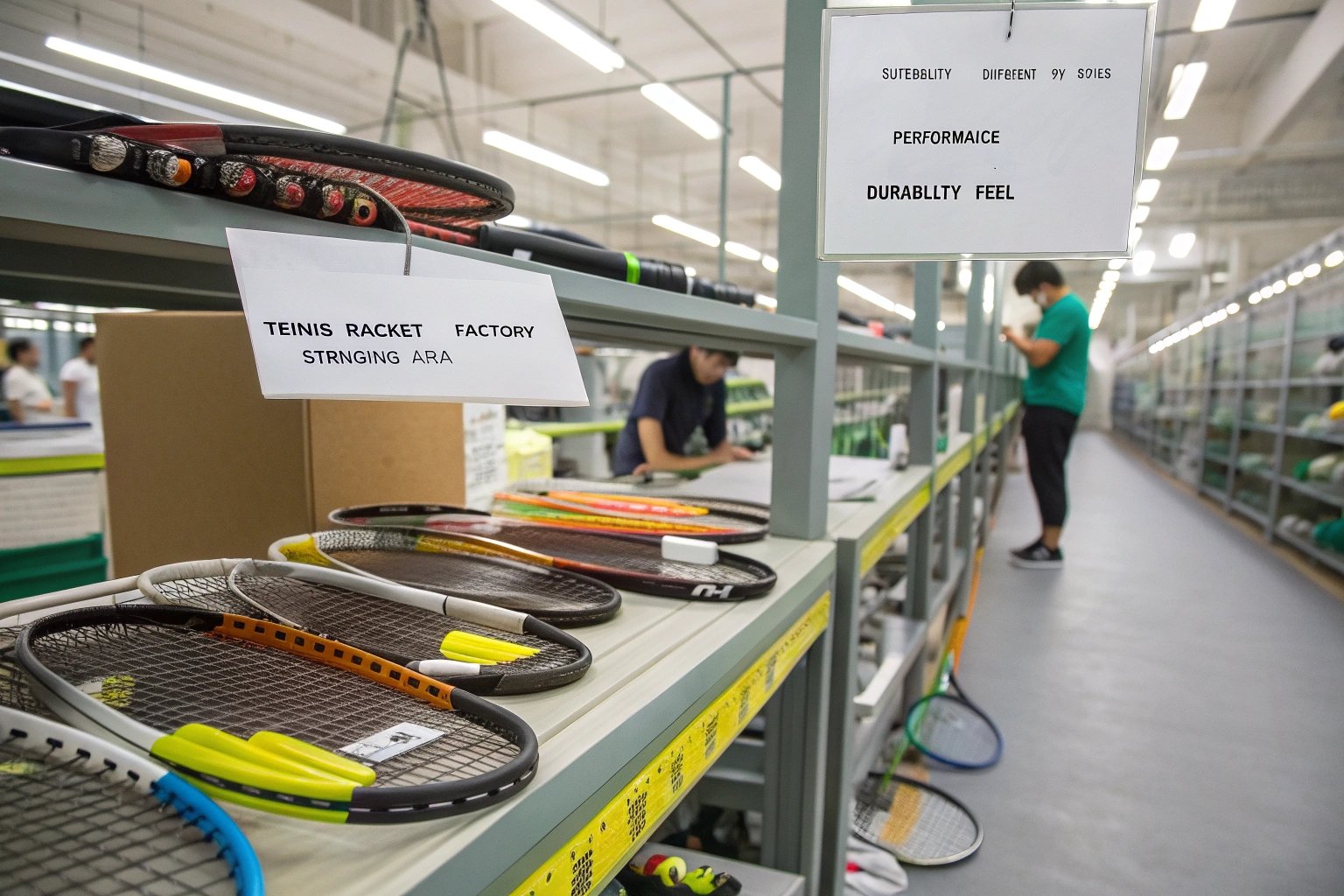
The right combination of durability and feel in your tennis string can enhance your game. Stronger strings last longer, while softer ones provide better comfort and control. Let’s break it down.
When it comes to selecting tennis strings, two of the most important considerations are durability and feel. Durability ensures your strings last longer, saving you money, while feel is what affects the control, comfort, and power you get from your shots. Finding the right balance depends on your playing style, skill level, and the types of shots you prefer. Here's a guide to help you choose the perfect string based on durability and feel.
Durability vs. Feel: What’s the Difference?
The durability of a tennis string refers to how long the string lasts before it breaks or loses tension. Feel, on the other hand, is the sensation you get when hitting the ball—the level of comfort, power, and control you experience.
Durability focuses on how long the string stays intact, while feel refers to how responsive the string is during play.
- Durable Strings: These strings are designed to last longer and resist wear. They are ideal for players who hit frequently, especially with heavy topspin or power shots. However, durable strings may lack the level of comfort or touch that some players need.
- Strings with Great Feel: These strings provide more control and comfort, allowing players to generate better spin and feel the ball more accurately. However, they often wear out faster, requiring more frequent replacement.
Choosing between durability and feel is a matter of personal preference. If you’re a recreational player who doesn’t mind restringing your racket often, you may prioritize feel. But if you’re playing more frequently or aggressively, you might need strings that focus on durability.
Types of Tennis Strings Based on Durability
Tennis strings come in different materials, each offering varying levels of durability. The most common materials used for tennis strings are synthetic gut, polyester, natural gut, and multifilament.
Choosing the right material for your string can drastically affect both its durability and feel.
- Polyester Strings: Known for their excellent durability, polyester strings are popular among aggressive players who generate a lot of spin. They hold tension well but may feel stiff and harsh on the arm. They are ideal for players looking for long-lasting strings but are not recommended for those seeking maximum comfort.
- Synthetic Gut: Synthetic gut strings are a more affordable option that balances durability and feel. They last longer than natural gut and offer a softer feel compared to polyester. These strings are a great option for intermediate players who need durability without sacrificing too much comfort.
- Natural Gut: Natural gut strings are known for their superior feel, providing excellent comfort and control. However, they are less durable compared to synthetic options, and they can be more expensive. They are ideal for players who prioritize feel over durability but are willing to restring more frequently.
- Multifilament Strings: Multifilament strings are made from hundreds of individual fibers and offer a comfortable, soft feel similar to natural gut. These strings provide excellent power and control but are less durable and may need to be replaced more often.
How to Balance Durability and Feel for Your Playing Style
Finding the right balance between durability and feel is essential, and it often depends on your playing style.
Consider your playing frequency, technique, and the amount of spin you generate when choosing the right balance.
[image placeholder]
- Aggressive Players (Heavy Spin/Power): If you hit with a lot of spin or power, polyester strings are a great option. They are highly durable and can withstand the stresses of heavy hitting. However, you may experience discomfort over time, so consider hybrid strings that combine polyester with natural gut or synthetic gut for better feel.
- All-Court Players: If you play a more balanced game, you may want a combination of durability and feel. Synthetic gut or multifilament strings offer a good middle ground, providing a balance between longevity and comfort.
- Defensive or Control-Oriented Players: If your game focuses on control and touch, natural gut or multifilament strings are ideal. They offer excellent feel and comfort, though they may not last as long as polyester strings.
How to Adjust String Tension for Durability and Feel
String tension plays a significant role in both durability and feel. Higher tension provides better control and precision, while lower tension gives more power and comfort. Adjusting the tension based on your needs can help you get the most out of your strings.
Higher tension increases control but may reduce durability, while lower tension offers more comfort and power.
- High Tension (55-60 lbs): Higher tension is better for players who want maximum control. It provides a more direct response when hitting the ball but can cause more stress on the strings, leading to quicker wear.
- Medium Tension (50-55 lbs): A medium tension offers a balance between power and control. It provides good durability while still allowing for decent comfort and feel. This is a popular choice for many players.
- Low Tension (40-50 lbs): Lower tension offers more comfort and power, but it can decrease control and reduce string durability. Players who prioritize comfort and are less concerned with control might opt for lower tension.
By adjusting the string tension to match your playing style, you can improve both the durability and feel of your strings.
How Often Should You Change Your Tennis Strings?
The frequency with which you should replace your tennis strings depends on the durability of the material and how often you play. Players who hit with more power or topspin may need to replace their strings more often.
Generally, players should restring their racket every 30-40 hours of play, but this can vary based on your string material and playing style.
[image placeholder]
- Polyester Strings: These last longer and may need to be replaced every 6-12 months for regular players.
- Natural Gut and Multifilament Strings: These strings need replacing more frequently, typically every 1-3 months for active players, due to their reduced durability.
Conclusion
Choosing the right tennis string comes down to your preferences for durability and feel. Polyester strings are durable but can be harsh on the arm, while natural gut offers superior feel but lacks durability. By balancing string type, tension, and your playing style, you can find the perfect string for your game.