
The frame of a badminton racket is one of the most important aspects that influences its performance. From power generation to control, the materials, stiffness, and balance of the frame play a huge role in how well you play on the court.
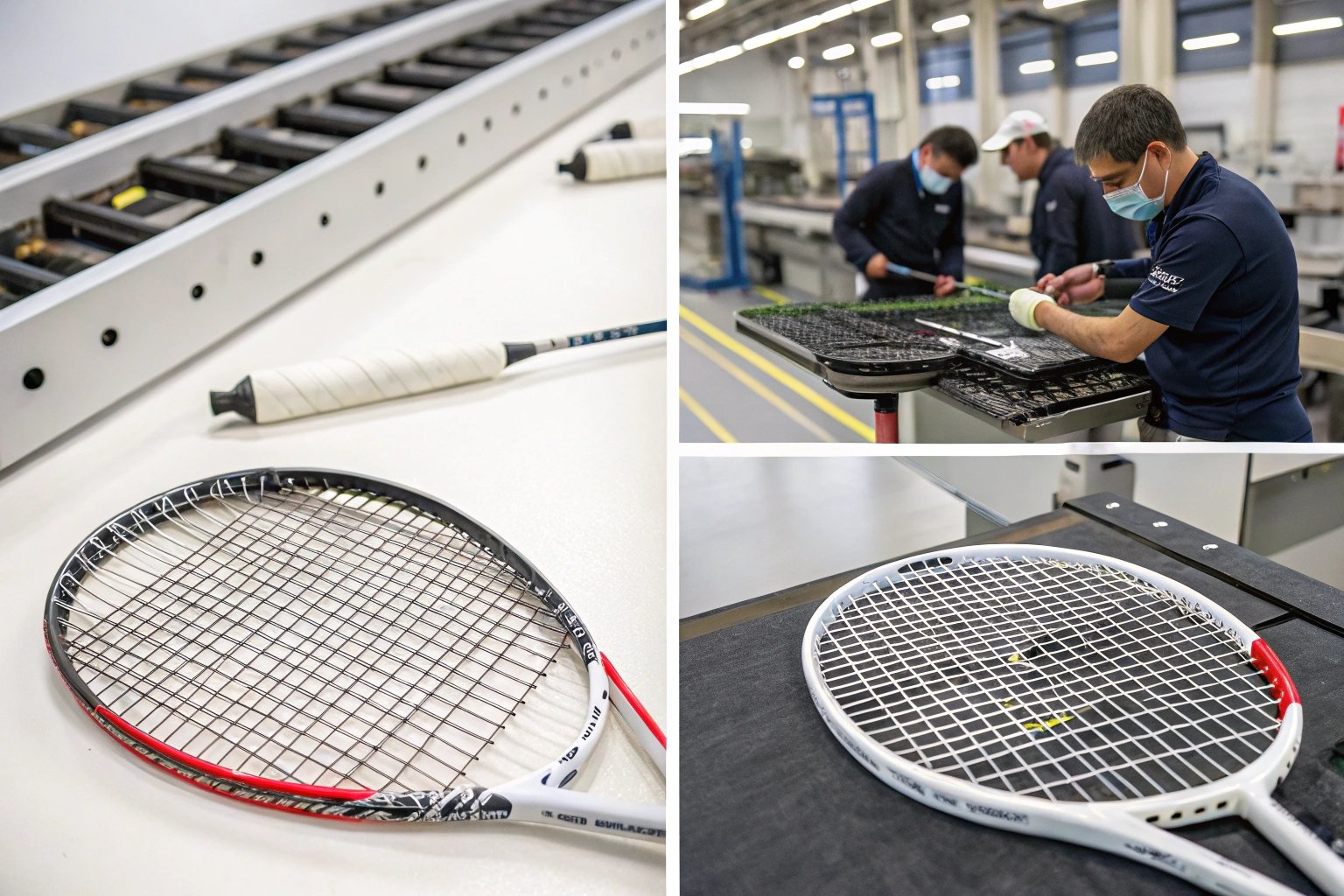
Different frame technologies affect aspects like power, control, and stability. Here’s how each element contributes to the overall performance of your badminton racket.
How Does Frame Material Affect Performance?
The material used for the frame of the racket has a direct impact on its strength, weight, and flexibility. The choice of material determines how well the racket can handle high-speed shots and provide control.
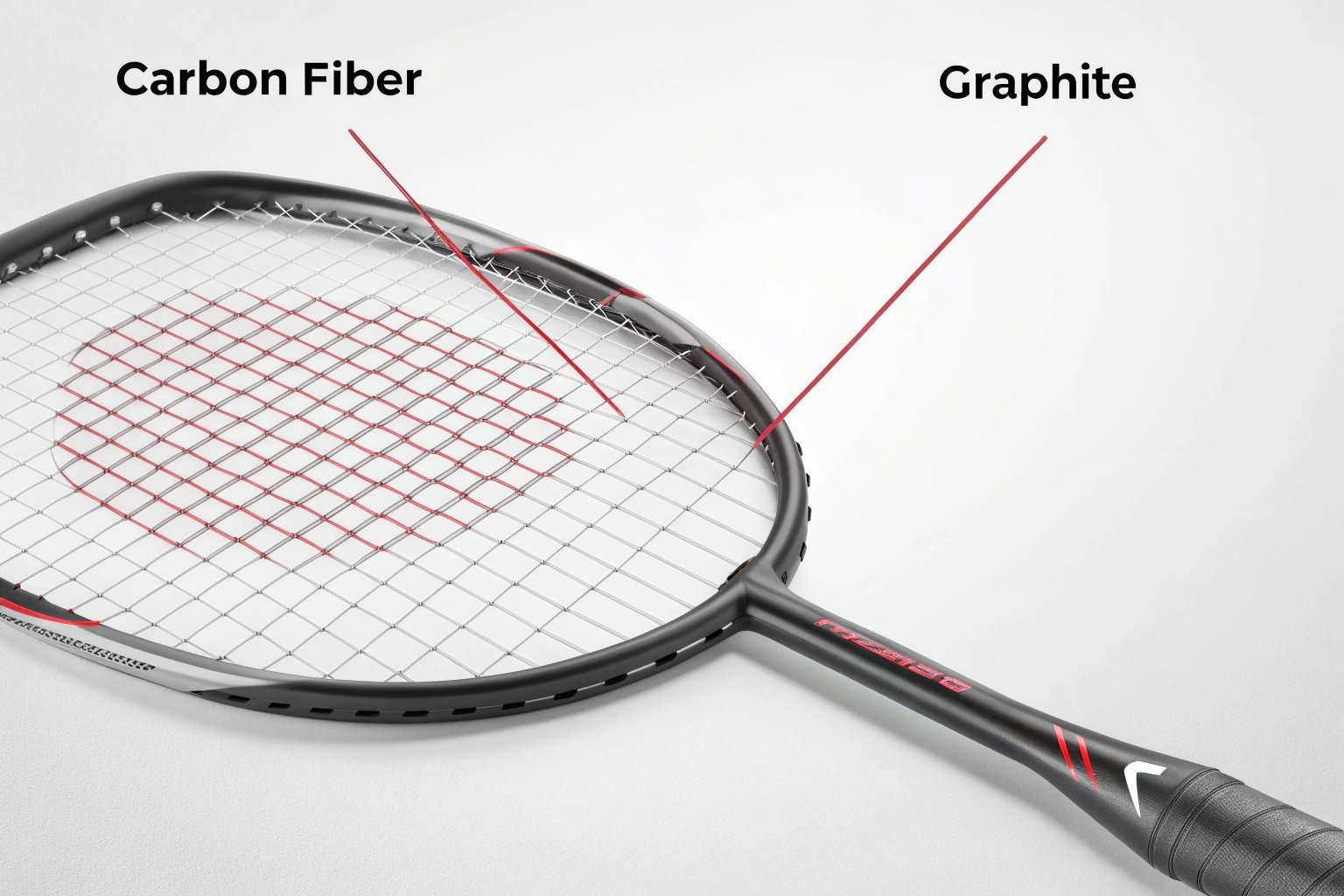
Materials like carbon fiber and graphite are common in high-performance rackets due to their balance of strength and lightness.
- Carbon Fiber: Known for being light and strong, carbon fiber offers a fast swing speed and excellent power generation. It helps with quick reactions and stability.
- Graphite: Slightly more flexible than carbon fiber, graphite is preferred by players looking for more control and a smoother feel.
- Aluminum: Heavier and less flexible, aluminum is commonly used in recreational or beginner rackets, offering durability at a lower cost.
How Does Frame Stiffness Impact Play?
Frame stiffness is crucial for determining the racket’s power and control. A stiffer frame usually offers more power, while a more flexible frame offers better control and comfort.

Stiff frames provide more power but less control, while flexible frames are better for precision and control.
A stiff frame transfers more of your swing’s energy to the shuttlecock, making it great for aggressive, power-driven shots like smashes. However, flexible frames absorb some of the energy, providing better control and allowing players to execute more delicate shots like drop shots and precise net plays.
How Does Frame Shape Influence Performance?
The shape of the racket head affects the sweet spot size and overall performance. It determines how forgiving the racket is and how much power you can generate.
An isometric shape increases the sweet spot, while oval shapes provide better precision.
An isometric shape gives a larger sweet spot, which can help you make more consistent shots even if you don’t hit the shuttlecock perfectly. In contrast, an oval shape typically offers better precision, making it a good choice for advanced players who want to hit more controlled and accurate shots.
How Does Frame Weight Affect Handling?
The weight of the racket affects its maneuverability, balance, and the power you can generate. Heavier frames offer stability, while lighter frames allow faster swings.
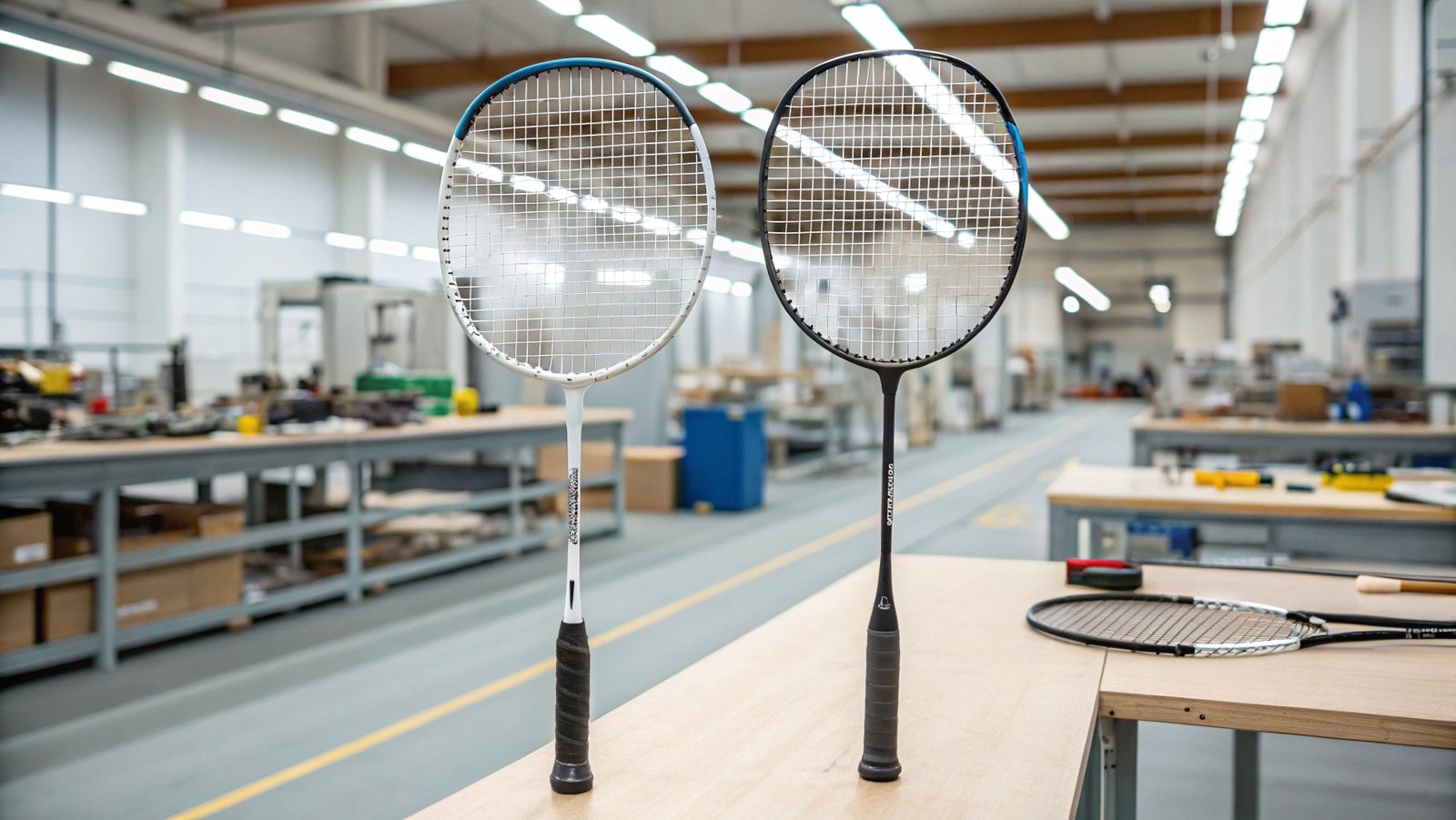
Lighter rackets allow quicker swings, while heavier ones offer more power and stability.
A lightweight racket is ideal for quick movements and defensive play, while a heavier racket allows for more control and power, making it better for players who focus on aggressive shots. Most intermediate players opt for a medium-weight racket that offers a good balance between speed and power.
How Does Frame Balance Affect Control and Power?
Frame balance refers to where the weight is distributed in the racket. This influences how the racket feels during play, affecting both power and control.
Head-heavy rackets offer more power, while head-light rackets provide better control and speed.
A head-heavy racket shifts more weight towards the top of the racket, giving more power, particularly for smashes. Head-light rackets, however, have more weight in the handle, which makes them easier to maneuver and provides greater control, particularly for net play or defensive shots.
How Does Durability of the Frame Affect Long-Term Performance?
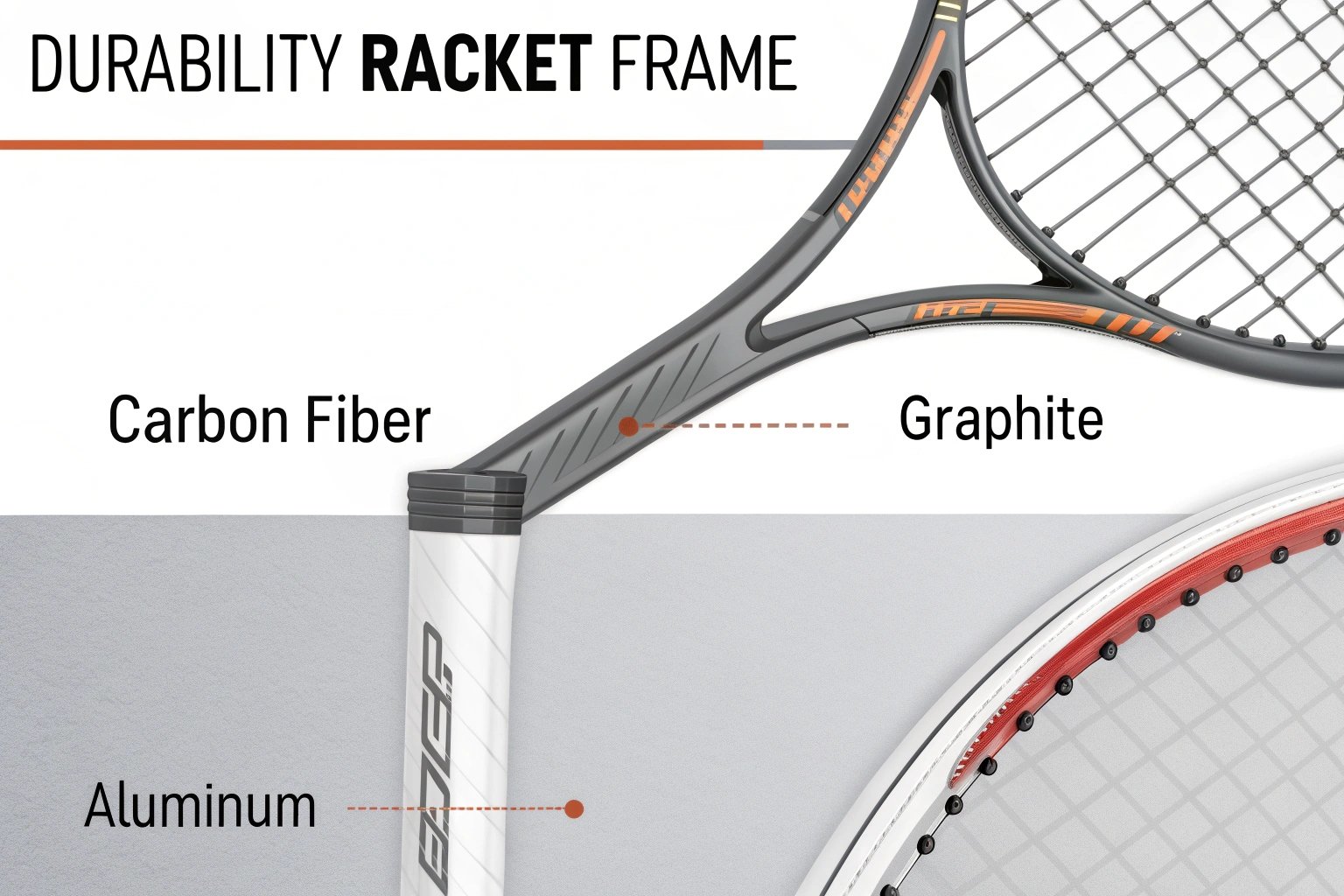
The durability of the racket frame ensures that it maintains its performance and integrity over time, even with heavy usage.
Durable frames are essential for players who need reliable, long-lasting performance.
Rackets made from carbon fiber and graphite are generally more durable and resistant to damage, making them ideal for competitive players who need reliable performance over time. Aluminum frames, while durable in terms of wear and tear, may dent or bend more easily, which can affect long-term performance.
Conclusion
Frame technology is a critical factor in badminton racket performance. From material choice to stiffness, shape, weight, and balance, each element affects how the racket handles and performs. Understanding these features will help you select a racket that enhances your game, whether you're focused on power, control, or a balance of both.