
Choosing the wrong racket can make padel frustrating, painful, and expensive. Selecting the right one means faster progress and fewer mistakes on court.
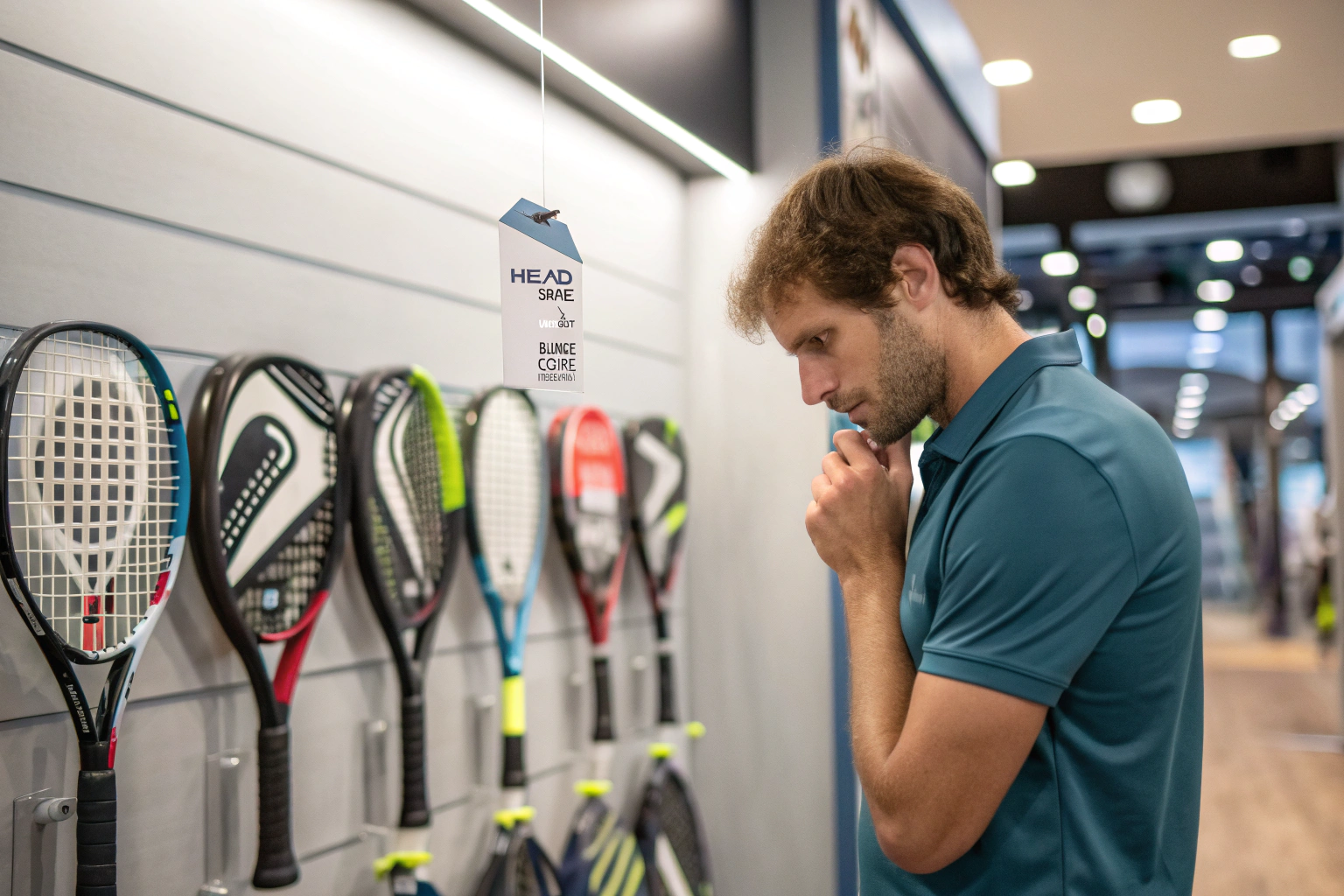
To choose the right padel racket, consider your skill level, playing style, and physical strength. Focus on head shape, weight, balance, and core material.
With hundreds of options and conflicting advice online, it's easy to get confused. But the truth is, selecting the right racket follows a simple set of technical rules. When these match a player's level and playing goals, performance improves immediately.
What are the main types of padel rackets?
Most people don't realize that the shape of the racket completely changes how it plays. The wrong shape can hold back development and increase the risk of injury.
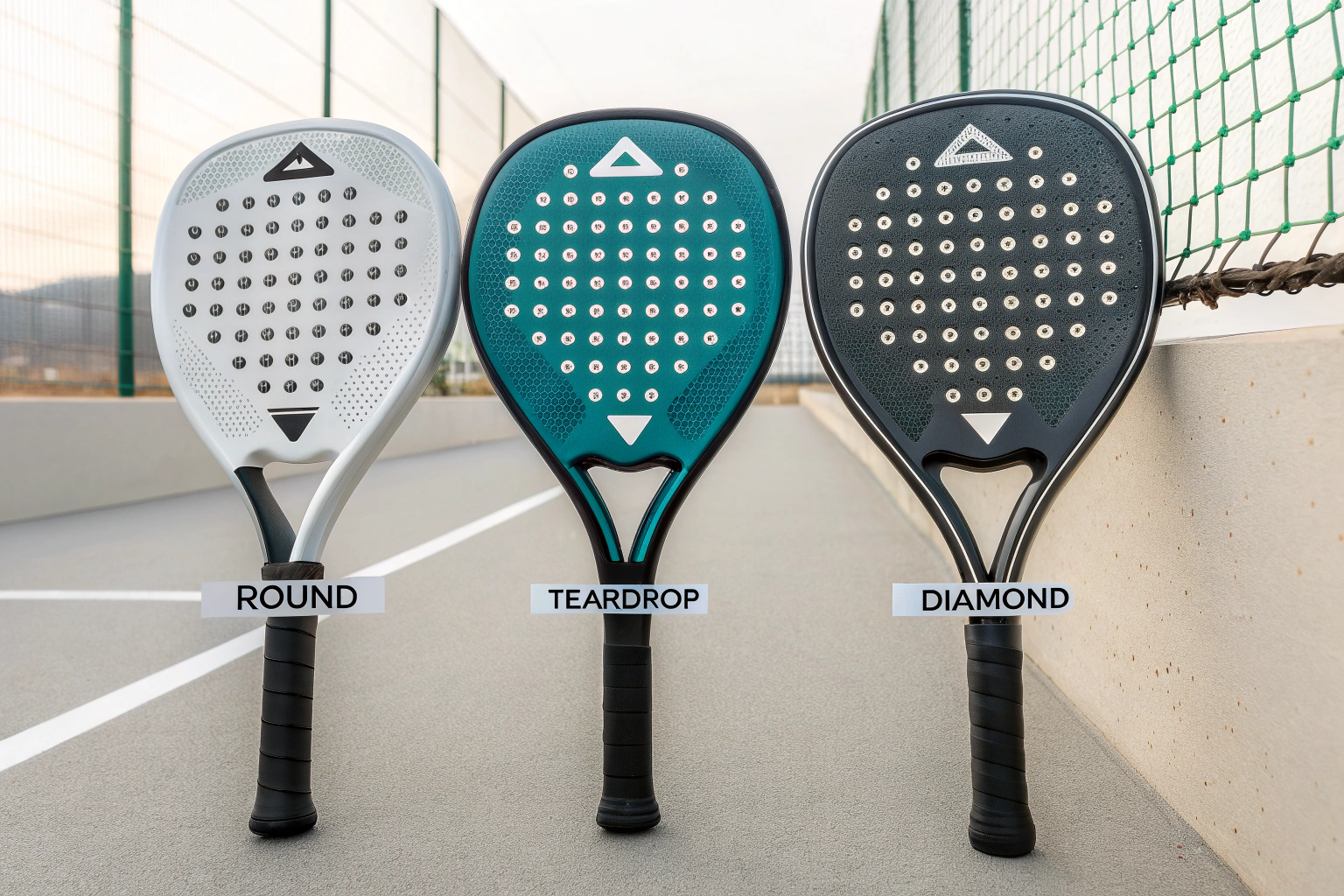
There are three main racket shapes—round, teardrop, and diamond—each designed for a different level and playing style.
Understanding head shapes and their function
Racket shape affects balance, control, and sweet spot size. Round rackets are ideal for beginners, offering better control and a wider sweet spot. Teardrop rackets balance control with power, suitable for intermediates. Diamond-shaped rackets focus on power and suit advanced players. From a manufacturing perspective, each shape uses different molds and balance configurations.
| Shape | Sweet Spot | Power | Control | Suitable For |
|---|---|---|---|---|
| Round | Large | Low | High | Beginners |
| Teardrop | Medium | Balanced | Balanced | Intermediates |
| Diamond | Small | High | Low | Advanced players |
Choosing the right shape sets the foundation for effective training and long-term improvement.
How does your playing style influence the racket choice?
Each player has unique preferences. Some rely on control, others on powerful smashes. Racket selection must reflect how the player performs on court.
Defensive players benefit from round rackets with soft cores, while aggressive players prefer diamond-shaped rackets with stiff cores and higher balance.

Matching racket specs with your style
Manufacturers design rackets to suit various court strategies. Control-based rackets use softer EVA cores and lower balance to improve precision. Power-based rackets have stiffer materials and higher balance for harder hits. Hybrid players need a middle ground with teardrop shapes and medium EVA cores. For B2B buyers, offering these options covers a wide range of player demands.
| Playing Style | Core Type | Balance | Ideal Shape | Recommended Surface |
|---|---|---|---|---|
| Control | Soft EVA | Low | Round | Smooth |
| Power | Hard EVA | High | Diamond | Textured/Sandblasted |
| Balanced | Medium EVA | Medium | Teardrop | Light Texture |
Correct alignment between racket specs and playing style results in better shot consistency and player comfort.
What technical features matter most when buying?
Many rackets look similar, but key performance differences come from technical design—especially materials, core density, and frame thickness.
Weight, core material, surface texture, and frame composition are the most important technical factors when choosing a padel racket.
Breaking down the main specifications
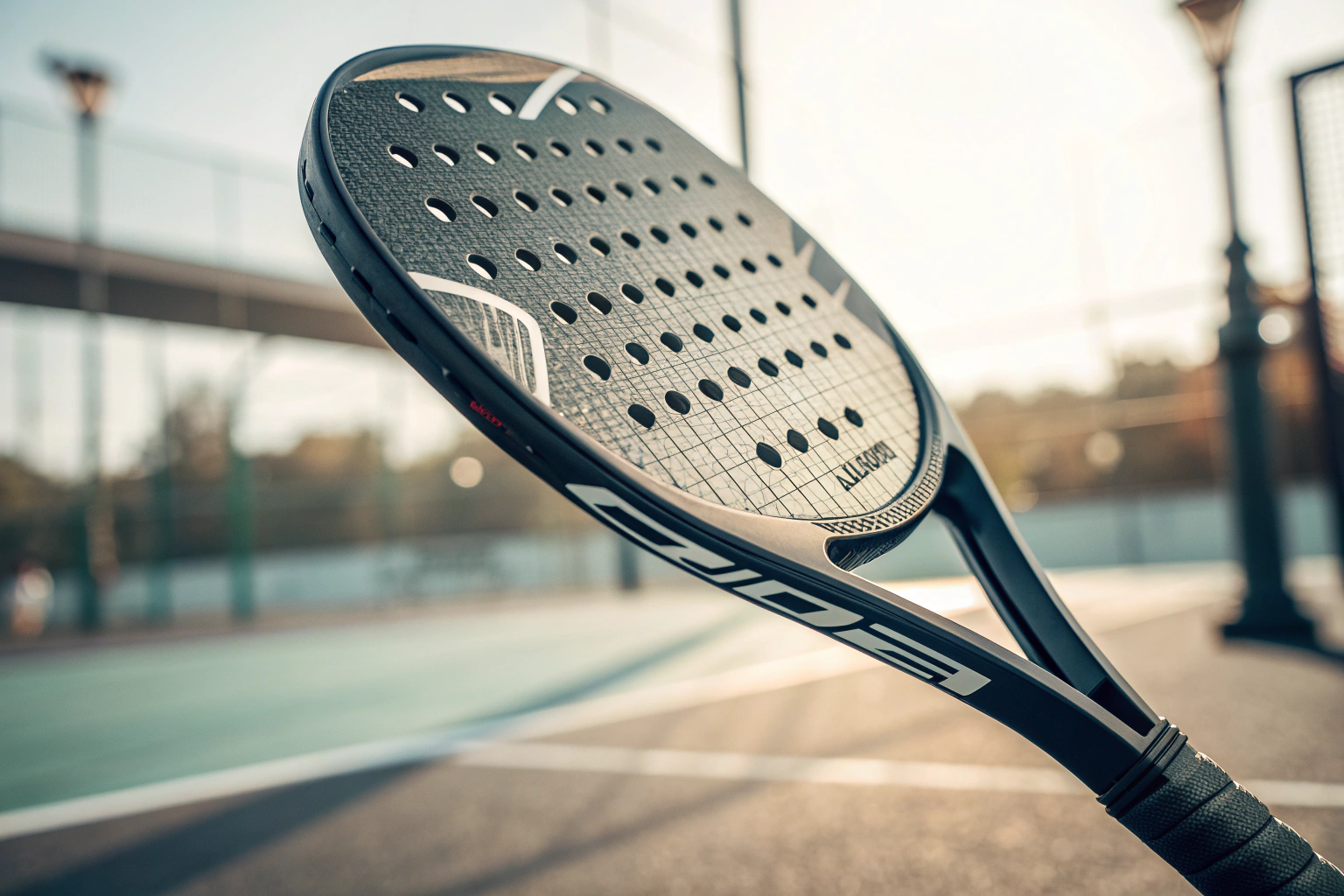
A well-designed beginner racket weighs between 340–360g with a soft EVA core. More advanced rackets may go up to 390g with hard cores and carbon surfaces for better energy return. From a factory perspective, fiberglass is commonly used for flexible rackets, while carbon is used for more rigid, high-speed responses.
| Feature | Options | Function |
|---|---|---|
| Core Material | Soft, Medium, Hard EVA | Affects rebound, comfort, and control |
| Weight | 340–390g | Impacts swing speed and fatigue |
| Frame Material | Fiberglass, Carbon | Flexibility and vibration absorption |
| Surface | Smooth, Rough | Adds spin or control based on texture |
| Thickness | 36mm, 38mm | Influences power and durability |
Each material and dimension choice impacts racket response and user experience, especially for club owners and brand buyers selecting stock models.
Should beginners buy power or control rackets?
Some new players assume more power means better performance. But this is often the wrong approach and leads to injury or bad habits.
Beginners should focus on control-based rackets to learn positioning and technique. Power rackets are more suitable after basic skills are developed.
Why control rackets work best for entry-level players
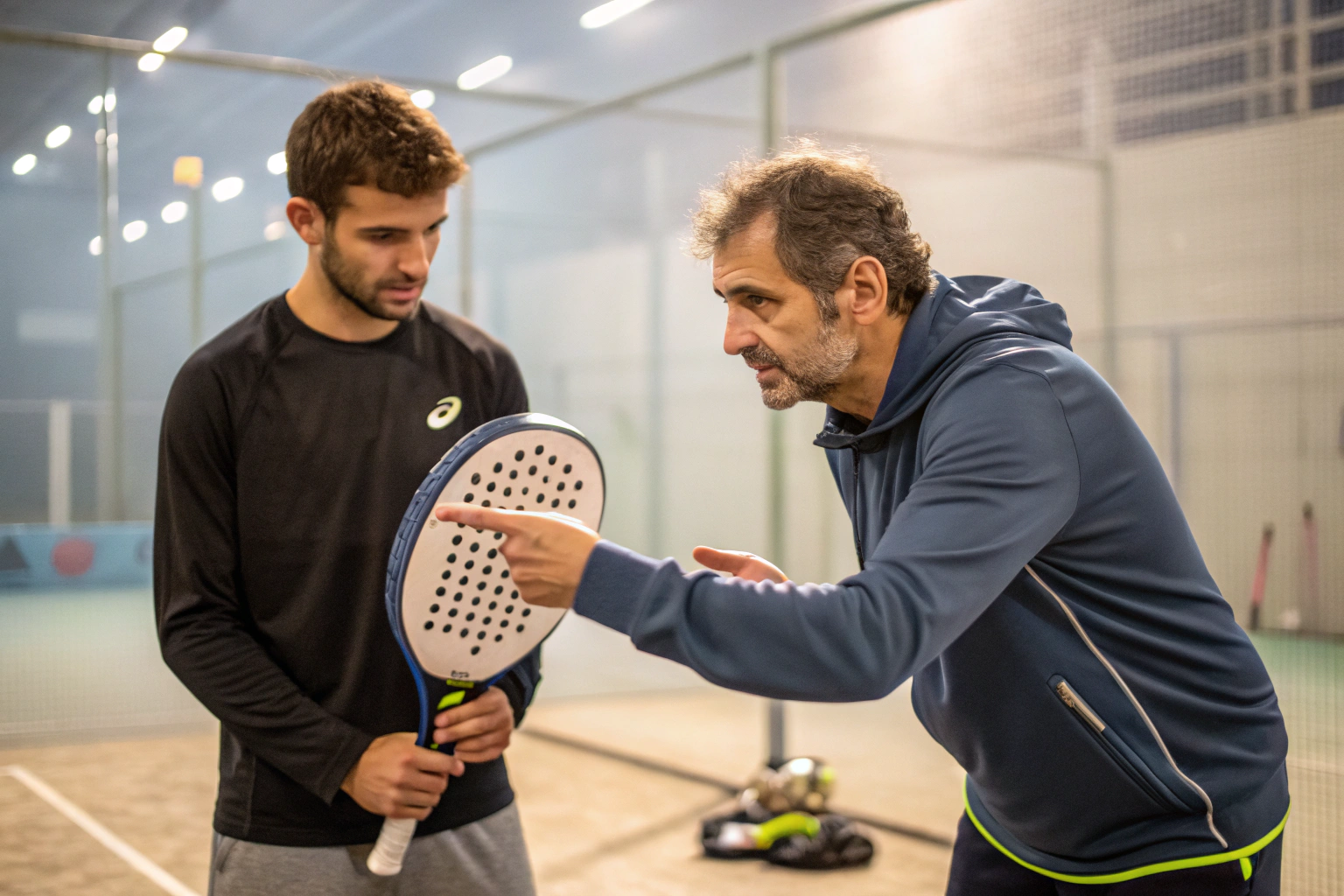
Control rackets help players place the ball accurately, react faster, and avoid over-swinging. Manufacturers use softer materials and lower weight to reduce strain. This improves player retention in clubs and lowers injury complaints. For distributors and retailers, promoting control rackets to new players reduces returns and boosts customer satisfaction.
| Racket Type | Best For | Core | Weight Range | Common Feedback |
|---|---|---|---|---|
| Control | Beginners | Soft EVA | 340–360g | Easy to use |
| Power | Advanced | Hard EVA | 370–390g | Hard to control |
| Balanced | Intermediates | Medium EVA | 360–370g | Versatile playstyle |
Educating customers on this distinction leads to better product fit and repeat orders for entry-level lines.
What mistakes should be avoided when buying a padel racket?
The market is full of products that look premium but perform poorly. Buyers—especially first-timers—should avoid these common errors.
Avoid rackets that are too heavy, have no core labeling, or use low-grade materials. Always check for technical specs and manufacturing source.

Common purchasing errors and how to prevent them
One of the biggest issues seen in B2B distribution is poor product education. Some rackets use vague terms like "pro feel" or "high rebound" without disclosing balance, core material, or shape. These rackets often fail in quality control or lead to high return rates. To ensure a successful product line, manufacturers and brands should clearly define specs, materials, and performance category.
| Mistake | Consequence | How to Avoid |
|---|---|---|
| Buying too heavy a racket | Causes fatigue and poor swing | Stay under 360g for most players |
| No core material mentioned | Leads to poor vibration control | Always choose EVA-specified cores |
| Mislabeling head shape | Affects play and learning curve | Verify with supplier documentation |
| Using low-grade frames | Breaks easily under pressure | Use fiberglass or carbon-based |
A factory that offers detailed spec sheets, material control, and customized development plans will help partners avoid these pitfalls.
Conclusion
Choosing the right padel racket depends on matching the player's skill level, style, and goals with the correct specifications—shape, weight, core, and balance. For brands, clubs, and distributors, partnering with an OEM manufacturer that offers clear technical breakdowns and tested beginner-to-pro models ensures better product performance, fewer customer complaints, and more repeat business. Accurate product alignment leads to a smoother buying experience and higher satisfaction across all levels of the padel market.