
Your badminton racket is an essential piece of equipment, and taking proper care of it can greatly extend its lifespan and maintain its performance. Whether you play regularly or occasionally, knowing how to protect your racket from damage is crucial to keep it in top condition.
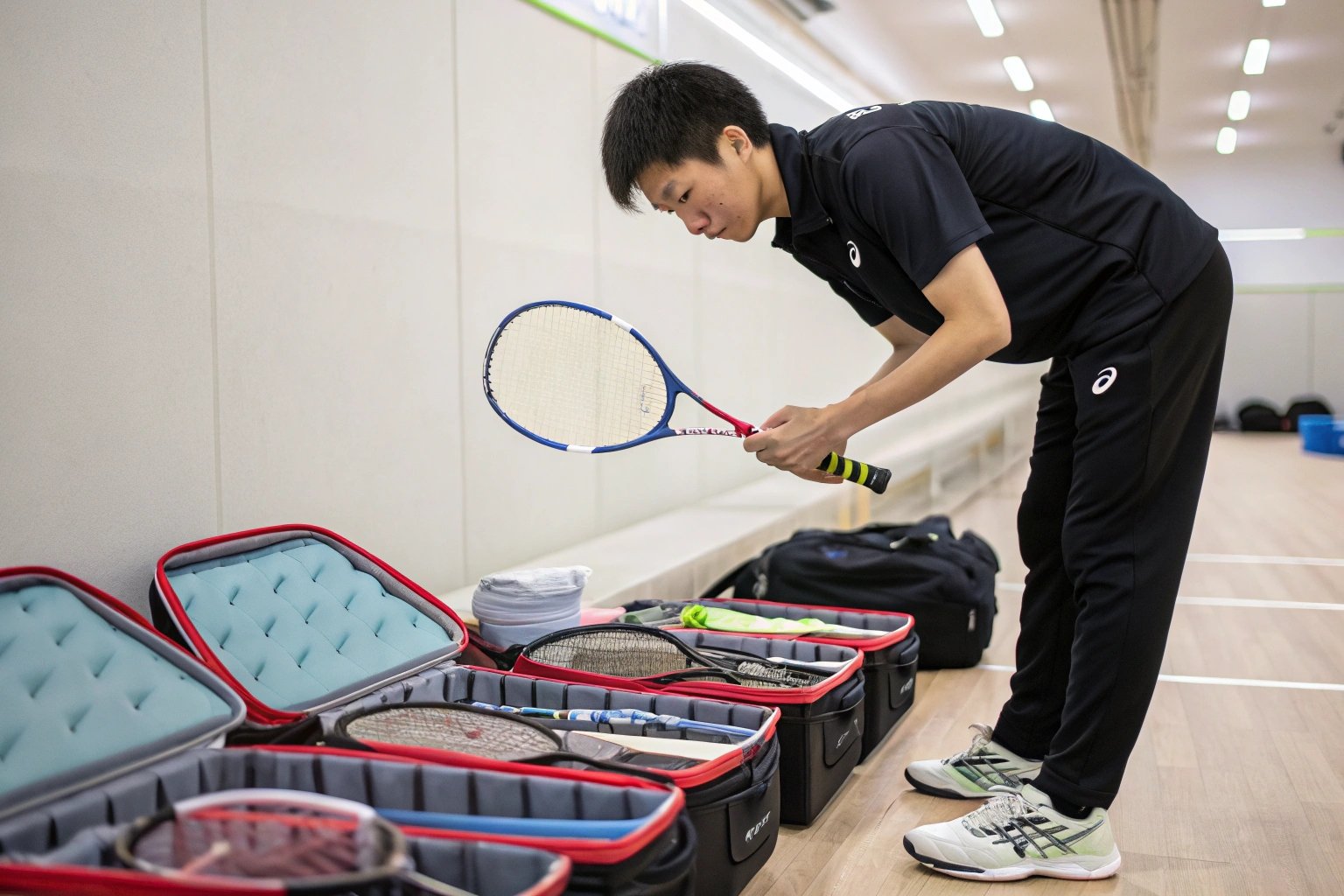
Proper racket care ensures that your equipment stays in great shape, so you can play with confidence and avoid costly replacements.
Badminton rackets are delicate, and they require attention to avoid damage. From storing the racket properly to maintaining its string tension, there are several key practices to follow. Let’s explore the best ways to protect your racket and ensure it lasts for as long as possible.
How should you store your badminton racket?
Proper storage is one of the most important aspects of racket care. Storing your racket incorrectly can lead to warping, frame damage, or string deterioration, which will affect its performance.
Always store your badminton racket in a dry, cool place away from direct sunlight and humidity.
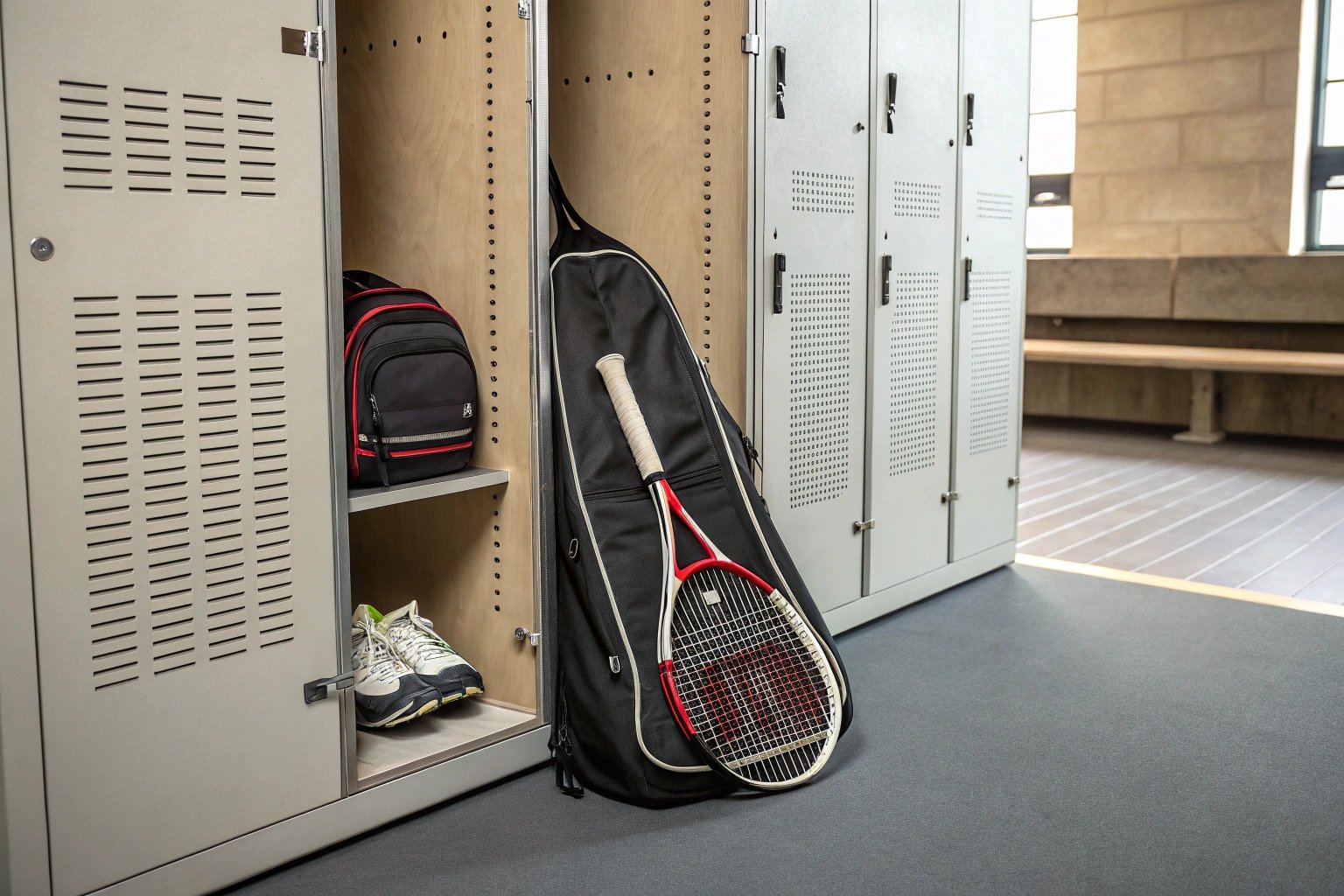
Avoid leaving your racket in hot environments such as your car or in places with high humidity, as these conditions can weaken the materials, causing the frame to warp or the strings to lose tension. It's also important to store your racket in a protective case or cover when not in use. A case will shield your racket from accidental knocks, scratches, and dust that can damage the frame or strings.
How can you protect the strings of your racket?
The strings of your racket are one of the most vulnerable parts, and over time, they can lose tension or break due to wear and tear. Taking care of your strings is crucial to ensure optimal performance.
Keep your strings tight and check them regularly for signs of wear.
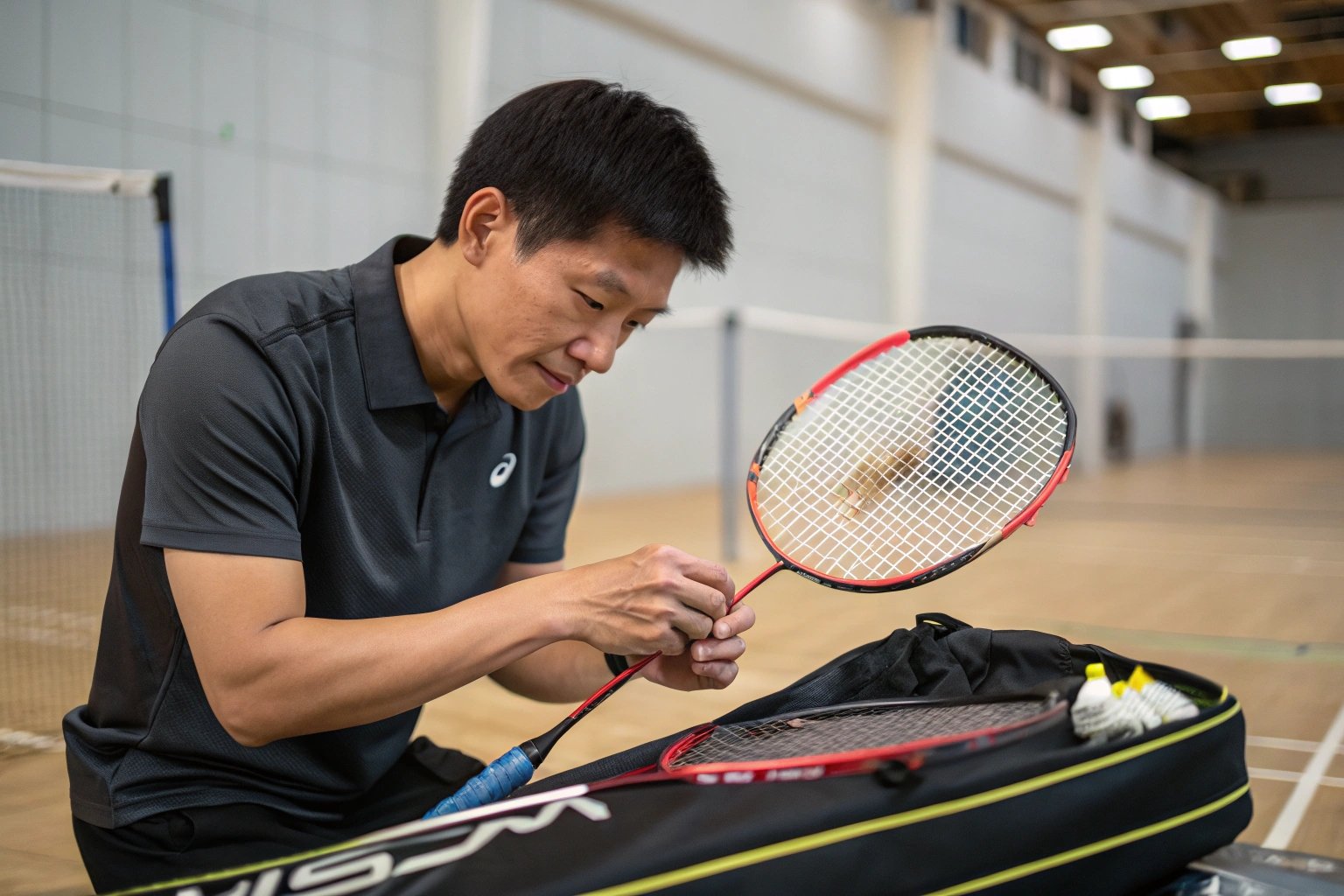
One way to protect your strings is to avoid hitting the ground or wall with your racket, as this can cause them to break or lose tension quickly. If you’re playing frequently, consider restringing your racket every few months to maintain consistent tension and performance. Additionally, using a racket cover or string protector can reduce the amount of pressure on the strings when storing or carrying your racket.
If you notice that the strings are fraying or that the tension feels off, it's best to get your racket restrung rather than continuing to use it with compromised strings.
How does the grip affect racket longevity?
The grip of your racket is often overlooked, but it plays an important role in both comfort and durability. Over time, a worn or slippery grip can lead to discomfort or strain on your hands, and it can even affect your control over the racket.
Change the grip regularly to maintain comfort and prevent wear on the handle.
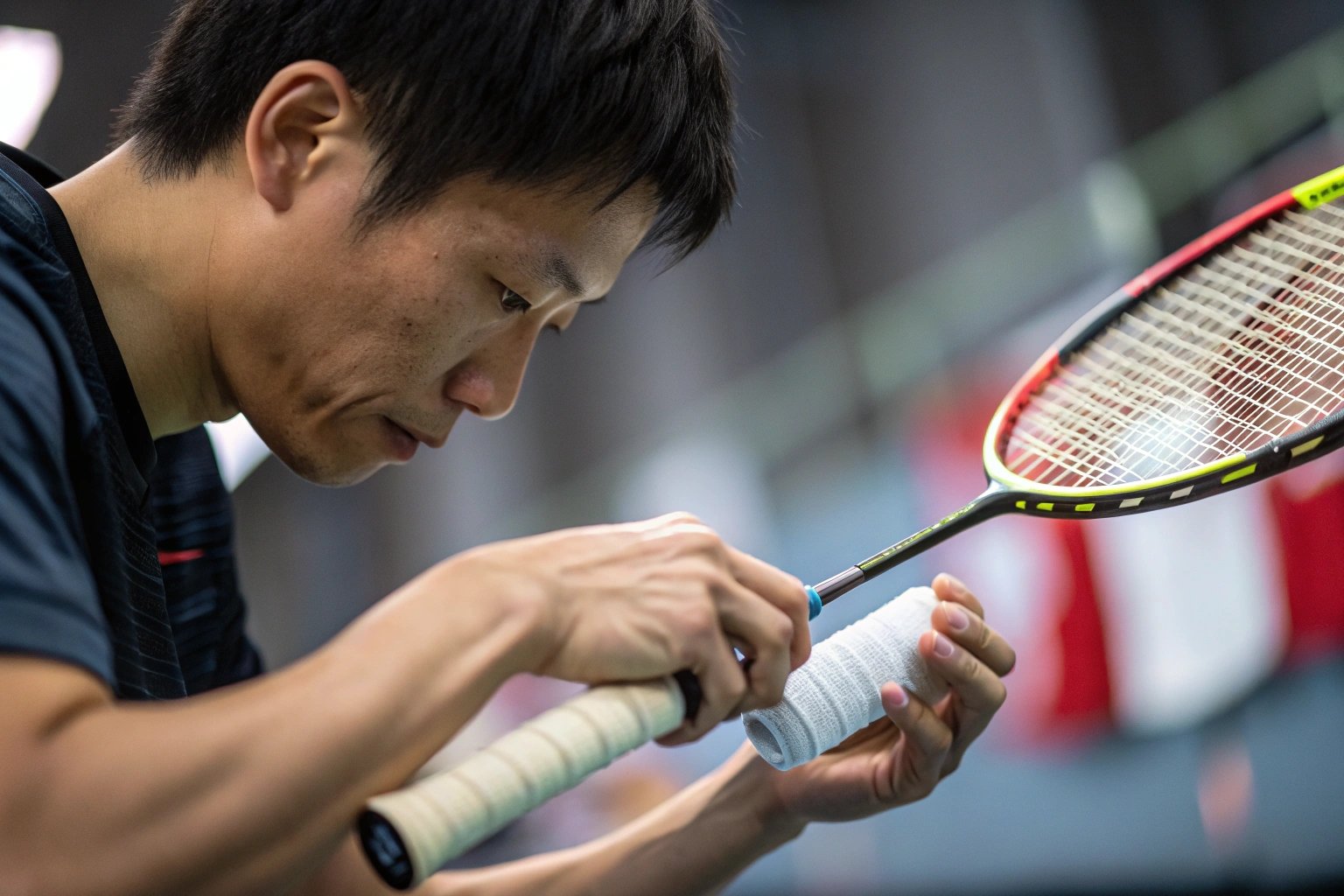
Most rackets come with a standard grip, but if you play frequently, you might want to consider replacing it with a higher-quality grip or an overgrip. This will not only provide better comfort and control but also protect the handle from sweat and dirt, which can degrade the material over time. If the grip becomes slippery or damaged, it can cause you to lose control of your shots and increase the risk of injury.
What should you do after every game?
After each session, your racket will benefit from a quick clean-up to remove any dirt, moisture, or debris that may have accumulated. Regular maintenance after use will keep your racket in good condition and prevent damage.
Wipe down your racket after each game to remove sweat and dirt.
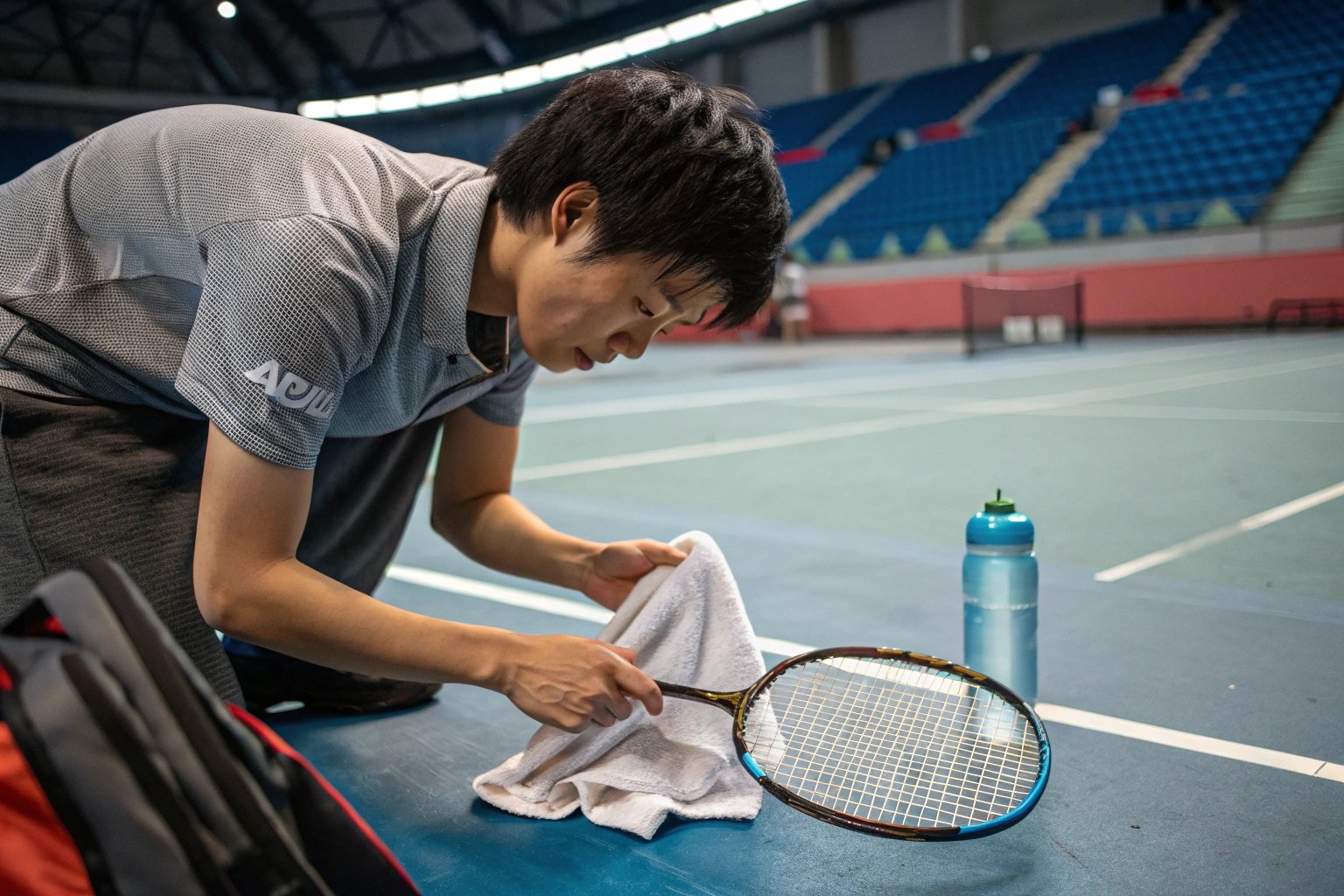
Use a soft, dry cloth to wipe down the frame and strings, ensuring that no moisture or grime is left behind. If you’ve played in hot, humid, or rainy conditions, it’s especially important to clean your racket thoroughly to prevent rust or corrosion. Be sure to dry your racket completely before storing it in its case to prevent mold or mildew from forming, especially on the grip and string bed.
How do you maintain the tension of your racket strings?
String tension plays a key role in your racket’s performance, and keeping it at the right level is important for achieving the right balance of control and power. Over time, string tension naturally decreases, especially with frequent use.
Check your string tension regularly and adjust it if needed.
To ensure optimal performance, you may need to have your racket restrung periodically, especially if you notice a loss in power or control. If you're unsure about when to restring, most players recommend getting the racket restrung every 3-6 months or when the strings start to feel loose or inconsistent. Professional stringers can help ensure that your racket's tension is just right for your playing style.
LOOP END
Conclusion
Taking care of your badminton racket is essential to prolong its life and maintain its performance. From proper storage to maintaining string tension and cleaning after each game, following these simple practices will ensure that your racket stays in excellent condition. Protecting your racket not only improves your game but also saves you money in the long run by reducing the need for frequent replacements.