Many players train hard and buy the right gear—but still struggle on court. Often, it’s not about talent. It’s one small mistake that holds them back.
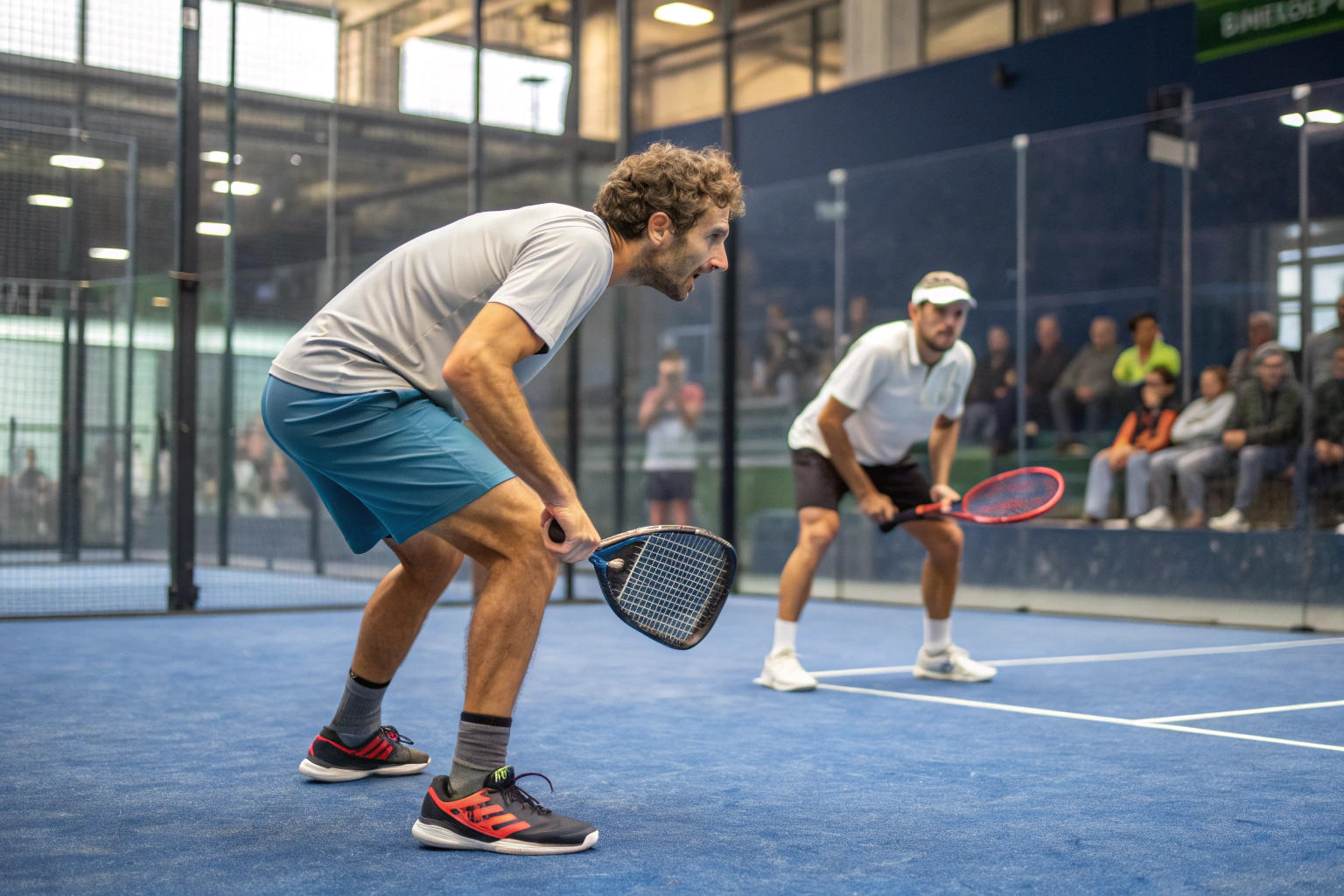
The most common mistake in padel is poor positioning. Being out of position leads to missed shots, poor teamwork, and weak defense.
Padel is not only about power or technique—it’s a positioning game. Standing in the wrong place creates gaps, limits shot choices, and forces rushed movements. Knowing where to stand is one of the fastest ways to level up and win more matches.
Why is positioning the most critical skill in padel?
Players often focus on hitting harder or practicing technique, but padel is 80% about being in the right place at the right time.
Positioning affects both offense and defense. Poor positioning makes even good shots ineffective and opens space for the opponent.
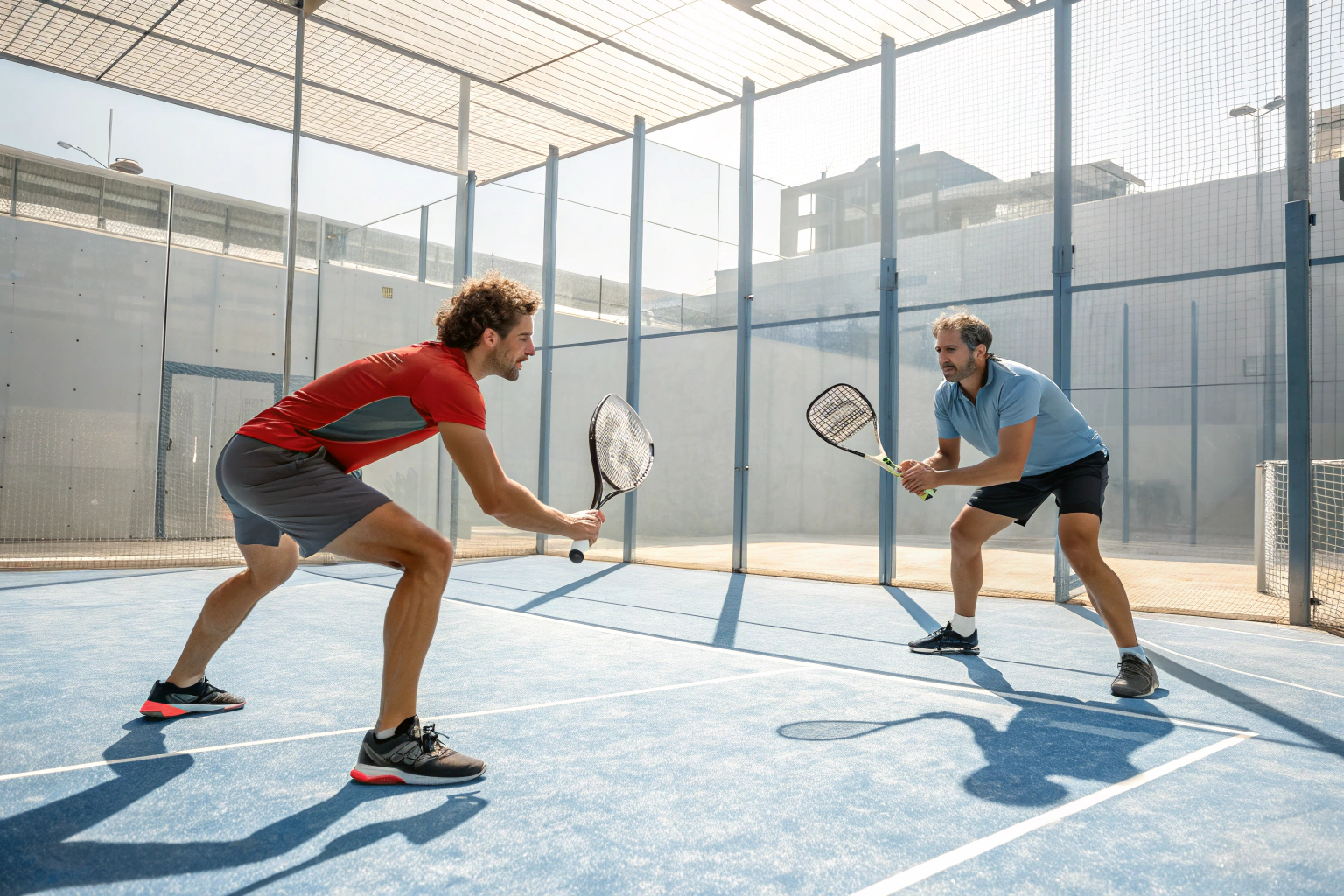
How bad positioning creates problems
Standing too close to the net exposes the backcourt. Staying too far back gives up control. Being off-center breaks team balance. These errors cause rushed shots, wide openings, and higher unforced errors. Teams that control the middle of the court usually win, even without powerful shots.
| Positioning Error | Result |
|---|---|
| Too far back after serve | Opponent takes net control |
| Both players to same side | Open court for opponent |
| Late return to base line | Unready for next ball |
| Poor spacing with partner | Confusion, dropped balls |
Correct court awareness improves teamwork and reaction time—and reduces unnecessary movement.
What are other frequent mistakes beginners make?
When starting padel, players bring habits from other racket sports. These habits don’t always work well in a padel court.
Common beginner mistakes include overhitting, ignoring the walls, standing too far back, and poor communication with the partner.
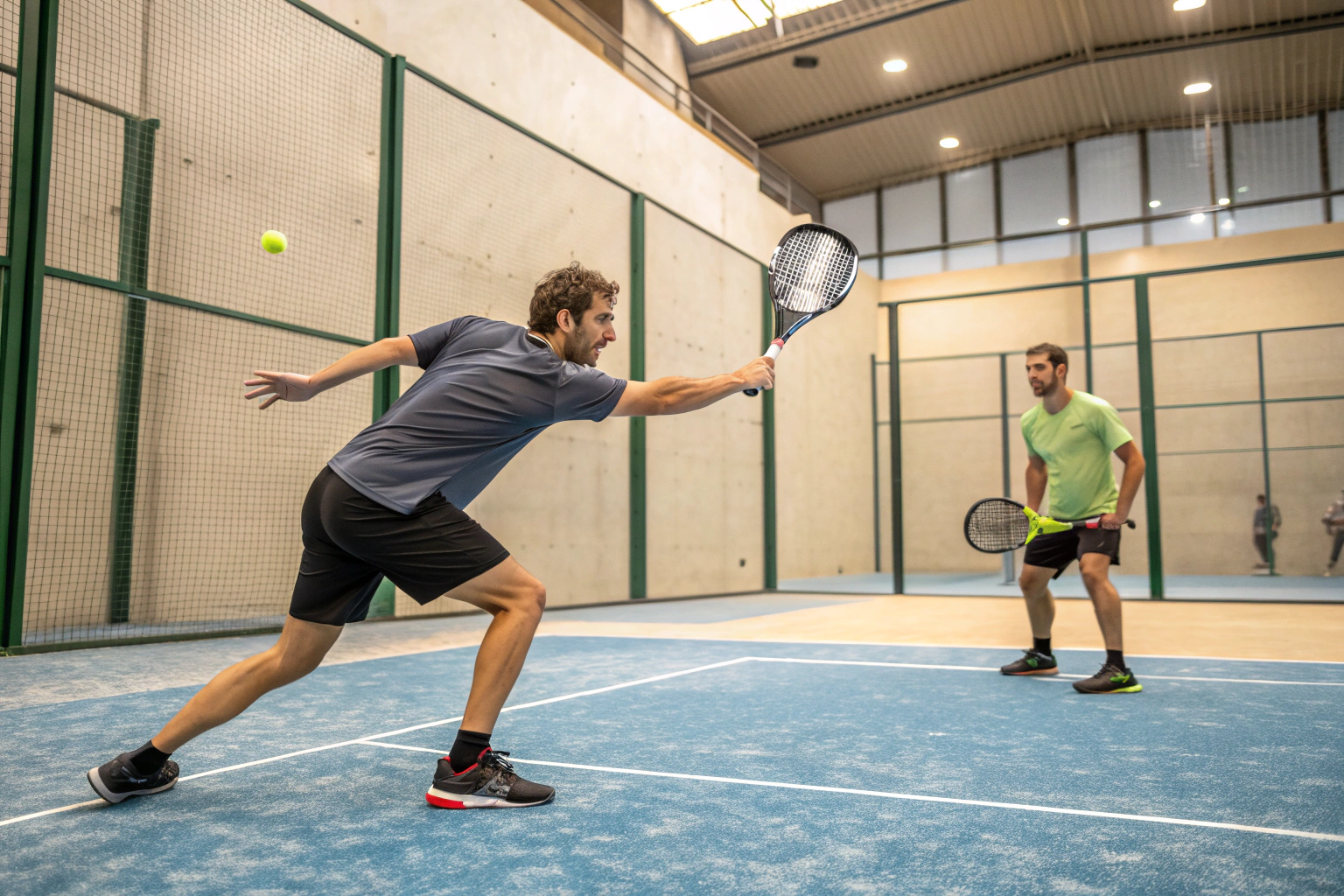
Understanding how habits affect performance
Unlike tennis, padel relies more on control and patience. Overhitting the ball often sends it into the glass or out of bounds. Beginners may also avoid the back walls or fail to use rebounds, missing strategic advantages.
| Mistake | Why It Happens | What to Do Instead |
|---|---|---|
| Hitting too hard | Tennis habits | Focus on placement and timing |
| Ignoring glass walls | Unfamiliar with rebounds | Practice using the walls |
| Lack of teamwork | Solo play mindset | Communicate each point |
| Moving too early | Overthinking the play | Read the ball first |
Fixing these habits helps beginners improve faster and enjoy the game more.
How does poor teamwork affect padel matches?
Padel is always played in pairs. Lack of coordination between teammates causes confusion, open spaces, and lost points.
Bad communication and unclear roles are major causes of unforced errors in doubles padel.
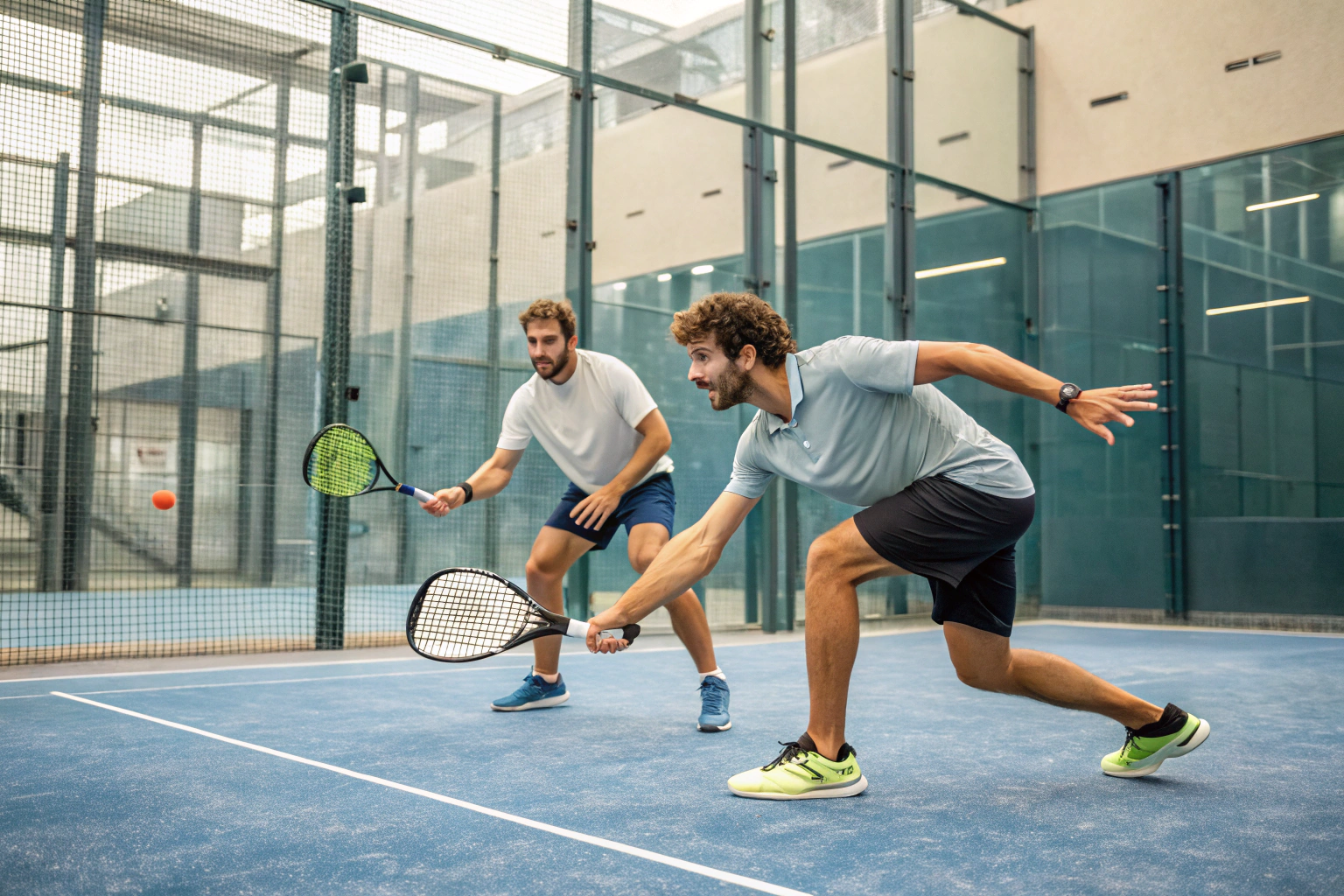
Why teamwork matters more than power
Padel rewards good coordination. Players need to move together, cover each other, and avoid running into the same zone. One partner out of sync can cost the team the match. Regular errors include both players running for the same ball or letting it drop between them.
| Teamwork Mistake | Impact |
|---|---|
| No eye contact or signals | Missed balls, confusion |
| Not covering partner | Opponent hits into space |
| Over-calling shots | Hesitation, unforced errors |
| No rotation after lob | Lose control of the net |
Simple improvements like calling shots, practicing formations, and discussing strategies can fix these problems quickly.
Is equipment choice also a source of mistakes?
Some players blame their skills, when the real problem is the wrong racket. Using a racket that doesn’t match your style or level creates issues.
The most common equipment mistake is using a racket that’s too heavy, too stiff, or wrong for the player’s level.

How racket specs affect performance
Beginners often use advanced rackets that demand more precision and strength. These rackets have harder cores, smaller sweet spots, and higher balance. While they offer more power, they’re harder to control. Lightweight, round rackets with soft cores are better suited for control and comfort.
| Wrong Racket Feature | Common Effect |
|---|---|
| Too heavy | Fatigue, slower reactions |
| Hard core | Vibration, mishits |
| Diamond shape | Harder to control |
| High balance | Late at net, slow defense |
Choosing the right racket supports proper swing mechanics and reduces physical strain.
How can players reduce unforced errors?
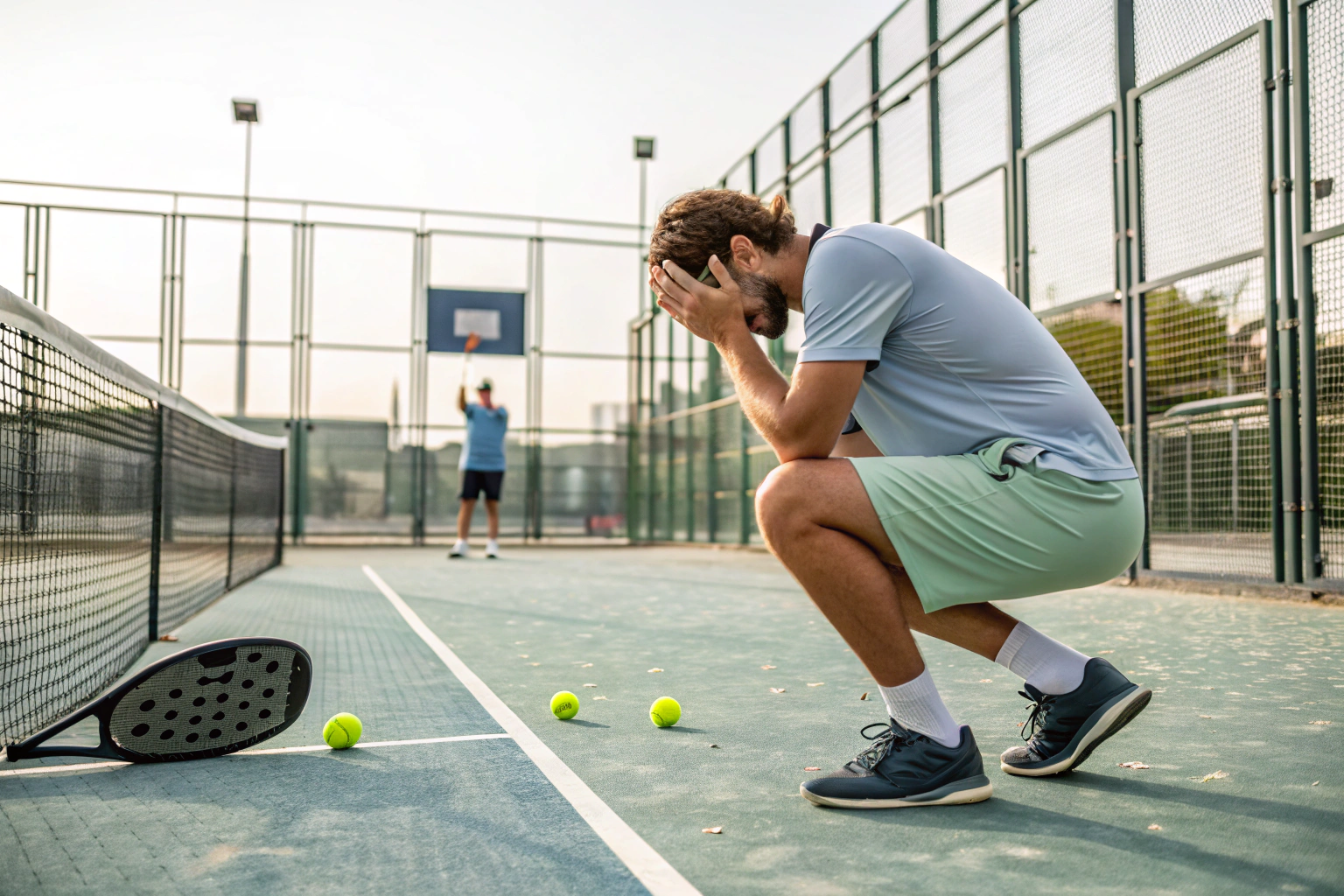
Unforced errors are not caused by the opponent—they come from poor decisions, lack of focus, or technical mistakes.
Reducing unforced errors starts with better shot selection, calm pace, and positioning discipline.
Building consistency through smart habits
Players often try to finish points too early. But padel rewards those who stay patient, wait for the right moment, and place the ball accurately. Overly aggressive shots, hitting too early, or trying low-percentage angles all lead to errors.
| Error Cause | Simple Fix |
|---|---|
| Rushing to attack | Build the point slowly |
| Wrong shot selection | Use safer options |
| Poor footwork | Position before swinging |
| Lack of confidence | Practice high-rep drills |
Playing with focus and keeping it simple is the best way to reduce unnecessary point losses.
Conclusion
The most common mistake in padel is poor positioning—being in the wrong place makes every shot harder. Other common issues include miscommunication, overhitting, and using the wrong racket. Fixing these doesn’t require more power or expensive gear—it takes better awareness, teamwork, and choosing equipment that fits the player’s level. With the right habits, any player can improve quickly and enjoy more success on the court.