In badminton, the service area is a critical part of the game. A legal serve must be executed within specific boundaries, and any error in serving can result in a fault or point loss. Understanding the rules for the service area and how to judge potential errors can significantly improve your performance and ensure you play by the book.
A proper understanding of the service area and fault rules is essential for judging errors in badminton serves, ensuring that your serves are legal and within the correct boundaries.
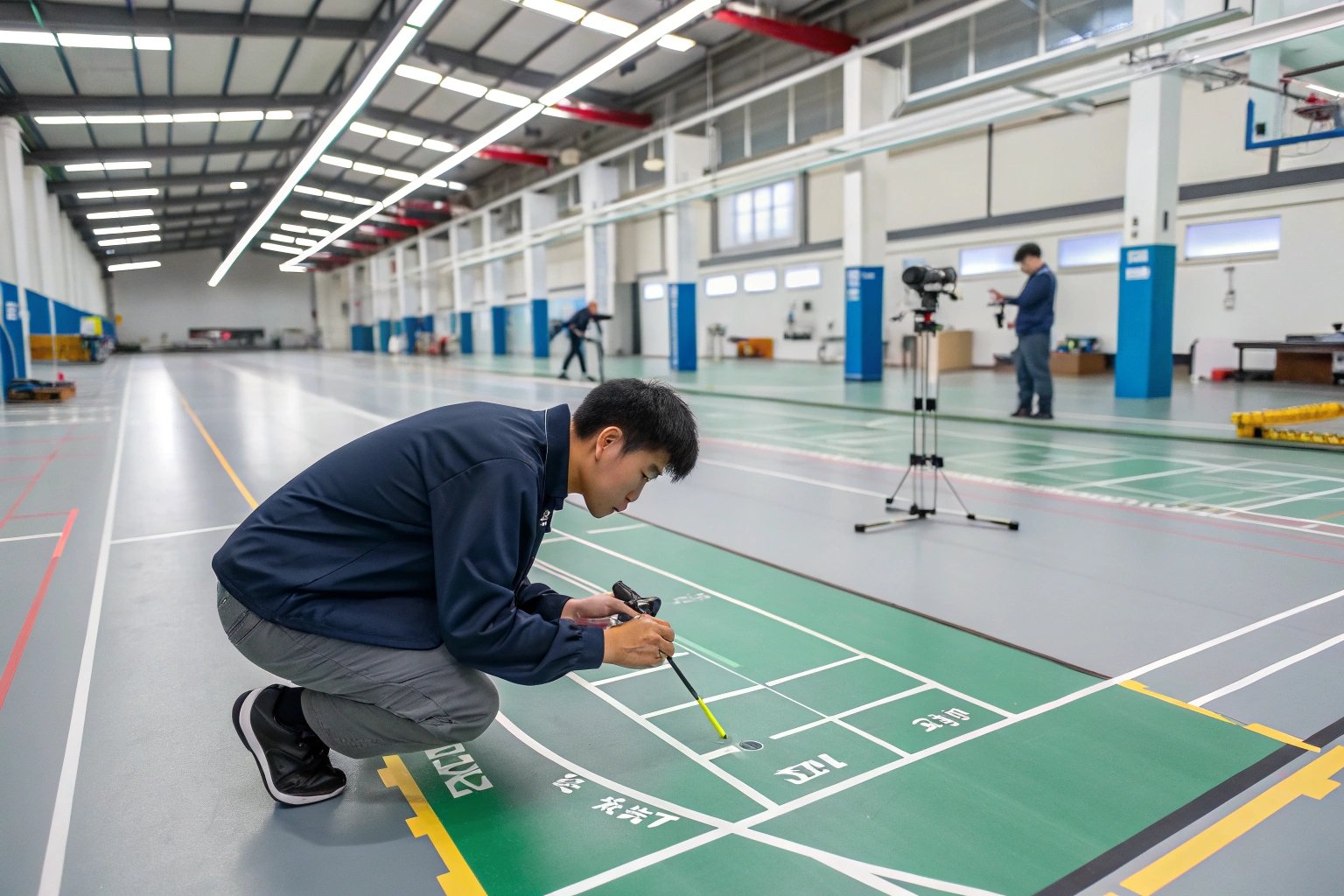
The service area is the part of the court where a player must serve the shuttlecock during the game. Any mistakes in this area can result in faults, affecting the flow of the game. Let’s explore how to judge errors in the badminton service area and avoid common mistakes during serving.
The Dimensions of the Service Area
The first step in judging errors in the service area is understanding the dimensions of the service court. In badminton, the court is divided into two halves by a centerline, and each half is further divided by a short service line and a long service line. The service area is the rectangular area bounded by the centerline, the short service line, and the sideline.
The service area is a defined space where the shuttle must land, and errors occur when the shuttle lands outside of this space.
- Short Service Line: This line marks the minimum distance the shuttle must travel during the serve. If the shuttle lands in front of this line (in the short service area), it is considered a fault.
- Long Service Line: This line marks the maximum distance the shuttle can travel. A serve that lands beyond this line (in the long service area) is also considered a fault.
- Sidelines: The sidelines mark the outer boundaries of the service area. A serve that lands outside these boundaries, either on the left or right side, results in a fault.
LOOP END
Common Errors in the Service Area
There are a few common errors that players make when serving in badminton, which can lead to faults. Understanding these errors will help you avoid mistakes during your serve and judge whether a serve is valid or not.
Common errors include serving too high, serving from the wrong side, or serving outside the designated service area.
- Serving above the waist: The server’s racket must be below the waist during the serve. A serve executed above the waist is considered a fault. This rule ensures that the shuttle travels in a downward trajectory, making it more difficult for the opponent to return the shuttle effectively.
- Wrong side serving: In doubles, each player has a designated side to serve. A player must serve from their correct side based on the score. If the server serves from the wrong side, it results in a fault.
- Incorrect landing: A legal serve must land inside the service area, which is bounded by the short and long service lines, and the sideline. If the shuttle lands outside these boundaries, it is a fault. It is essential to judge the shuttle’s landing carefully to ensure it is within the legal service area.
How to Judge a Fault
To judge a fault in the service area, the key is to focus on the position of the shuttle when it lands. Understanding whether it falls inside or outside the service area can be tricky, but there are a few tips to help make the call.
Watch for the shuttle’s landing position, and ensure the serve meets the legal requirements of height, distance, and direction.
- Landing within the short service line: The shuttle must cross the short service line to be valid. If it lands in front of this line, it is a fault. Make sure to observe the shuttle’s trajectory and judge if it crosses this line.
- Landing within the long service line: The shuttle must land before or on the long service line. If it goes beyond this line, it’s a fault.
- Sidelines: Always ensure the shuttle lands within the sideline limits. In doubles, the service area is narrower, so be particularly vigilant about judging whether the shuttle lands inside the correct sidelines.
How to Correct Common Service Area Errors
To avoid faults and ensure a legal serve, players must follow specific guidelines when serving:
Ensure proper serve height, placement, and direction to keep the serve within the service area.
- Serve underhand with correct height: Keep your racket below the waist during the serve, and make sure the shuttle travels in an upward arc, crossing the short service line.
- Use proper positioning: Stand within your designated service box, and ensure the shuttle lands within the correct service area. In doubles, pay attention to which side of the court you are serving from, especially when the score changes.
- Practice your serve: To reduce errors, practice your serves regularly to ensure that you can consistently land the shuttle within the service area. This practice will help you develop accuracy and timing.
Conclusion
Judging errors in the badminton service area requires a good understanding of the court’s dimensions and the specific rules governing the serve. By focusing on the shuttle’s landing position and following the correct serving techniques, you can avoid faults and ensure a legal, effective serve. Understanding these rules will improve your serving consistency and help you maintain control during the game.