Starting out in badminton can be exciting, but picking the right racket is crucial to developing your skills. How do you choose the best badminton racket for beginners?
For beginners, the ideal racket should be lightweight, durable, and forgiving. It should provide good control and comfort as you learn the game.
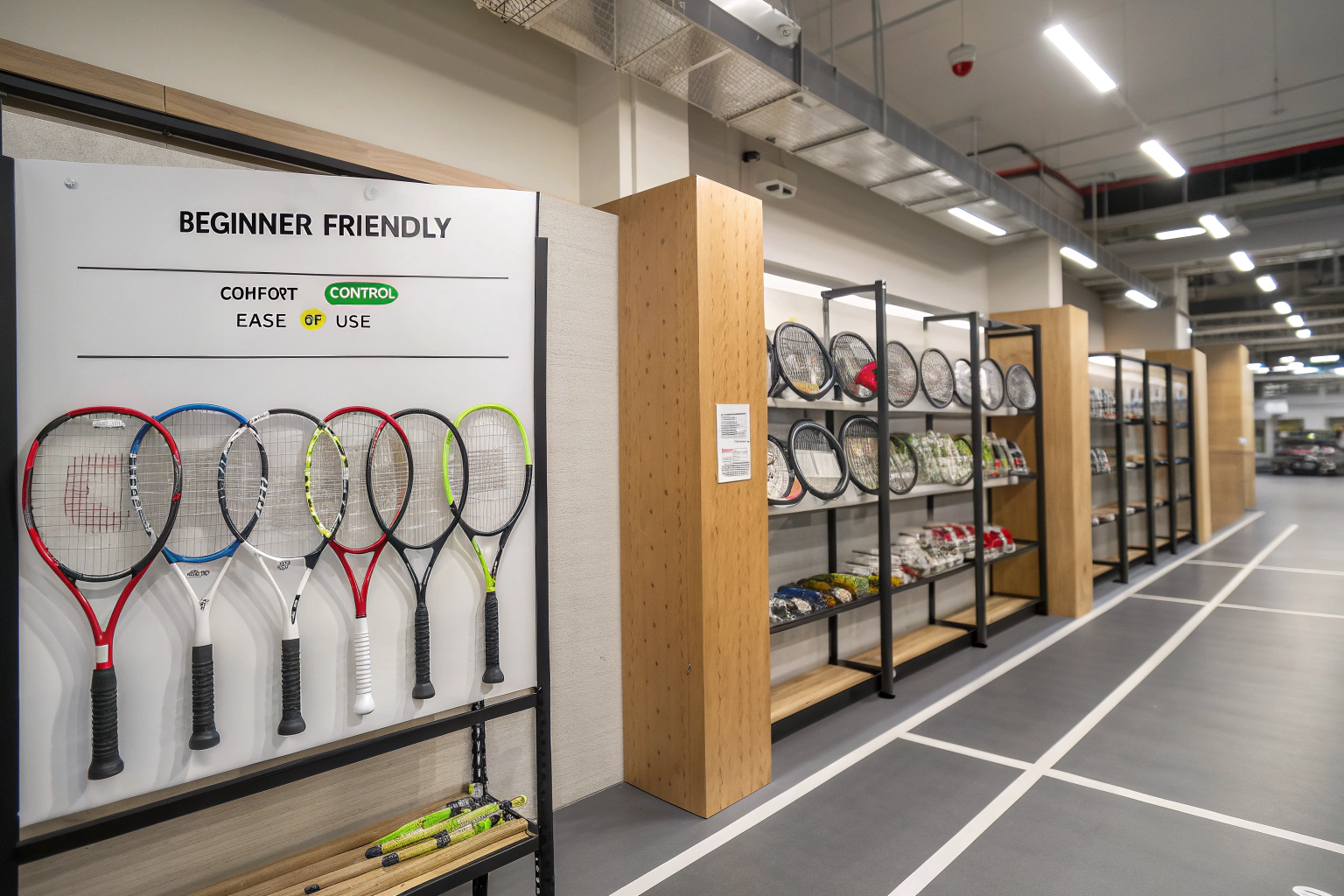
When you're just getting started in badminton, finding the right racket can be overwhelming with all the options available. But choosing a racket that matches your skill level can make a significant difference in your performance and enjoyment of the sport. Here’s everything you need to know to pick the best badminton racket as a beginner.
What Should Beginners Look for in a Badminton Racket?
As a beginner, you don’t need to focus on advanced features. Instead, prioritize comfort, durability, and control.
For beginners, focus on a racket that is lightweight, has a balanced or even head-light design, and is durable enough to withstand consistent use.
- Weight: A lightweight racket is key for beginners, as it’s easier to handle and will help you improve your technique. Look for rackets weighing between 80-90 grams.
- Balance: A balanced or head-light racket offers better maneuverability and control, helping you develop your skills before moving to a more advanced racket. Head-heavy rackets are usually used for power, which isn’t a priority at the beginner stage.
- Flexibility: Flexible rackets help beginners generate more power, as they allow the racket to bend slightly during the shot, creating a “trampoline” effect. A medium flex shaft is generally ideal.
- Durability: A durable frame and string tension are crucial for beginners who may not have the best shot technique yet. Look for materials like aluminum or steel for better durability and value.
Should Beginners Choose an Expensive or Affordable Racket?
As a beginner, it’s often tempting to go for high-end rackets, but spending a lot of money on a racket you’re not familiar with yet may not be necessary.
Beginners should prioritize affordability while still choosing a quality racket. You can always upgrade later as you improve.
In general, beginners should aim for a budget-friendly racket. There’s no need to buy an expensive, high-performance racket right away. Affordable rackets made from materials like aluminum or composite materials provide good value for money while helping you learn the fundamentals. As your skills improve, you can consider upgrading to a more advanced racket that suits your playing style.
However, don’t go for the cheapest racket on the market, as this may affect your experience negatively. Choose a racket with good reviews and a reputable brand, ensuring that it offers durability and decent playability.
What Grip Size Should Beginners Choose?
Choosing the correct grip size is an often-overlooked but essential aspect of picking a racket. A grip that’s too small or too large can lead to discomfort or poor control.
Beginners should choose a grip that fits comfortably in their hand, offering enough space for the fingers to wrap around without being too tight.
[image placeholder]
To determine the right grip size:
- Place your thumb and index finger around the handle.
- If you can fit a finger between your palm and the grip comfortably, it’s a good size.
- If it feels too tight or too loose, try a different size.
Grip sizes typically range from G1 (smallest) to G5 (largest). G4 is commonly used for adults, but beginners might prefer a slightly smaller grip for better control. You can also use an overgrip to adjust the size if necessary.
Should Beginners Consider a Pre-strung or Custom-strung Racket?
For beginners, it’s usually better to go for a pre-strung racket. Custom strings are great for advanced players who need specific string tensions and materials, but as a beginner, a pre-strung racket offers convenience and good performance without the added cost.
Pre-strung rackets are ideal for beginners as they are ready to use and come with a string tension suited for general play.
Most beginner rackets come pre-strung with a medium string tension (around 18-22 lbs). This tension offers a good balance of power and control. Once you gain more experience, you can look into custom string options if needed.
How Important Is the Material of the Racket Frame?
The material of the racket frame affects both its durability and performance. As a beginner, you don’t need to focus on the most advanced materials. However, it’s still important to choose a racket with a durable frame that can withstand beginner-level play.
Look for rackets made from materials like aluminum or composite for a solid combination of durability and value.
- Aluminum: A common choice for beginner rackets, aluminum is durable and affordable. It offers good value for money and can handle the wear and tear of learning the game.
- Composite: This material is a blend of various materials, offering better durability and performance than aluminum while still being relatively affordable. Composite rackets often provide a good balance of power, control, and weight.
While carbon fiber rackets are more advanced and lightweight, they tend to be more expensive. For beginners, a racket made of aluminum or composite is a great choice for learning the game.
Are There Specific Brands That Offer Great Rackets for Beginners?
Certain brands specialize in making quality rackets for beginners. Some of the most trusted brands in the badminton world offer entry-level rackets that provide excellent value for new players.
Popular beginner-friendly brands include Yonex, Victor, and Li-Ning. These brands offer affordable and well-designed rackets for beginners.
- Yonex: Yonex is one of the most renowned brands in badminton. They offer a wide range of beginner rackets that are lightweight, durable, and affordable, with options like the Yonex Nanoray series.
- Victor: Victor provides a great selection of rackets for beginners, focusing on comfort and ease of use. The Victor Arrow series offers affordable rackets with good control and flexibility.
- Li-Ning: Known for its affordable yet durable rackets, Li-Ning’s beginner options, like the Li-Ning XP series, are popular for players just starting out.
These brands also offer good customer support and warranty options, which is an added benefit when buying a new racket.
Conclusion
Choosing the best badminton racket for beginners involves focusing on weight, balance, durability, and affordability. With the right racket, you’ll be able to develop your skills and enjoy the game. As you progress, you can always upgrade your racket to match your playing style.