The quality gap between padel rackets from different suppliers is often hidden behind similar designs and marketing claims. The real difference comes from manufacturing technology, material control, engineering experience, and quality systems.
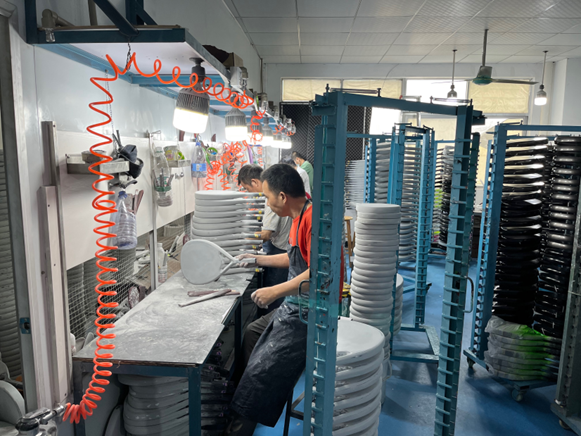
The best padel rackets are usually made in factories with strong carbon fiber technology, professional R&D teams, strict production control, and complete OEM/ODM development capabilities. A reliable manufacturer does not only assemble rackets but controls every important step from design, material selection, molding, testing, and final inspection.
For brands, distributors, clubs, and professional buyers, choosing the right production location and factory partner directly affects product reputation and long-term sales performance.
A professional padel racket manufacturer should provide more than finished products. It should provide manufacturing knowledge, quality consistency, and technical support throughout product development.
Where Are the Best Padel Rackets Manufactured?
The best padel rackets are made in regions with mature composite material industries, advanced production technology, and experienced racket manufacturing teams.
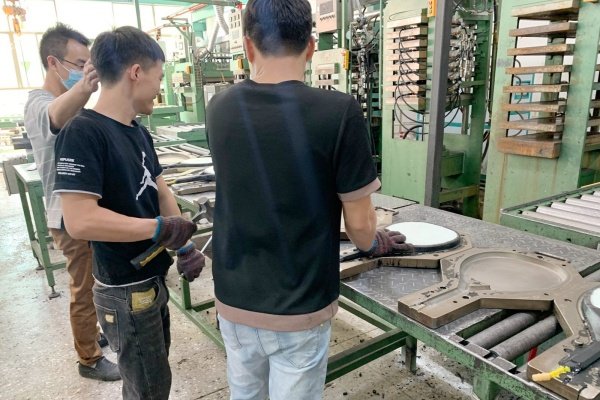
High-quality padel racket production requires much more than basic assembly. Carbon fiber processing, mold development, EVA foam selection, heat curing, surface finishing, and performance testing all require specialized knowledge. Countries with strong manufacturing ecosystems can provide better control over these processes.
China has become one of the important manufacturing centers for carbon fiber sports products because of its complete supply chain and production experience. A professional factory can manage raw material sourcing, engineering development, production capacity, and quality inspection in one system.
However, the location alone does not guarantee quality. The real difference comes from the factory itself. A good manufacturer should have experienced engineers, modern production equipment, strict inspection procedures, and the ability to develop customized products.
For example, a factory with internal design and R&D capabilities can adjust carbon layers, frame structures, and balance systems according to different market requirements. This creates stronger product differentiation compared with simple production suppliers.
The best padel rackets are therefore not defined only by where they are produced. They are defined by the manufacturing standards behind the production process.
How to Ensure Your Manufacturer Meets Quality Standards
Choosing a manufacturer requires more than comparing prices or reviewing product photos. Quality standards should be evaluated through materials, production methods, testing procedures, and factory management systems.
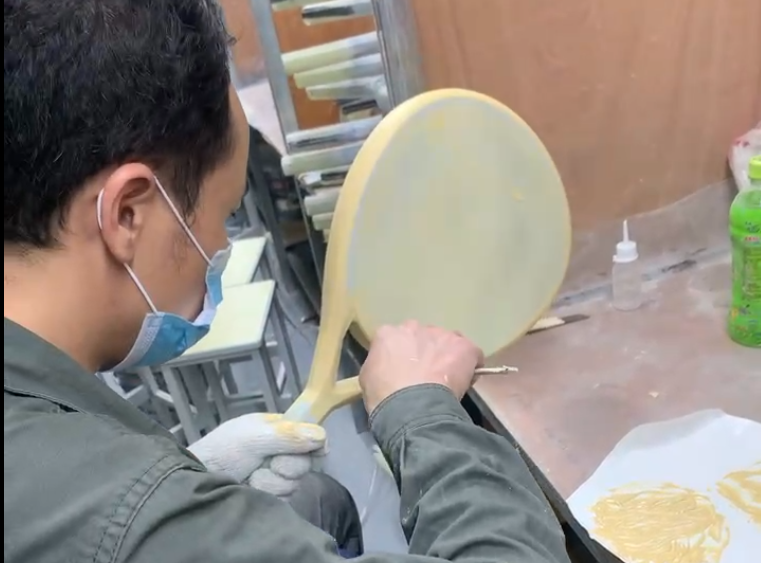
The first step is checking raw material control. Carbon fiber quality directly affects racket stiffness, durability, and playing feel. A professional factory should understand different carbon fiber grades and how each structure changes racket performance.
The second step is evaluating production processes. Important manufacturing stages include carbon layering, mold compression, curing temperature control, drilling accuracy, surface coating, and final assembly. Each step influences the final product.
The third step is checking whether the factory has internal technical teams. A manufacturer with its own design and R&D department can solve technical problems faster and create better customized products. This is especially important for brands that need unique racket models instead of standard products.
A reliable manufacturing system such as the one presented by padelico focuses on controlling the complete development process, from concept design to finished racket production.
Quality standards should also include communication efficiency, production timelines, and after-sales support. A factory that understands international buyers’ requirements can reduce delays and improve cooperation stability.
Quality Assurance Systems in Padel Racket Manufacturing
Quality assurance is the foundation of professional padel racket manufacturing. A strong factory does not depend only on final inspection. Quality control should exist throughout the entire production process.
The first quality checkpoint begins with incoming materials. Carbon fiber sheets, EVA foam, resin, paint materials, and other components should be inspected before entering production. Poor-quality materials can create problems that cannot be fixed later.
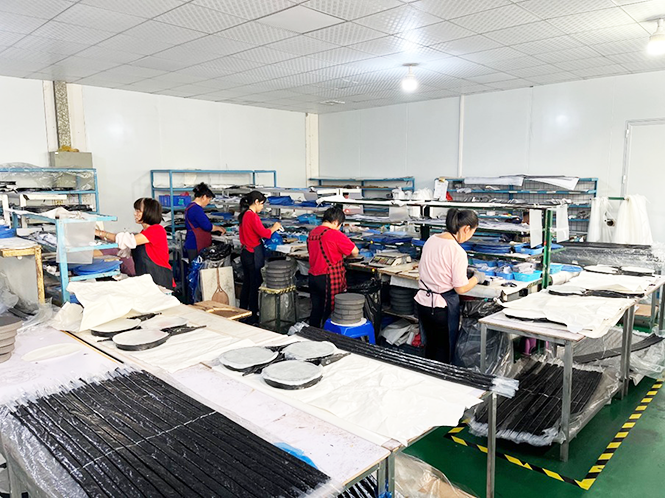
During production, every stage requires monitoring. Carbon layering must follow the approved structure. Mold temperature and pressure must remain stable during curing. Drilling positions must be accurate because hole patterns influence aerodynamics and vibration control.
After production, finished rackets require performance checks. Weight tolerance, balance point, surface quality, impact resistance, and structural stability should all be evaluated.
Professional factories also use sample approval systems. Before mass production begins, samples are tested and confirmed to ensure the final order matches the expected specifications.
A strong quality assurance system reduces product complaints and improves customer confidence. It also helps brands build consistent product lines because every production batch follows the same technical standards.
What Makes a Professional Padel Racket Factory Different?
A professional padel racket factory is different from a simple supplier because it controls product development, engineering, and manufacturing together.
The first difference is production ownership. A real factory manages manufacturing processes directly instead of outsourcing production to multiple unknown suppliers. This creates better quality control and faster problem solving.
The second difference is technical ability. Professional factories have engineers who understand carbon fiber structures, foam characteristics, racket balance, and player requirements. They can recommend improvements instead of only following basic instructions.
The third difference is customization ability. Modern padel brands often need unique designs, special materials, different hardness levels, and customized graphics. Factories with R&D capabilities can support these requests more effectively.
The fourth difference is experience with international markets. Global buyers often require stable quality, reliable delivery schedules, and clear communication. Factories experienced with overseas cooperation understand these expectations better.
A manufacturing partner should not only produce rackets. It should help create products that match market demand and support brand growth.
How to Audit a Padel Racket Factory Before Orders
Factory auditing is an important step before placing large production orders. A proper audit helps identify whether a supplier can truly deliver consistent quality.
The first area to check is production capability. Buyers should understand whether the factory owns production equipment, manages workers directly, and controls important manufacturing stages.
The second area is technical capability. A factory should be able to explain carbon fiber selection, foam options, mold design, and testing procedures clearly. Technical answers often reveal the real manufacturing ability behind the company.
The third area is quality documentation. A professional factory should have clear inspection standards for materials, semi-finished products, and finished rackets.
The fourth area is sample testing. Samples should be checked for weight accuracy, balance, comfort, durability, and overall performance before moving into bulk production.
The fifth area is communication efficiency. Fast and accurate communication reduces development mistakes, especially when creating customized racket models.
A factory audit is not only about checking facilities. It is about understanding whether the supplier has the systems needed for long-term cooperation.
Why Factory Experience Matters in Padel Racket Development
Padel racket manufacturing requires experience because many small details influence the final playing experience.
A factory with years of development experience understands how carbon fiber layers affect power and control. It understands how EVA density changes comfort and rebound. It understands how frame structure influences durability.
This experience becomes especially valuable during customization projects. A buyer may have a market idea, but turning that idea into a successful racket requires engineering knowledge.
Experienced factories can also predict potential problems before production starts. For example, they can adjust frame reinforcement, reduce vibration, improve balance, or recommend different materials based on target users.
Long-term manufacturing experience also improves production stability. Repeated processes create better quality consistency and fewer unexpected issues during large orders.
This is why choosing a factory is not only about production capacity. It is about selecting a partner with technical knowledge, quality systems, and the ability to support continuous product improvement.
The Future of High-Quality Padel Racket Manufacturing
The padel market continues to develop, and product expectations are becoming higher. Buyers are looking for rackets with better performance, stronger durability, and clearer positioning.
Future manufacturing competition will depend on technology, not only production volume. Factories with stronger R&D capabilities will have advantages because they can develop products faster and respond to changing player needs.
Material innovation will also become more important. Improvements in carbon fiber combinations, foam structures, vibration control, and aerodynamic designs will continue shaping future racket development.
For brands and distributors, cooperation with experienced manufacturers will become increasingly valuable. A strong manufacturing partner can support product upgrades, new model development, and long-term market expansion.
The best padel rackets will continue to come from factories that combine advanced materials, skilled engineering teams, strict quality control, and a deep understanding of player performance.
Conclusion
The best padel rackets are made by manufacturers that combine technology, experience, quality control, and product development ability.
A reliable factory should provide more than production capacity. It should provide stable materials, professional engineering, strict testing systems, and the ability to create customized racket solutions.
Before selecting a supplier, careful evaluation of manufacturing processes, quality systems, and technical capabilities can greatly reduce risks and improve product success.
Working with an experienced manufacturer such as a professional padel racket factory helps ensure consistent quality, stronger product competitiveness, and long-term cooperation opportunities.