The ideal budget for a padel racket depends on playing level, performance expectations, and material quality. A well-chosen price range ensures comfort, durability, and consistent performance without overpaying for features not yet needed.
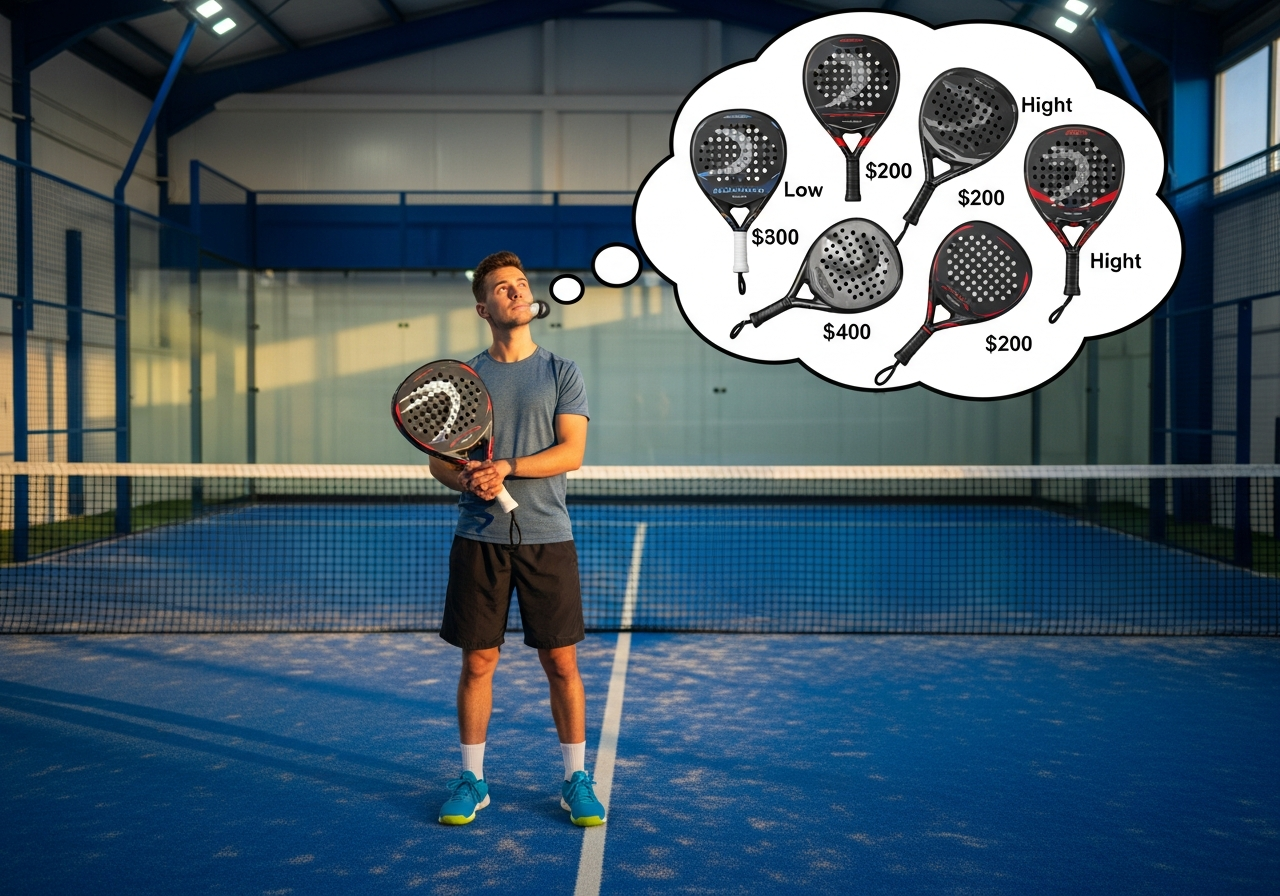
Most players should expect to spend $60–$300, depending on construction quality and intended use.
This guidance supports brand owners, distributors, retailers, clubs, and manufacturing partners evaluating price-tier strategy or planning product structures for different markets.
What Is the Best Budget for Beginners?
Beginners benefit most from rackets priced between $60–$120, focusing on comfort and control rather than advanced power features.
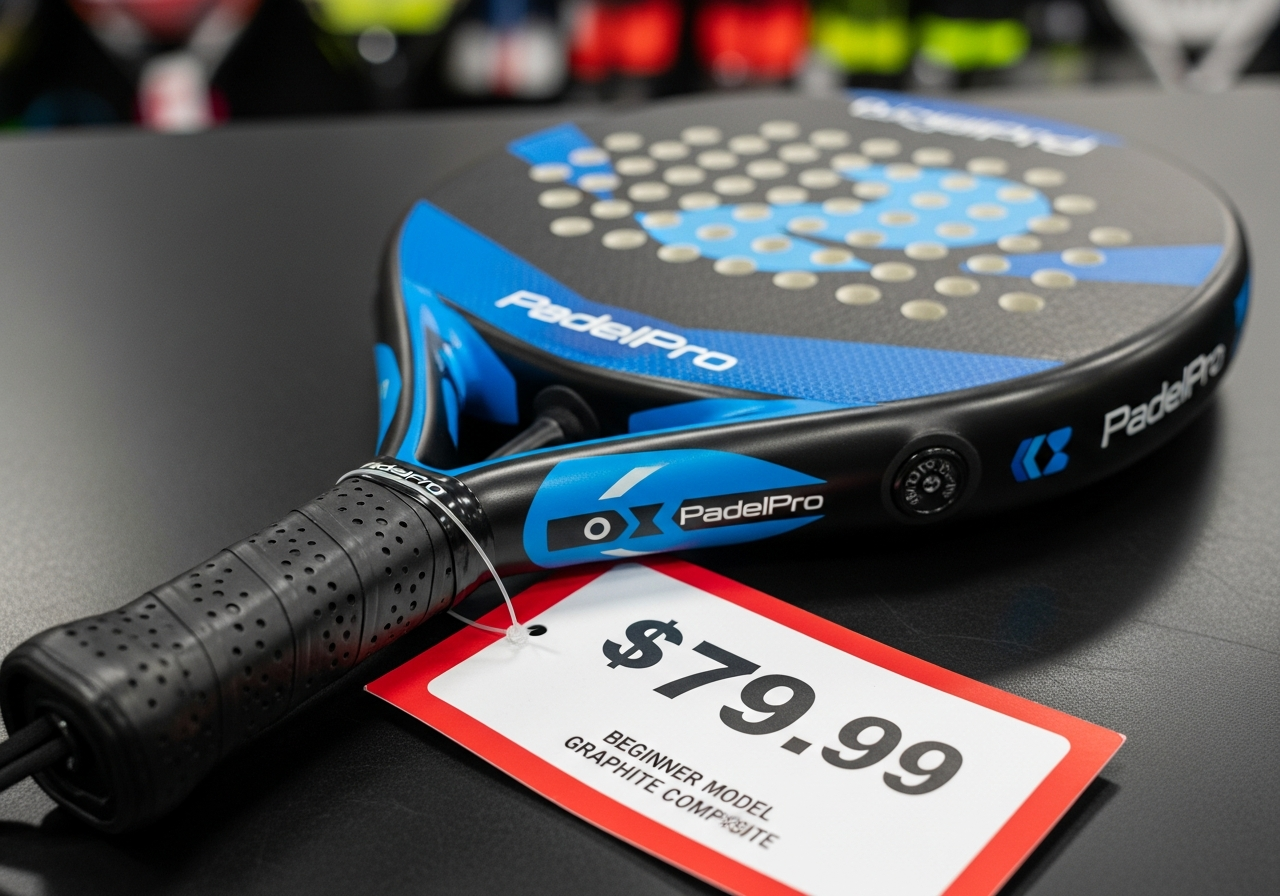
Models in this range typically use fiberglass surfaces, soft EVA cores, and round shapes—all ideal for developing technique. The structure provides forgiveness without overwhelming stiffness. Durability is sufficient for regular practice, and cost remains manageable for first-time buyers.
Factories maintain consistent performance in this price range by using standardized fiberglass layups, controlled foam density, and simplified but reliable curing cycles. These methods ensure the racket feels comfortable while keeping production cost efficient for large-scale retail distribution.
What Should Intermediate Players Expect to Spend?
Intermediate players usually spend $120–$200, gaining improved balance, stability, and responsiveness.
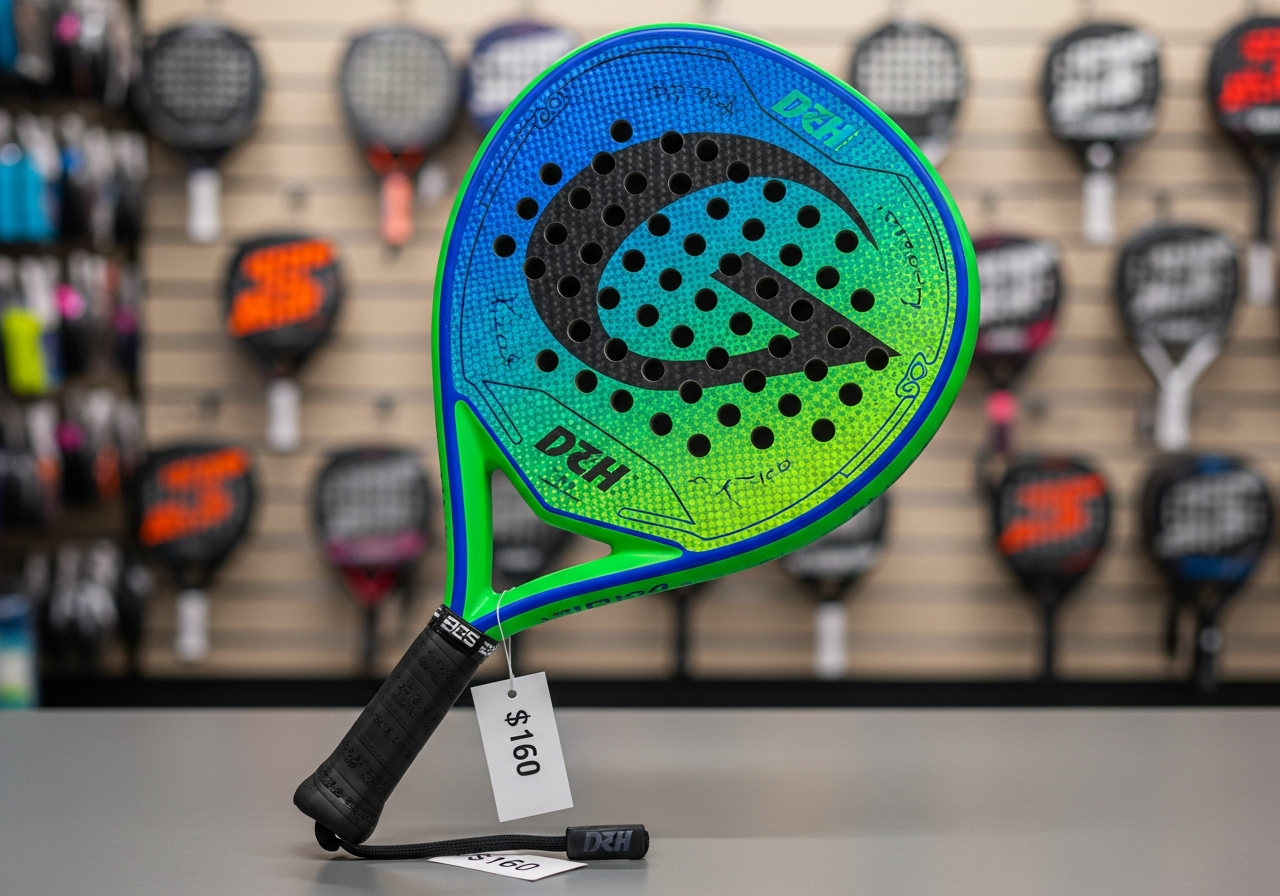
Rackets in this range often include hybrid constructions combining fiberglass with lower-density carbon, creating a firmer structure with enhanced control. Teardrop shapes become more common as players shift toward balanced performance.
Manufacturing partners use more refined carbon alignment, strengthened resin bonding, and tighter weight calibration to deliver greater consistency. These upgrades create a noticeable improvement in shot precision and structural durability.
How Much Should Advanced or Competitive Players Invest?
Advanced players typically spend $200–$300+ for maximum power, stiffness, and long-term durability.
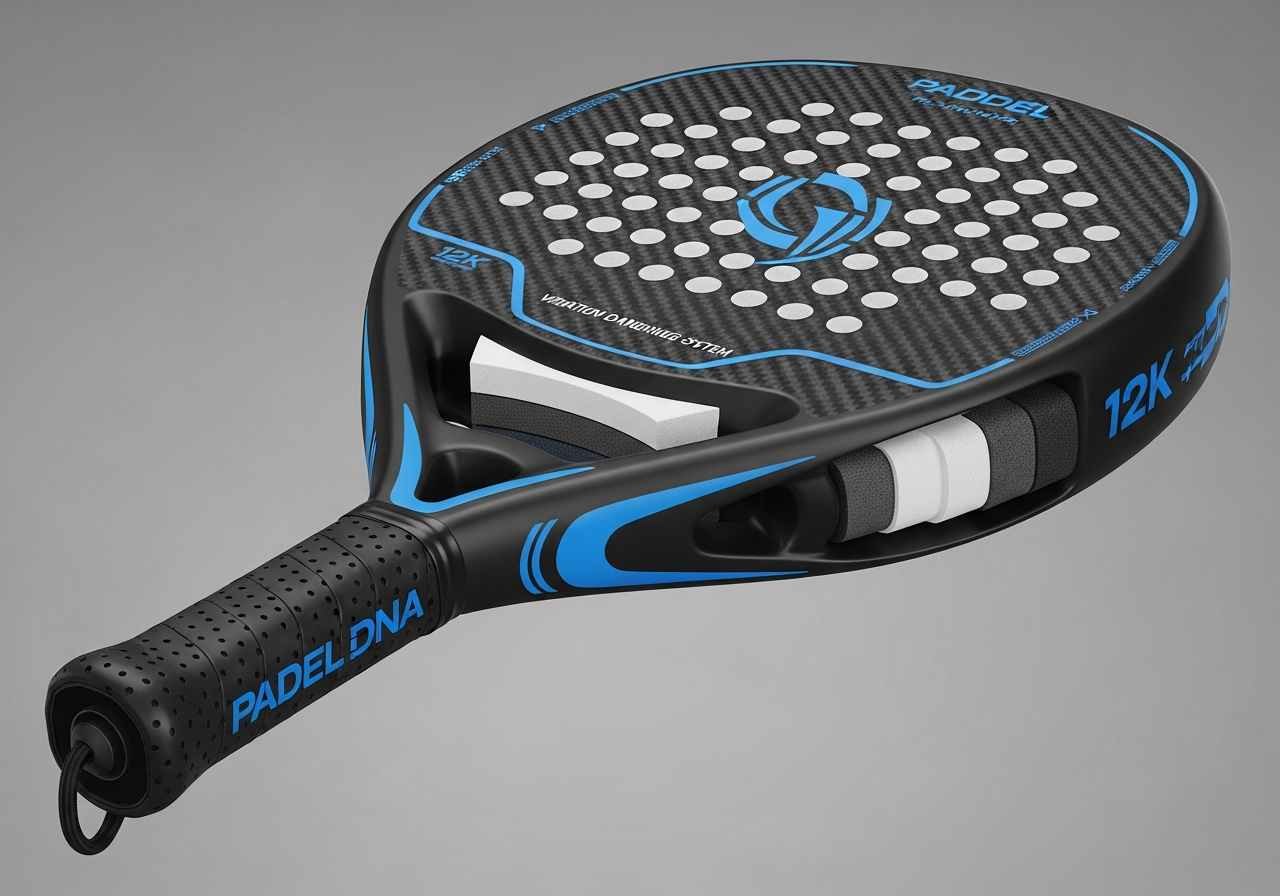
Premium rackets use high-grade carbon such as 12K, 18K, or 24K with engineered reinforcement zones. EVA cores are tuned for optimized rebound and stability. Diamond or performance-focused teardrop shapes provide increased power and sharper response.
Production at this tier relies on CNC-matched molds, multi-stage curing, precise fiber orientation, and detailed finishing systems. Balance and stiffness are digitally measured, ensuring professional-level consistency for every unit delivered to retailers, clubs, or specialized distributors.
How Should Brands and Retailers Structure Pricing?
A clear tiered approach helps satisfy all customer groups:
- Entry Level: $60–$120
- Mid Level: $120–$200
- Premium Level: $200–$300+
Factories support these tiers by adjusting carbon grade, foam density, surface finish, and curing complexity for each category. This ensures stable quality while allowing margin flexibility for different distribution channels.
Conclusion
Most players should spend $60–$300, depending on playing level and performance expectations. Beginners benefit from softer, more affordable designs; intermediate players gain advantages from hybrid constructions; advanced users often require full carbon and reinforced structures. When supported by precise manufacturing—CNC molds, calibrated curing, engineered layup systems, and strict quality inspection—each price category performs reliably and delivers value appropriate to its cost.
These engineering foundations help brand owners, distributors, retailers, clubs, and manufacturing partners build competitive product ranges, ensuring long-term cooperation and strong market positioning.