Weight is one of the most influential factors in padel racket performance. It affects maneuverability, power generation, control accuracy, and long-term comfort during training or match play. Selecting the correct weight ensures a stable playing experience and reduces unnecessary strain.
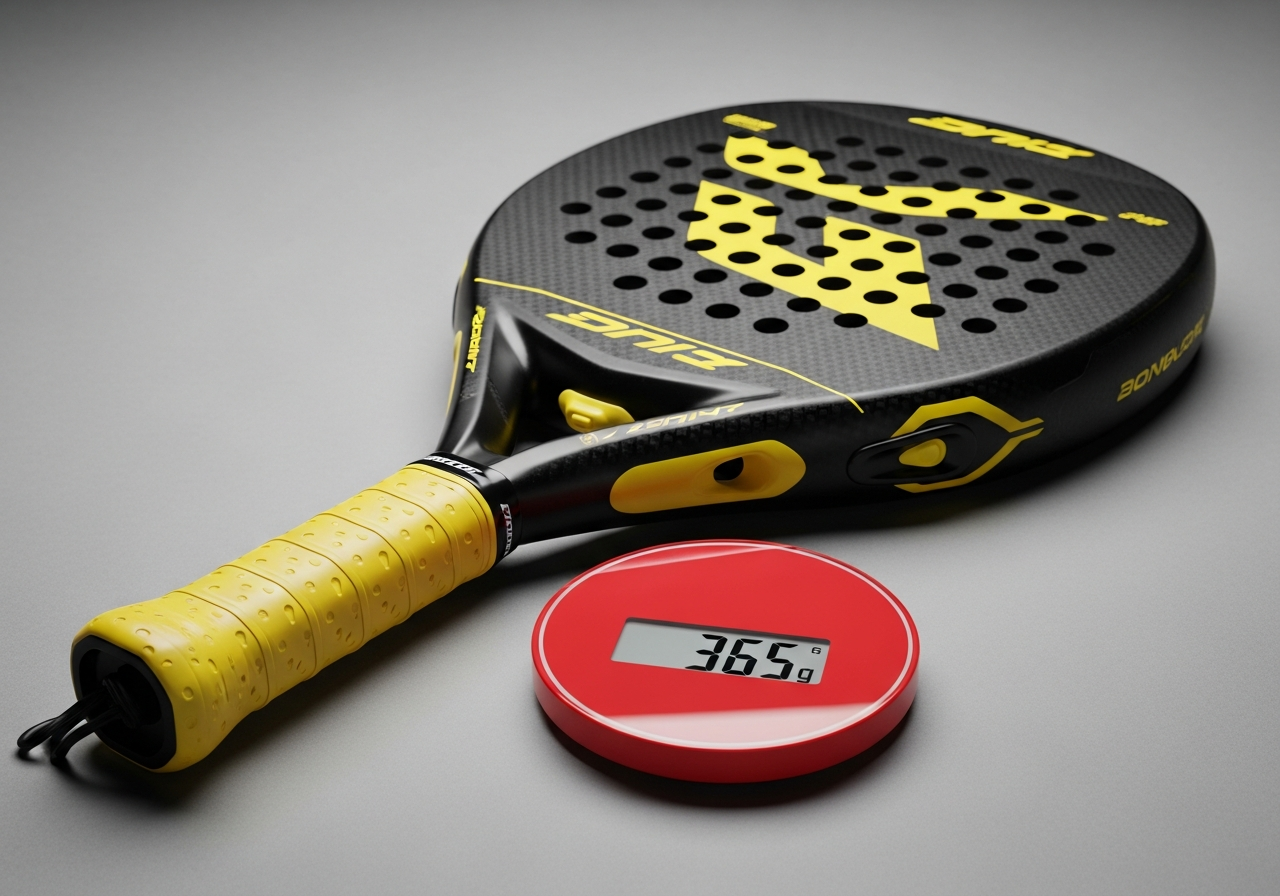
The best weight range for most players is 340–370g, adjusted according to playing level, technique, and preferred balance.
This information supports brand owners, distributors, retailers, clubs, and manufacturing partners in designing product categories or recommending weight selections for different user groups.
Why Is Weight So Important in Padel Racket Performance?
Weight determines how easily a racket accelerates, absorbs impact, and maintains stability during fast exchanges.
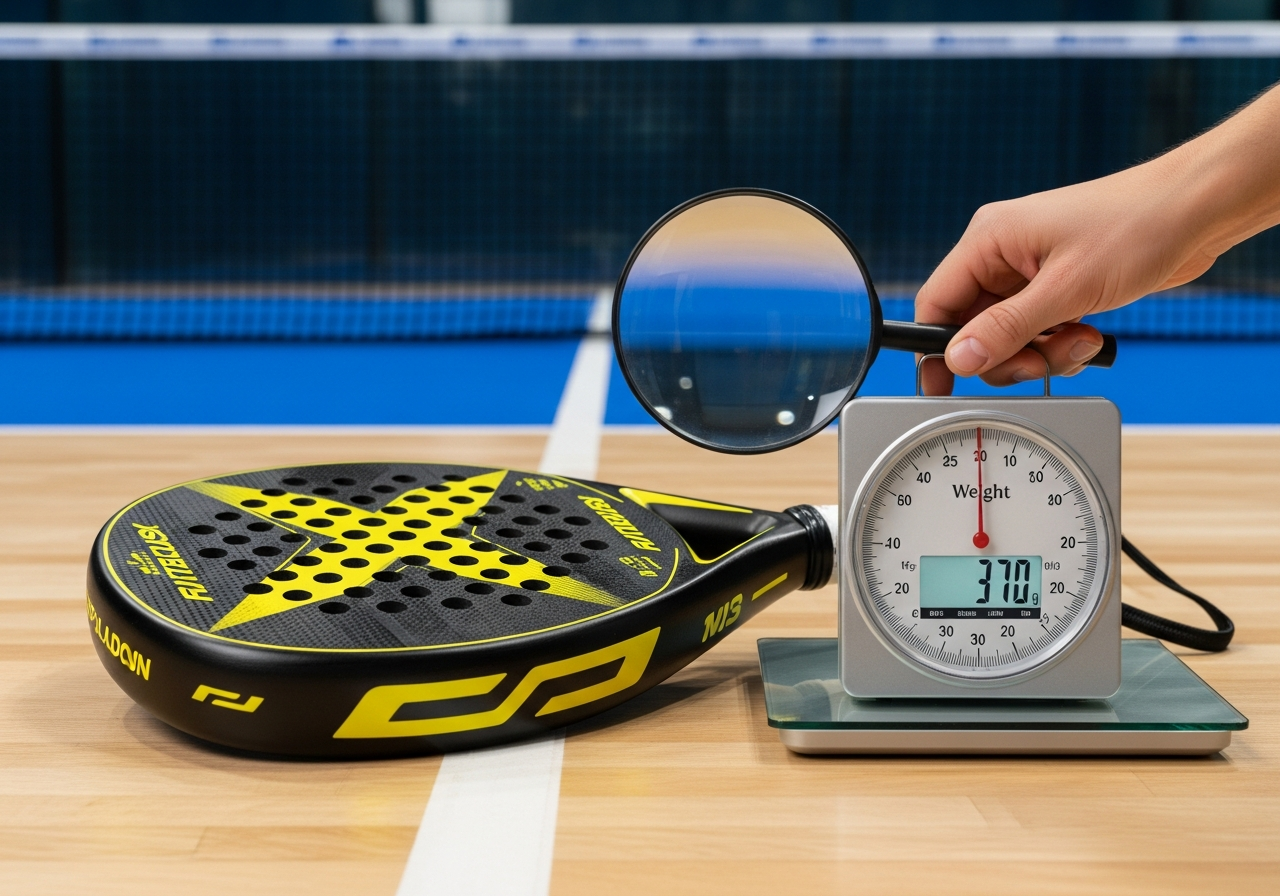
A lighter racket enhances maneuverability and quick reactions, especially during volleys and defensive movements. Heavier rackets generate greater power due to increased momentum but require stronger technique to control. Stability during impact depends on how mass is distributed across the frame.
In professional manufacturing, weight stability comes from accurate carbon layering, controlled resin distribution, and precise mold construction. Digital weight calibration ensures consistent specifications across production batches.
What Weight Range Suits Beginner and Intermediate Players?
Beginners and intermediate players benefit most from weights between 340–360g, prioritizing comfort and control over raw power.
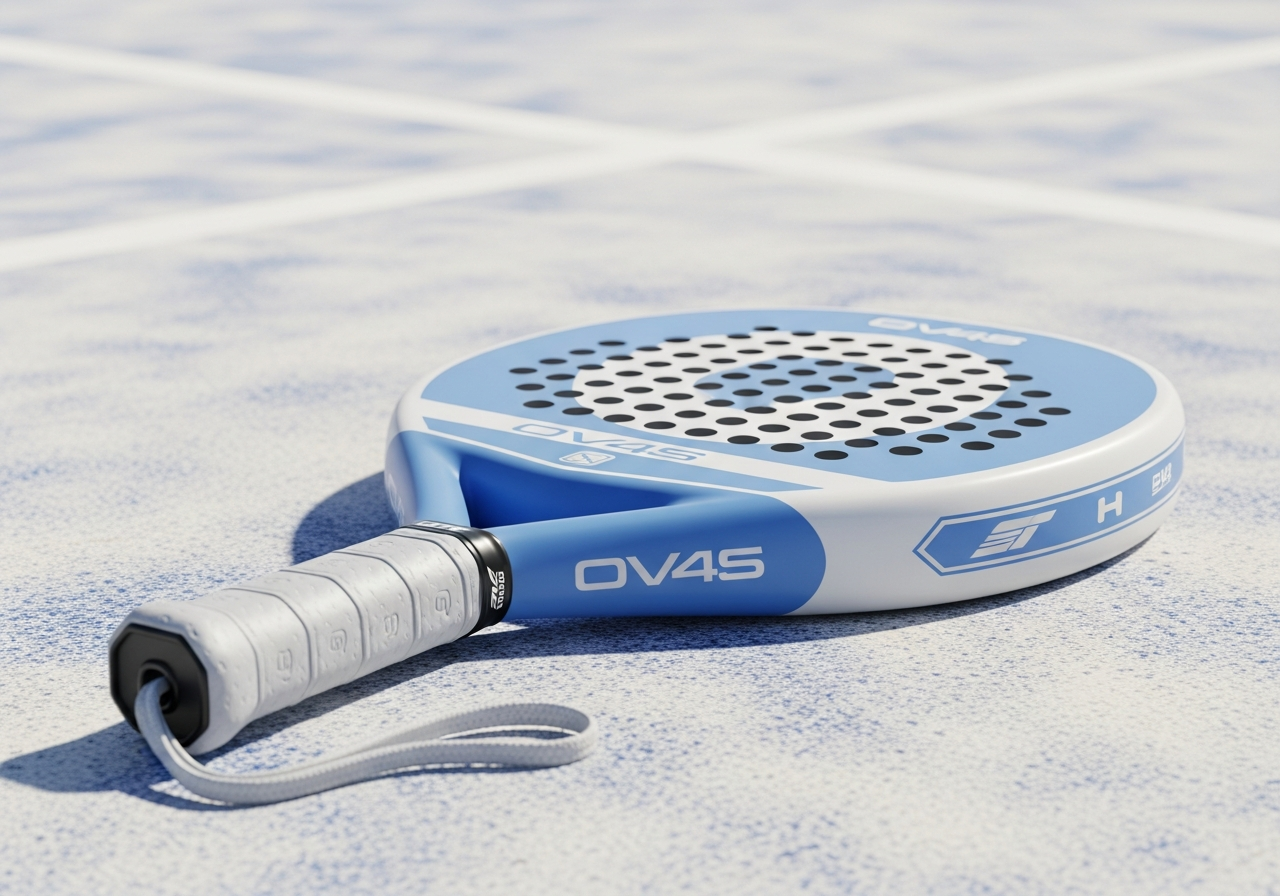
This range keeps the racket responsive without overloading the wrist or elbow. It supports longer hitting sessions, helping players develop proper technique. Balance tends to be more neutral or slightly head-light to improve maneuverability.
During manufacturing, maintaining this weight range requires strict control of fiberglass or hybrid layups. Factories rely on uniform foam density and carefully aligned carbon sheets to avoid unexpected variations in finished weight.
What Weight Range Works Best for Advanced or Power-Oriented Players?
Advanced players often select 360–370g rackets to maximize shot strength and structural stability.
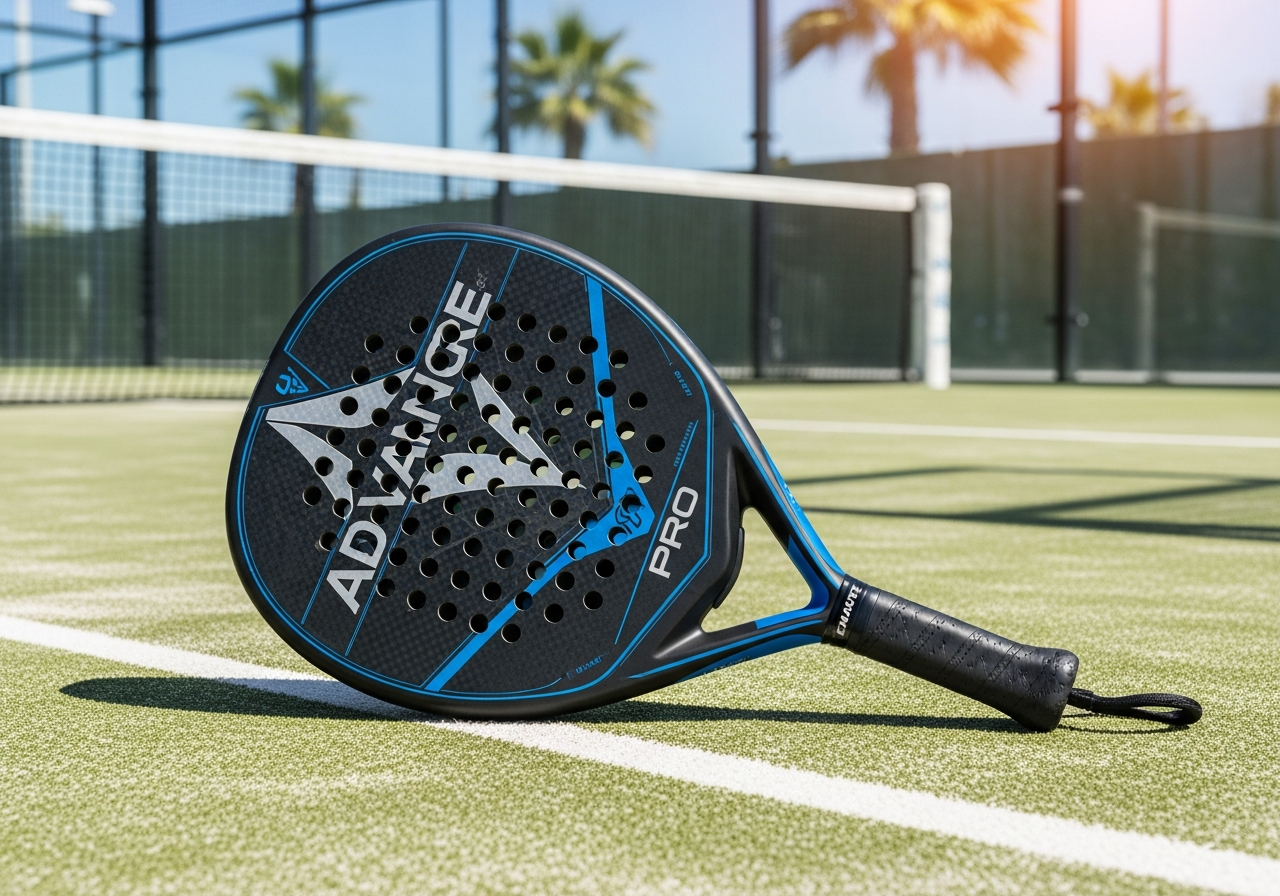
Heavier rackets offer greater momentum, enabling powerful smashes, deeper volleys, and aggressive play from the net. These models typically incorporate high-grade carbon fiber to maintain rigidity under intense force.
Manufacturing teams must reinforce stress zones using additional carbon layers or engineered core structures. Curing cycles are calibrated to prevent deformation under increased material density, ensuring long-term performance consistency.
How Does Balance Influence Weight Performance?
Weight alone does not determine feel; balance placement shapes how the weight behaves in motion.
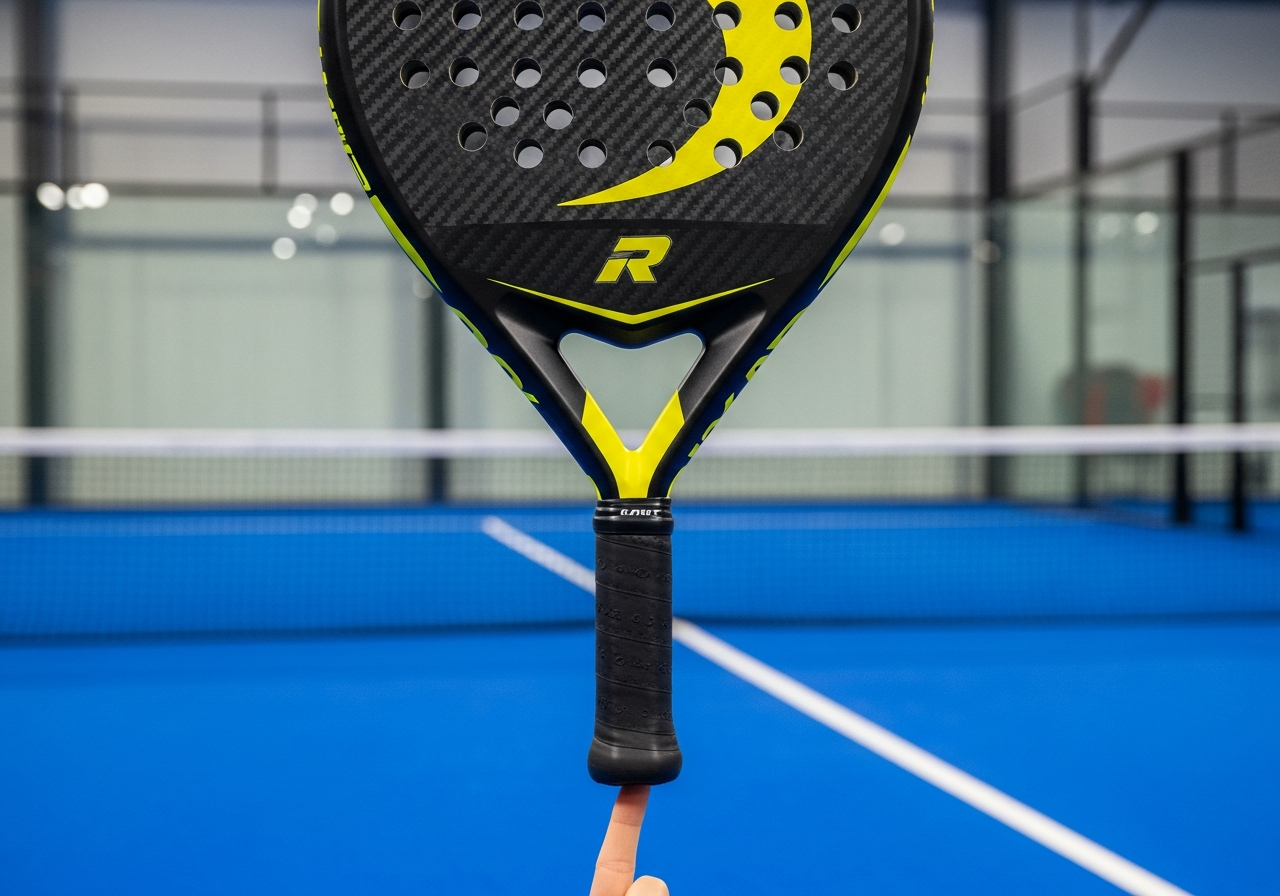
A head-light racket feels faster even if the total weight is higher, while a head-heavy racket feels stronger even if the total weight is moderate. Well-engineered balance creates efficient energy transfer and greater control across all shot types.
In factory production, balance is measured using digital distribution systems. Minor adjustments during finishing—such as grip layering or resin trimming—ensure the racket meets exact specifications.
Why Is Weight Consistency in Manufacturing Essential?
Reliable weight consistency ensures every unit in a product line performs as designed.
Factories maintain consistency through:
- Automated carbon cutting
- Pre-measured fiber layup patterns
- Temperature-controlled curing
- Precision sanding and finishing
- Final digital weight and balance testing
These processes reduce variation across batches, helping retailers, clubs, and distribution partners maintain uniform quality standards.
Conclusion
The best padel racket weight generally falls between 340–370g, with beginners favoring 340–360g for maneuverability and comfort, and advanced players choosing 360–370g for added stability and power. Correct weight selection depends on balance distribution, playing style, and material structure. When supported by precise manufacturing—such as controlled carbon layup, calibrated curing, and accurate weight inspection—rackets deliver predictable, high-quality performance across all units.
Consistent factory engineering allows brand owners, distributors, retailers, clubs, and manufacturing partners to build reliable product lines that meet diverse customer needs while ensuring long-term durability and stable playability.