At first glance, all pickleball paddles might seem similar in shape and size, but there are key differences that can dramatically affect how a paddle performs. While there are official regulations for pickleball paddles, manufacturers offer a wide range of sizes and shapes that cater to different playing styles, skill levels, and player preferences.
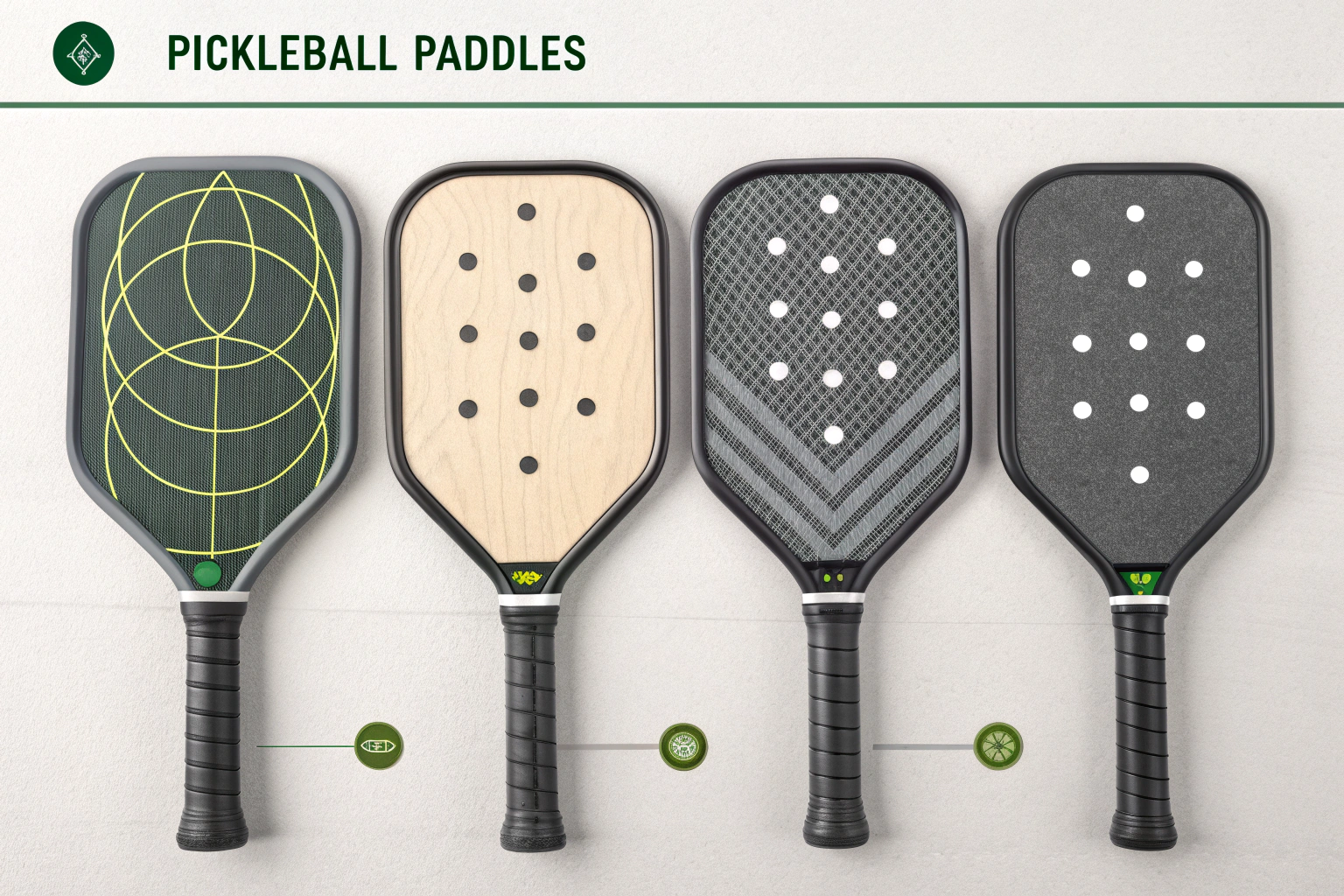
Not all pickleball paddles are the same size. While there are specific regulations governing paddle size, players can choose from a variety of shapes, weights, and balance configurations based on their playstyle.
In pickleball, the total size of a paddle is regulated by organizations like USA Pickleball (USAPA). However, within these guidelines, manufacturers create paddles of varying lengths, widths, and thicknesses, allowing players to find a paddle that suits their individual needs. These differences influence factors like power, control, maneuverability, and comfort.
What are the official size limits for pickleball paddles?
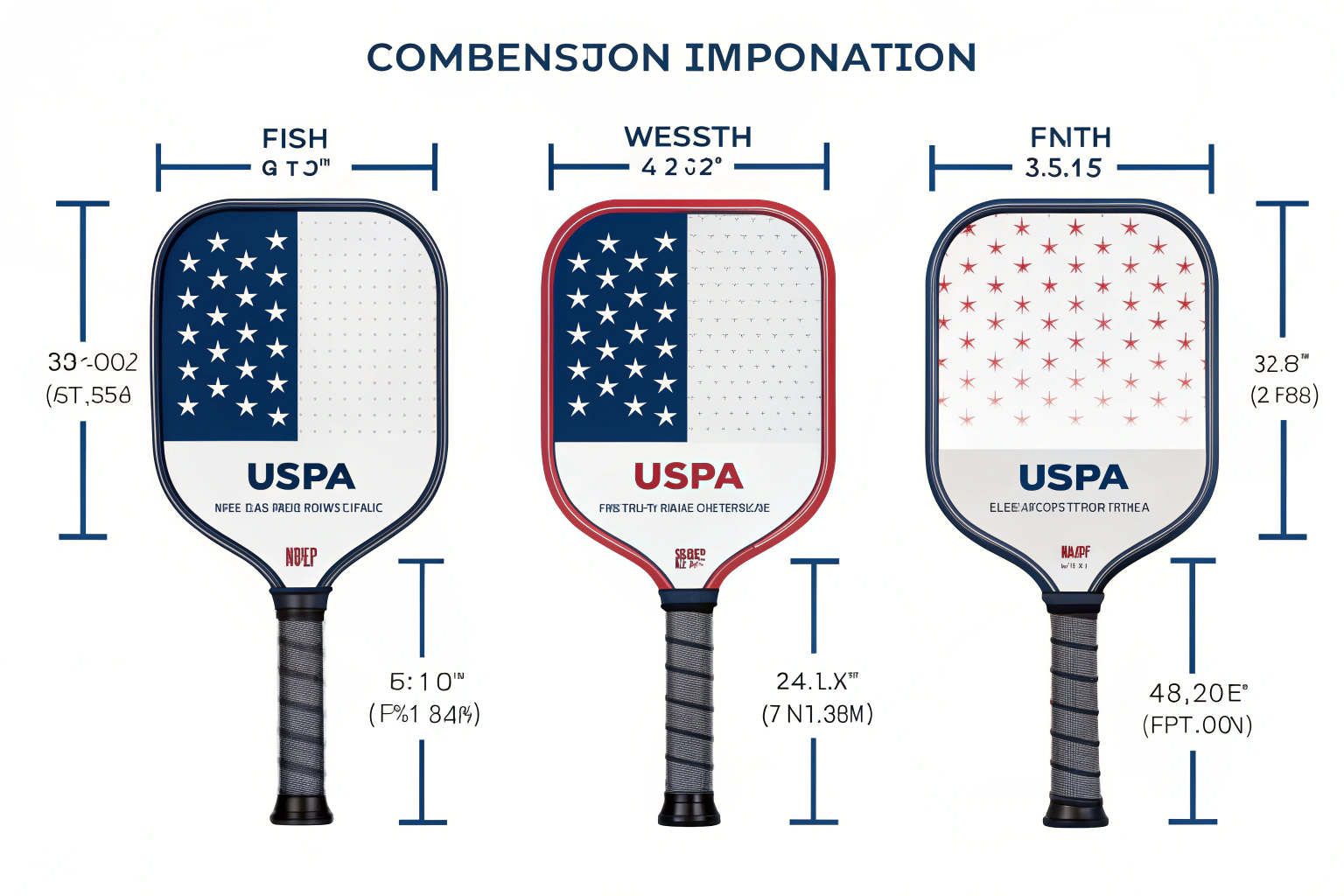
While pickleball paddles must adhere to specific size regulations, there is still room for variation. USA Pickleball (USAPA) and the International Federation of Pickleball (IFP) set guidelines that all paddles must meet for official play.
Regulations specify that the total combined length and width of a paddle must not exceed 24 inches, and the paddle length must not exceed 17 inches.
Official Size Breakdown
- Maximum paddle length: 17 inches
- Maximum combined length + width: 24 inches
- Maximum paddle width: There’s no specific width limit as long as the total combined length and width do not exceed 24 inches.
These size limits ensure consistency across all equipment used in official tournaments, but they leave room for paddles to vary in size, shape, and design.
What factors contribute to differences in paddle size?
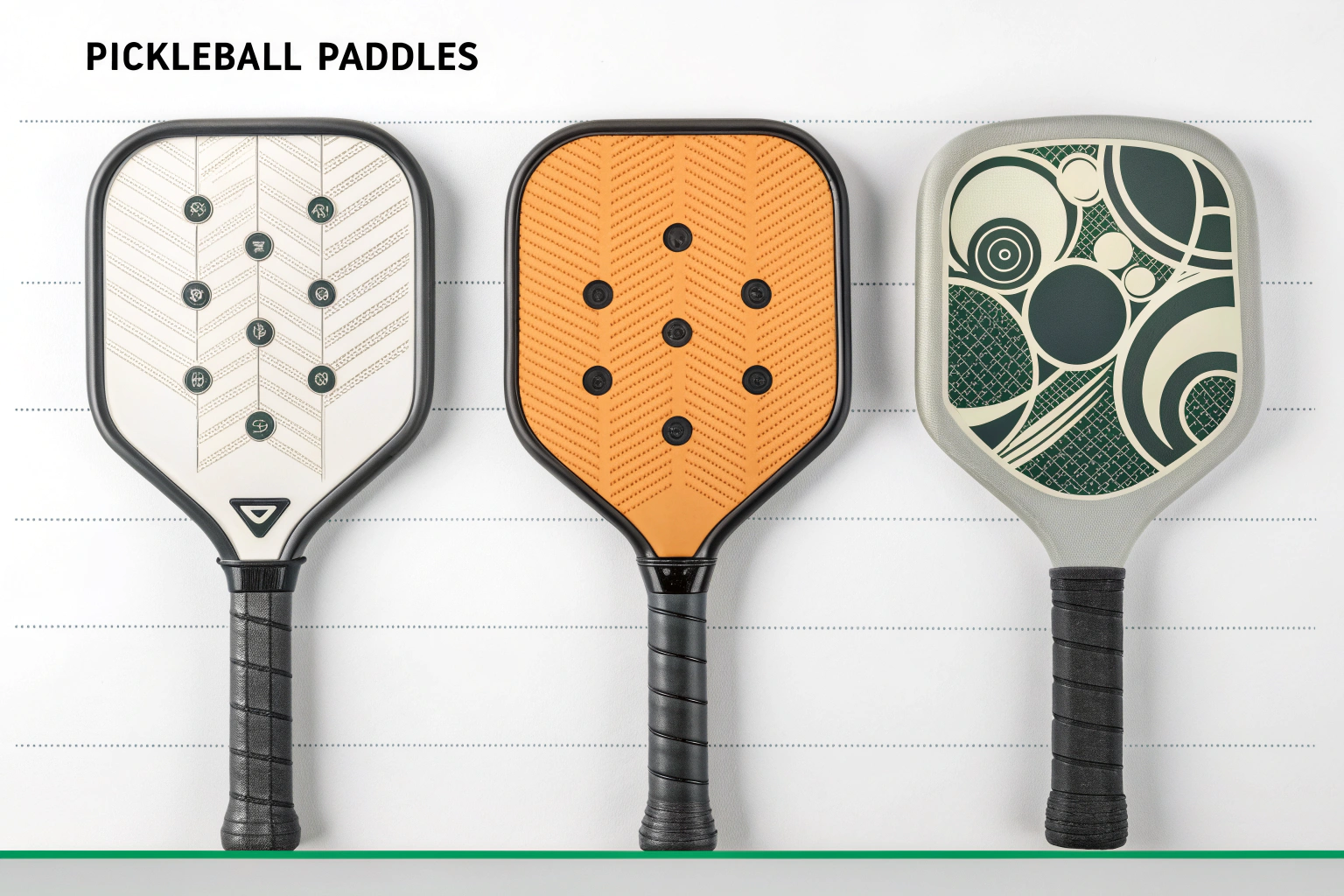
Though the length and width limits are set, the actual size and feel of a paddle depend on several factors such as shape, weight distribution, and the core material. Different paddle shapes, such as wide-body or elongated, affect how the paddle performs on the court.
The size and shape of the paddle influence the sweet spot, control, maneuverability, and overall performance of the paddle.
Common Paddle Shapes
Wide-Body Paddles: These paddles tend to have a larger sweet spot and are designed for control. They are usually shorter in length and wider in width, offering more forgiveness for beginners or players who focus on precision over power.
Elongated Paddles: Elongated paddles have a longer length and narrower width, which increases reach and power. These paddles tend to have a smaller sweet spot and require more precise shot-making, making them ideal for advanced players who focus on aggressive baseline play.
Hybrid Paddles: Hybrid paddles are a combination of wide-body and elongated designs. These paddles balance power and control, making them suitable for intermediate players who want versatility.
| Paddle Shape | Length | Width | Sweet Spot | Best For |
|---|---|---|---|---|
| Wide-Body | 15–16 inches | 8–8.25 inches | Large and forgiving | Beginners, control-focused |
| Elongated | 16–17 inches | 7–7.5 inches | Smaller, but more precise | Advanced, power-focused |
| Hybrid | 15.5–16.5 inches | 7.5–8 inches | Balanced sweet spot | Intermediate, all-around |
Choosing the right shape and size paddle is crucial to your comfort and performance on the court. These design choices influence the paddle’s ability to deliver both power and control, depending on the player’s skill level.
How do paddle weight and balance impact size?

In addition to length and width, the weight and balance of the paddle are critical elements that influence the playing experience. While size determines the paddle’s reach and sweet spot, weight and balance affect how the paddle handles during play.
Heavier paddles tend to provide more power but require more strength to handle, while lighter paddles offer faster reaction times and better control but may lack power.
Weight and Balance Variations
-
Heavier paddles (8+ oz): Provide more power but can be slower to react. These paddles tend to be head-heavy or balanced, which can help with stability and control during powerful shots.
-
Lighter paddles (7–7.5 oz): Offer greater maneuverability and faster reaction times, making them ideal for players who prefer quick net play and control. They tend to have a lower balance point for more responsive handling.
-
Medium-weight paddles (7.5–8 oz): Offer a balanced feel, allowing players to generate both power and control. This weight range is the most common and is suited for most recreational and competitive players.
| Weight Range | Effect on Play | Ideal For |
|---|---|---|
| Light (7–7.5 oz) | Quicker reactions, more control | Beginners, net players |
| Medium (7.5–8 oz) | Balanced power and control | Intermediate players |
| Heavy (8+ oz) | More power, stable volleys | Power players, baseline play |
These variations in weight and balance contribute to the overall feel and usability of the paddle, making it easier for players to select a paddle that fits their playing style.
Do all paddles have the same grip size?
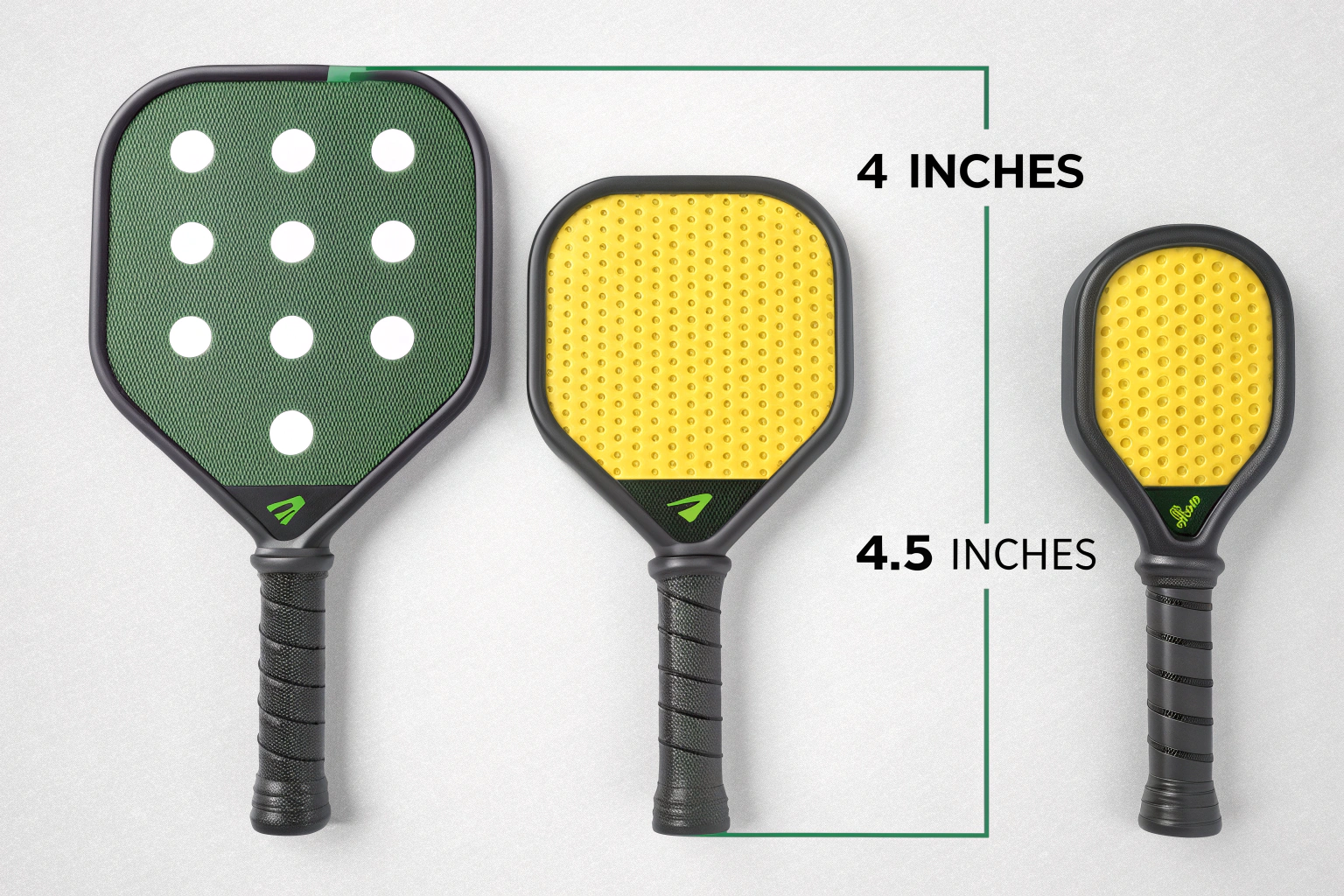
No, grip size is another important aspect that varies between paddles. Grip size determines how comfortably the paddle fits in a player’s hand, and it affects control and comfort.
Grips typically range from 4 inches to 4.5 inches in circumference, with intermediate sizes in between. Choosing the correct grip size prevents hand strain and improves paddle handling.
How to Select the Right Grip Size
- Too small a grip can cause the paddle to slip, leading to mishits and injury.
- Too large a grip can cause tension in the hand, leading to fatigue and poor control.
| Grip Size | Circumference (inches) | Best For |
|---|---|---|
| Small (4–4.125") | 4–4.125 inches | Smaller hands |
| Medium (4.25–4.375") | 4.25–4.375 inches | Average hands |
| Large (4.5–4.75") | 4.5–4.75 inches | Larger hands |
Correct grip size ensures a comfortable and efficient playing experience, contributing to better shot execution and fewer injuries.
Conclusion
Not all pickleball paddles are the same size, even though official regulations limit the dimensions. Paddle length, width, shape, weight, balance, and grip size all influence the paddle’s performance. Manufacturers offer a range of designs to cater to various playing styles, from power-focused paddles with elongated shapes to control-oriented paddles with wider faces. Understanding these differences helps players choose the right paddle for their game. For manufacturers, offering a range of paddle sizes and specifications ensures that players at all levels can find the best fit, enhancing their performance and enjoyment of the game. Whether you prioritize power, control, or a balanced approach, selecting the right paddle size is key to maximizing your pickleball experience.