When looking at pickleball paddles, the price range can be startling—some models cost under $30, while others are priced above $200. The key question many players ask is, “Is the expensive paddle really worth it?” Understanding the differences between cheap and expensive paddles is crucial for making an informed decision.
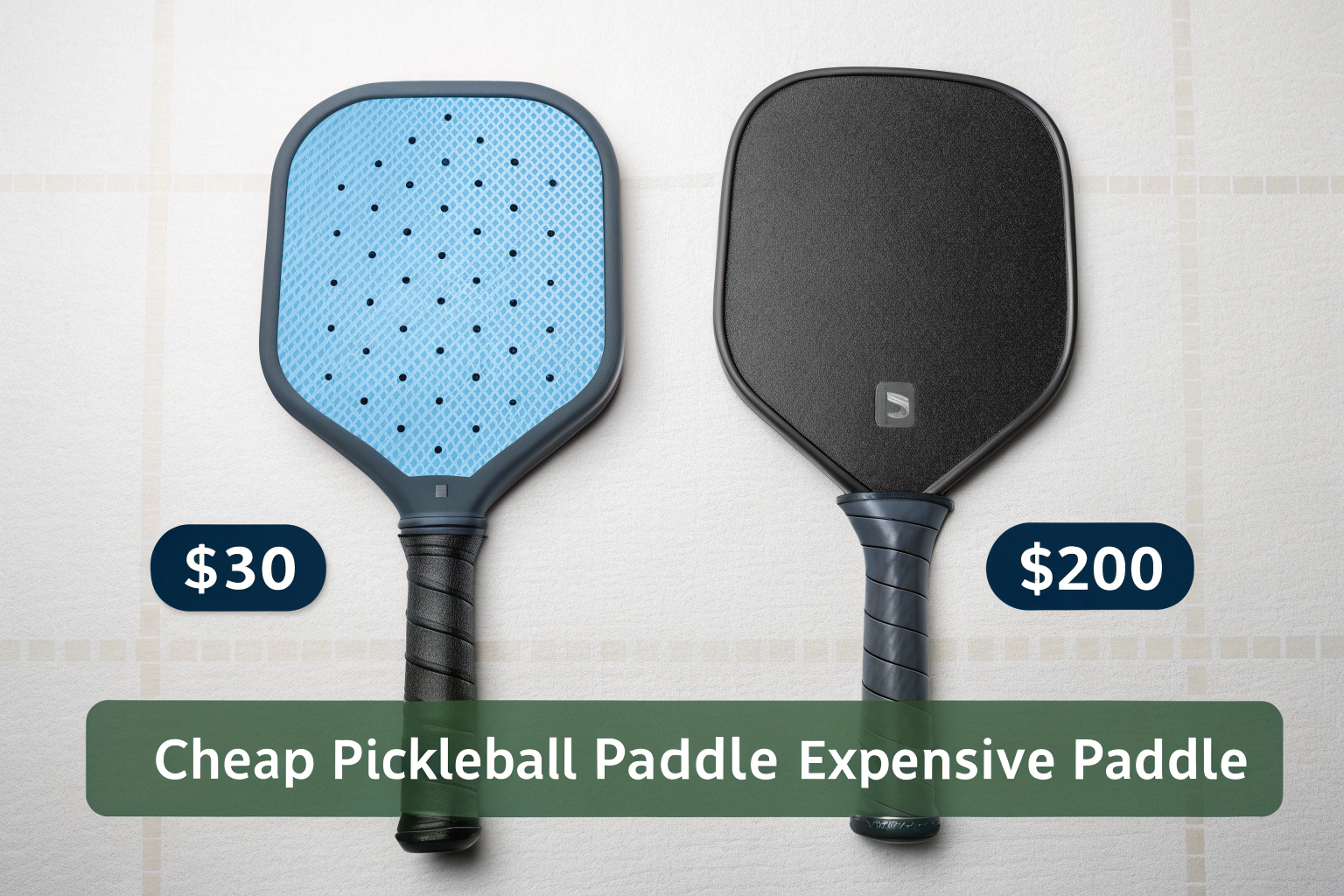
The primary differences between cheap and expensive pickleball paddles lie in materials, construction quality, durability, and performance. Expensive paddles use advanced materials that enhance control, power, and feel, whereas cheaper paddles often compromise on these factors.
Pickleball paddles are constructed from various materials, each influencing the paddle’s responsiveness, weight, and durability. Manufacturers prioritize different aspects such as performance, longevity, and ease of use, which ultimately explains the price difference.
What are the key differences in materials?
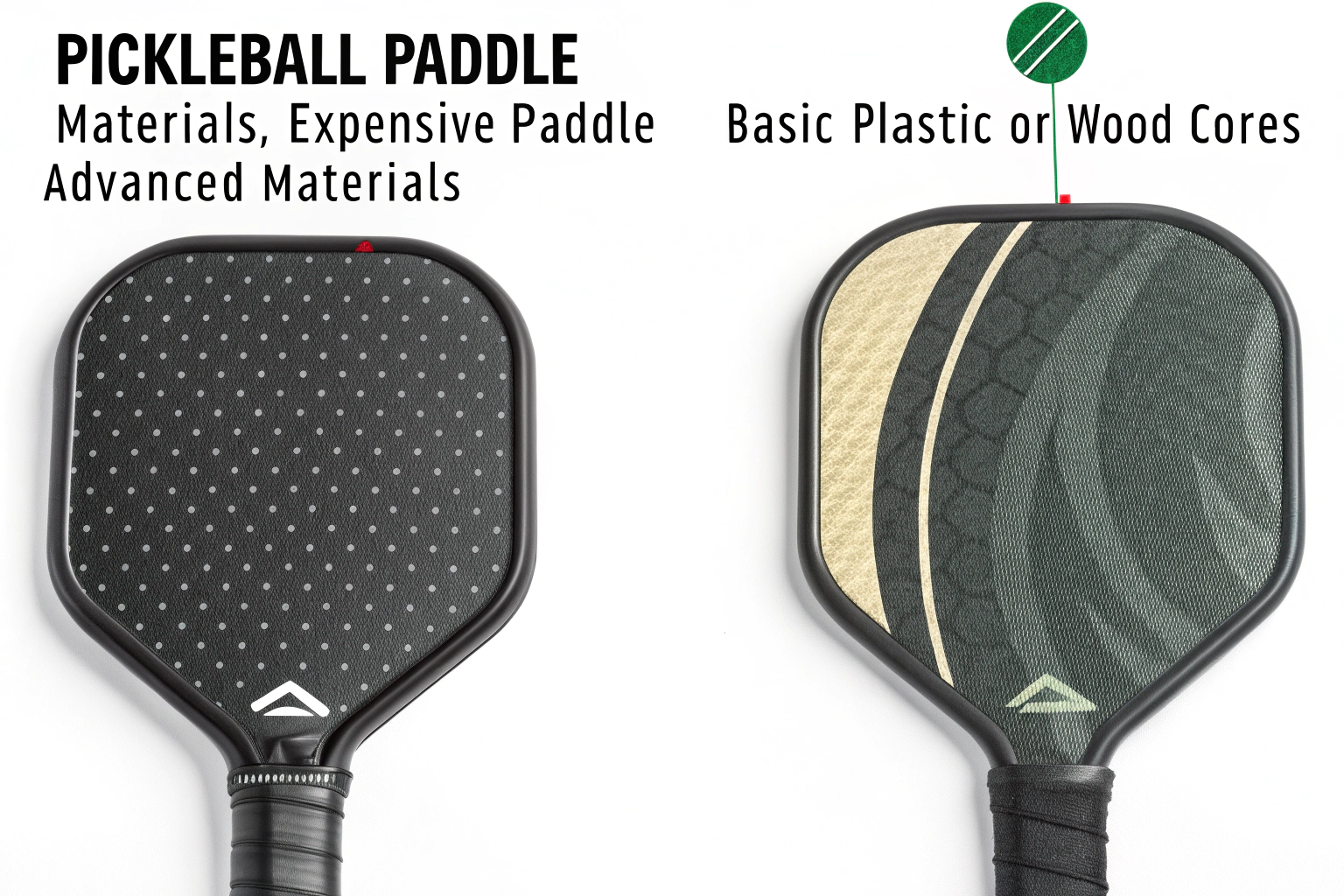
The materials used in the core and face of the paddle significantly affect how it performs during play. Expensive paddles often use advanced materials such as carbon fiber, fiberglass, and polymer honeycomb cores, while cheaper paddles typically use basic plastic or wood cores.
Expensive paddles feature high-quality materials like carbon fiber and fiberglass for better durability, improved feel, and enhanced power, while cheaper paddles typically use simpler, less responsive materials.
Materials and performance impact
- Core materials: High-end paddles use polymer honeycomb cores, which provide a perfect balance between power and control. Cheaper paddles tend to use solid or low-density foam cores, which may lack the responsiveness and feel of their more expensive counterparts.
- Face material: Expensive paddles often feature carbon fiber or fiberglass faces, which enhance ball control and shot precision. Less expensive paddles may have plastic or composite faces that are less responsive and absorb less shock.
- Durability: High-quality materials provide a longer lifespan. Expensive paddles are built to last, while cheaper paddles tend to wear out more quickly due to lower-grade components.
| Material Type | Cheap Paddle | Expensive Paddle |
|---|---|---|
| Core Material | Low-density foam | Polymer honeycomb |
| Face Material | Plastic/Composite | Carbon Fiber/Fiberglass |
| Durability | Shorter lifespan | Long-lasting |
| Responsiveness | Lower rebound | Enhanced control and power |
The difference in material quality explains why expensive paddles provide superior performance, consistency, and longevity.
How does weight and balance differ?
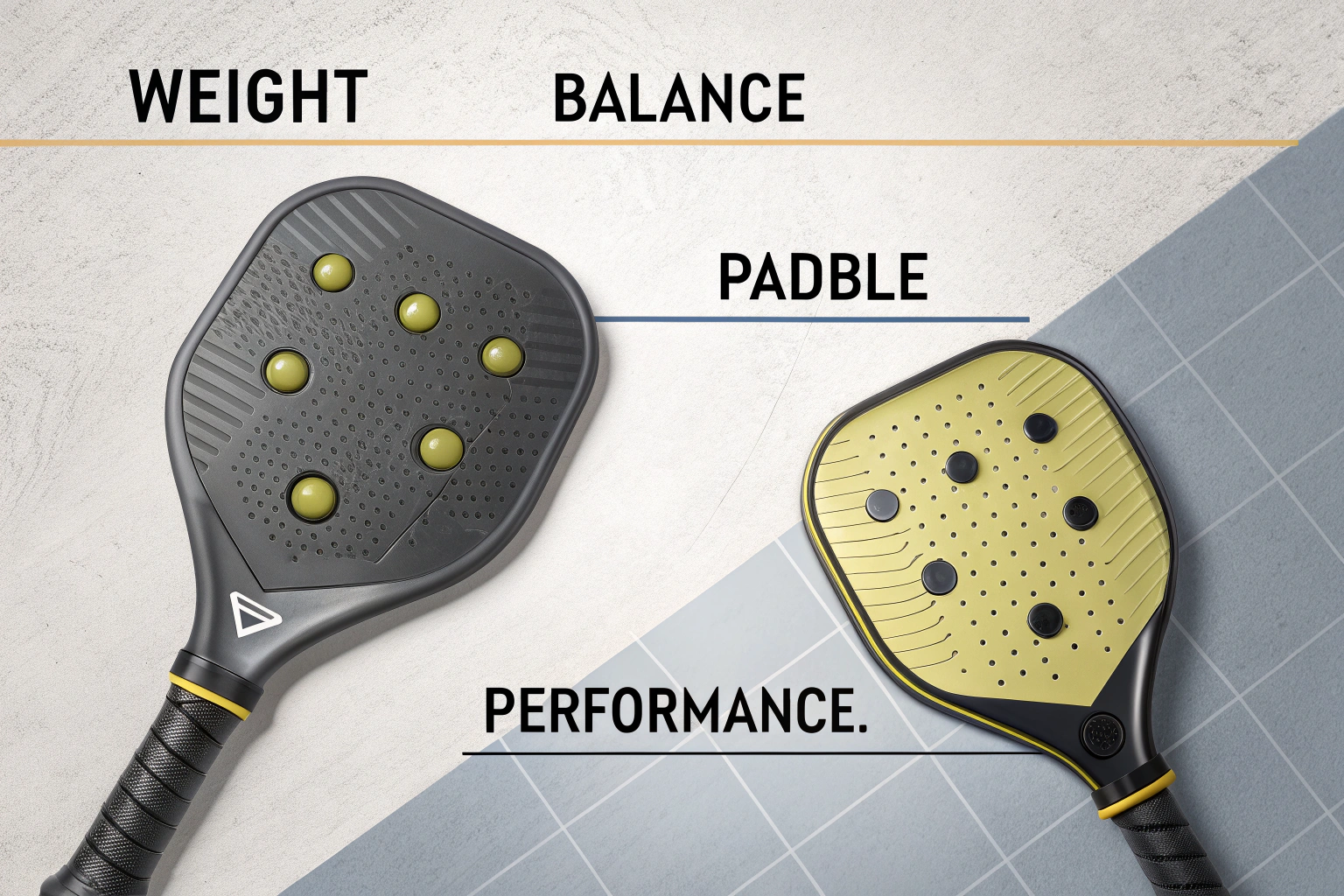
Weight and balance are crucial factors that affect how a paddle feels during play. Heavier paddles offer more power, while lighter paddles provide faster reaction times and greater control.
Expensive paddles are more likely to have optimized weight distribution for better balance, while cheaper paddles may feel unbalanced or too heavy, affecting shot accuracy.
Weight and balance considerations
- Heavier paddles (usually around 8 oz or more) offer more power, but can be harder to maneuver. High-end paddles typically use advanced engineering to maintain a balanced feel, which reduces fatigue and provides a smoother swing.
- Lighter paddles (typically 7 oz or less) offer quicker reaction times and better control, making them suitable for net play and quick volleys. Expensive paddles tend to be more refined in terms of weight distribution, ensuring that the paddle feels stable and balanced in the player’s hand.
| Paddle Type | Cheap Paddle | Expensive Paddle |
|---|---|---|
| Weight | Heavier or unbalanced | Custom-weighted |
| Balance | Front or rear-heavy | Optimized for control |
| Swing Feel | Less maneuverable | Fast and controlled |
The balance in expensive paddles allows players to generate both speed and accuracy without sacrificing one for the other, which is often a limitation in cheaper models.
What are the differences in power and control?
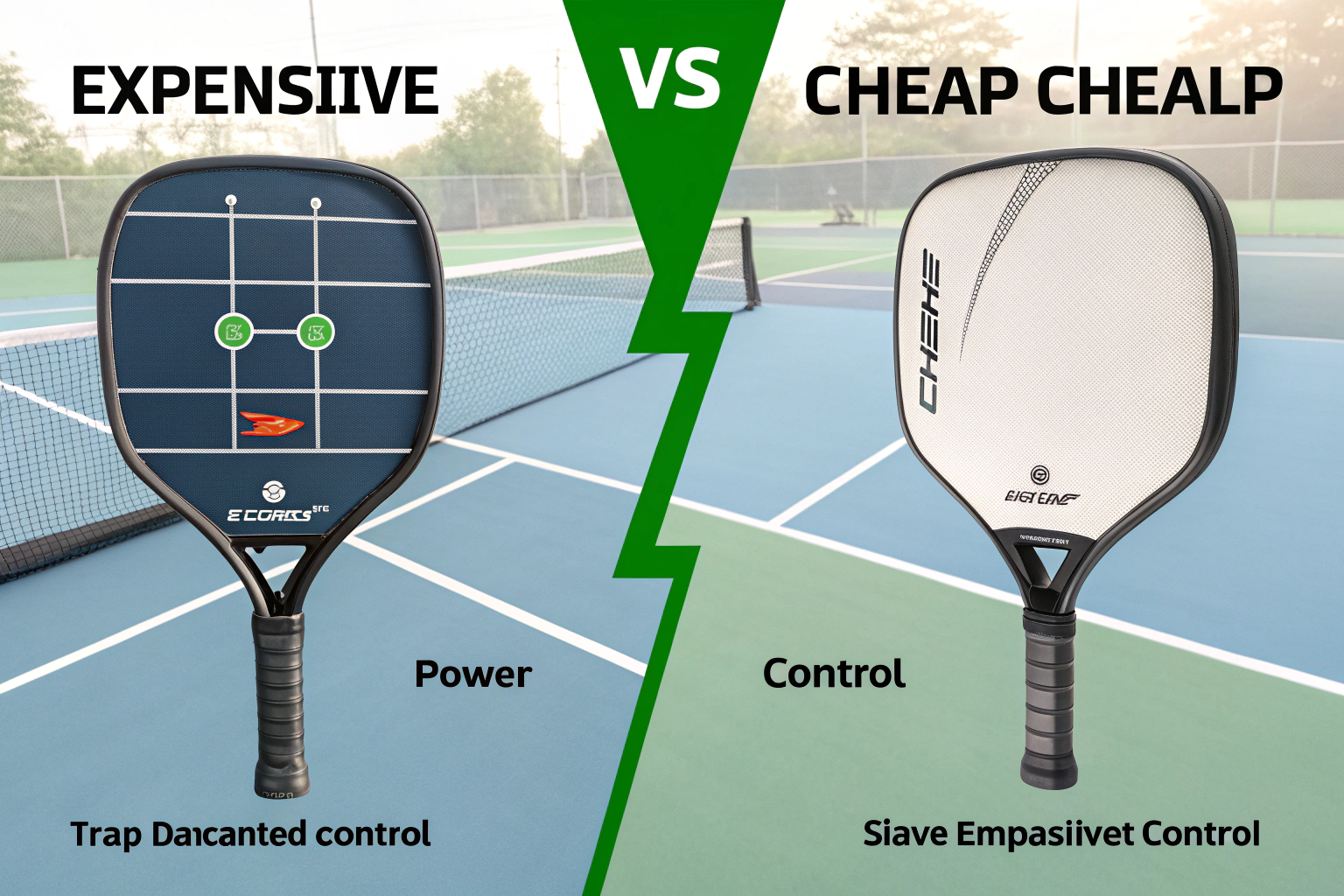
Power and control are two fundamental aspects of pickleball. The materials and construction of a paddle directly impact both, and a higher price typically translates to better performance in these areas.
Expensive paddles provide a better combination of power and control, thanks to superior materials, optimized construction, and advanced design techniques. Cheaper paddles often prioritize one over the other or fail to deliver on both.
Balancing power and control
- Expensive paddles are designed to maximize both power and control, with carbon fiber faces that deliver a quick rebound and precise ball placement, while maintaining a large sweet spot. These paddles allow players to fine-tune their shots with accuracy.
- Cheaper paddles tend to be more limited in terms of shot precision and power, often producing inconsistent results, particularly on off-center hits. Players may need to adjust their playing style to accommodate for this lack of control.
| Paddle Type | Cheap Paddle | Expensive Paddle |
|---|---|---|
| Power | Lower power | High power with control |
| Control | Lower consistency | Superior shot placement |
| Sweet Spot | Smaller | Larger, more forgiving |
The ability to control ball placement while generating power is one of the key advantages of using a high-end paddle. Cheaper paddles often lack this balance, which can limit a player’s performance.
What about vibration control and comfort?
Vibration is an important factor that affects comfort and injury prevention. Excessive vibration from poorly made paddles can lead to discomfort or even long-term injuries like tennis elbow.
Expensive paddles are designed to minimize vibration, providing a more comfortable playing experience. Cheaper paddles often do not have the same level of vibration control, leading to discomfort during extended play.
Vibration dampening technology
- Expensive paddles often feature advanced vibration dampening technology, including specialized cores, shock-absorbing handles, and materials designed to reduce the impact on the player’s arm.
- Cheaper paddles usually lack these features, resulting in higher vibration, which can cause discomfort and fatigue after extended play.
| Feature | Cheap Paddle | Expensive Paddle |
|---|---|---|
| Vibration Control | Minimal or none | Advanced dampening system |
| Comfort | Less comfortable | Comfortable, arm-friendly |
| Injury Prevention | Higher risk of strain | Reduces joint stress |
For players with a history of joint issues or those who play frequently, investing in a paddle with better vibration control reduces the risk of injury and enhances comfort.
Conclusion
The differences between cheap and expensive pickleball paddles come down to material quality, performance, durability, and comfort. While cheaper paddles may be suitable for beginners or casual players, they often lack the power, control, and comfort offered by high-end models. Expensive paddles use advanced materials such as carbon fiber, provide optimized weight distribution, and feature superior vibration dampening to offer a better overall playing experience. For players looking to improve their game, investing in a higher-quality paddle can make a significant difference in both performance and comfort, leading to a more enjoyable and sustainable pickleball experience.