Power isn’t just about strength—it also comes from how the racket is built. Racket size influences energy transfer, swing mechanics, and overall shot depth.
A larger racket head increases power by offering a bigger sweet spot and more trampoline effect. A smaller head gives more control but requires precise timing.
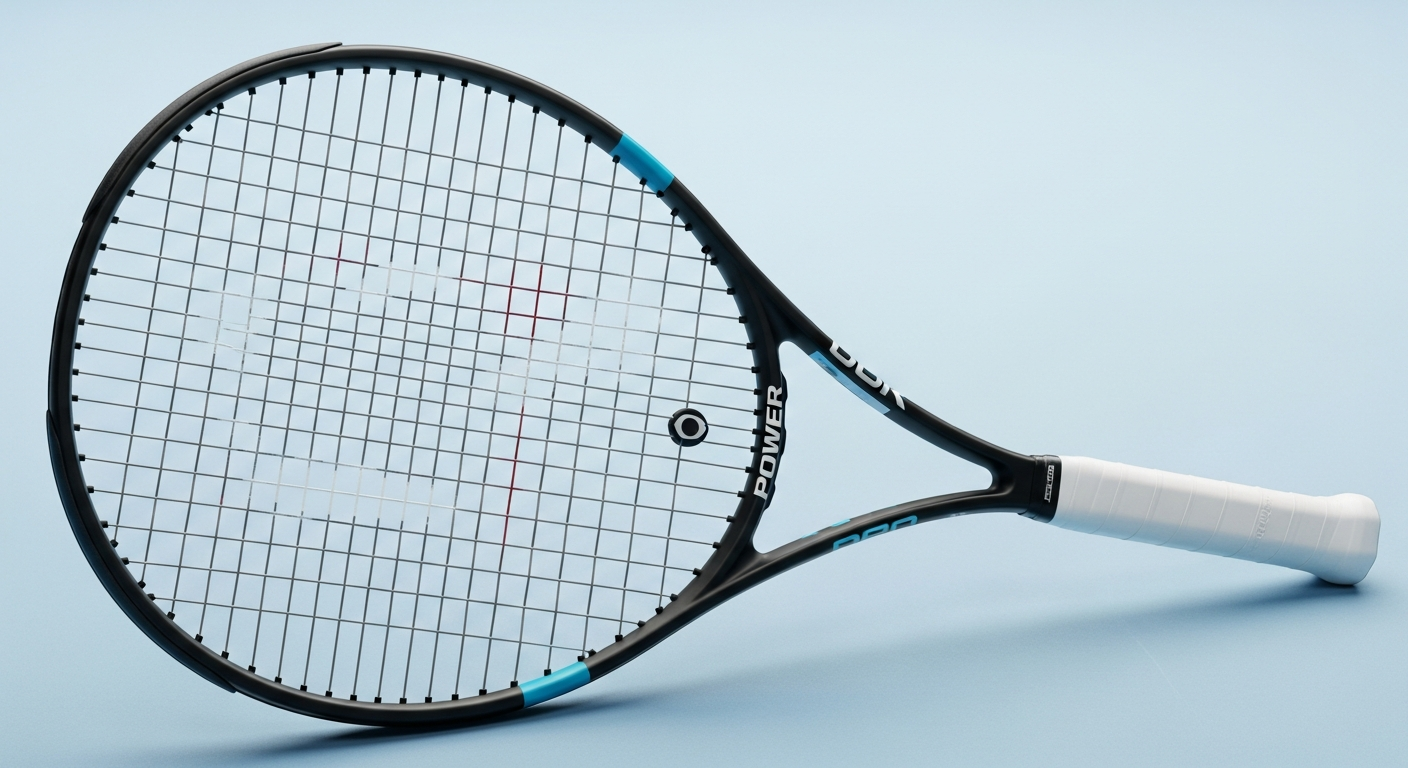
Understanding the relationship between size and power helps find the best setup for skill level and playing style.
What part of racket size impacts power the most?
While overall length matters, head size has the strongest influence on power generation.
Larger head sizes provide more surface area and allow more energy return on ball impact.
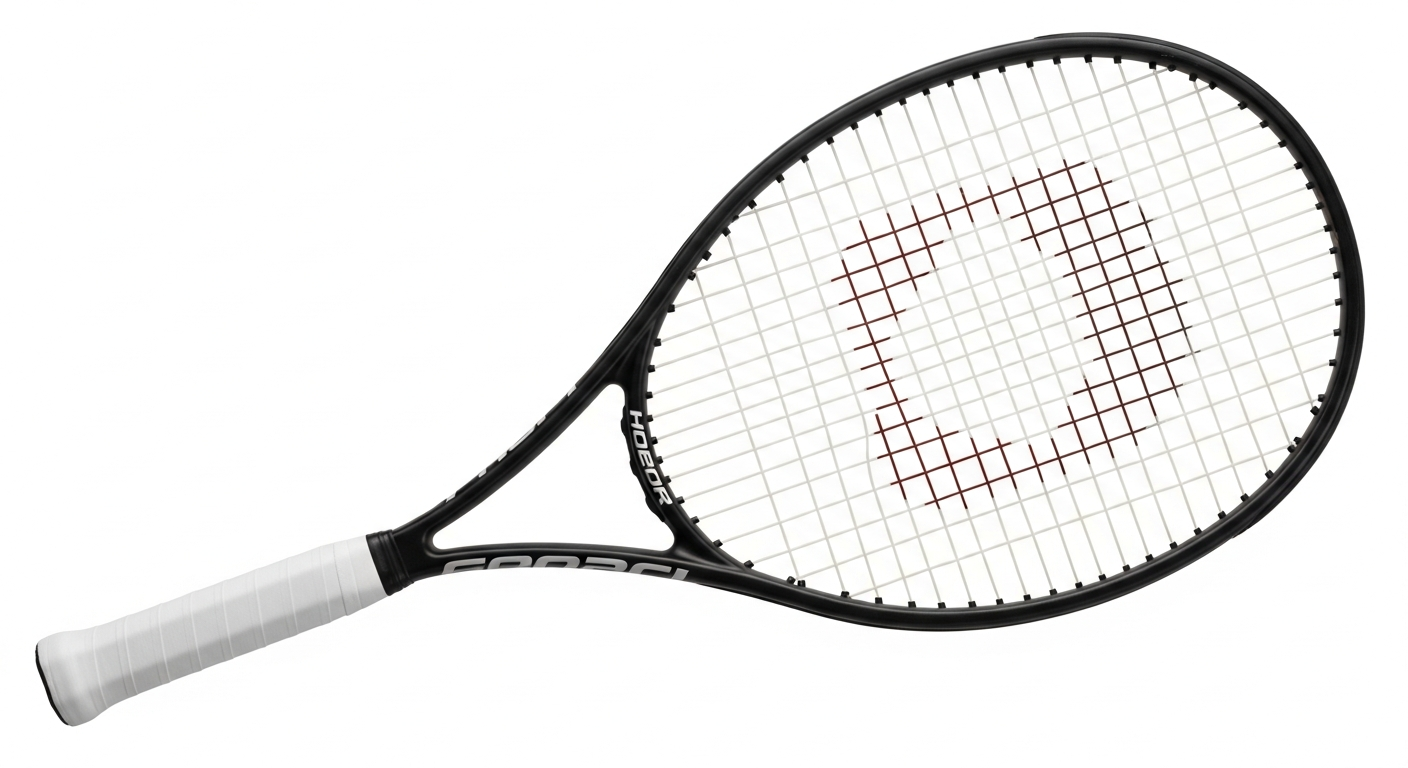
Typical head sizes range from 85 to 115 square inches. Oversized heads (100–115 sq in) create a trampoline effect—more flex on impact means more rebound. This boosts shot speed, even with slower swings. Mid-size heads (85–98 sq in) require precise contact but reward clean hits with sharp control. For those needing extra help on deep shots, a larger head brings clear power advantages.
Does racket length also increase power?
Yes. Longer rackets increase leverage, which adds force to swings.
Extended-length rackets (over 27 inches) increase reach and give extra power on serves and groundstrokes.
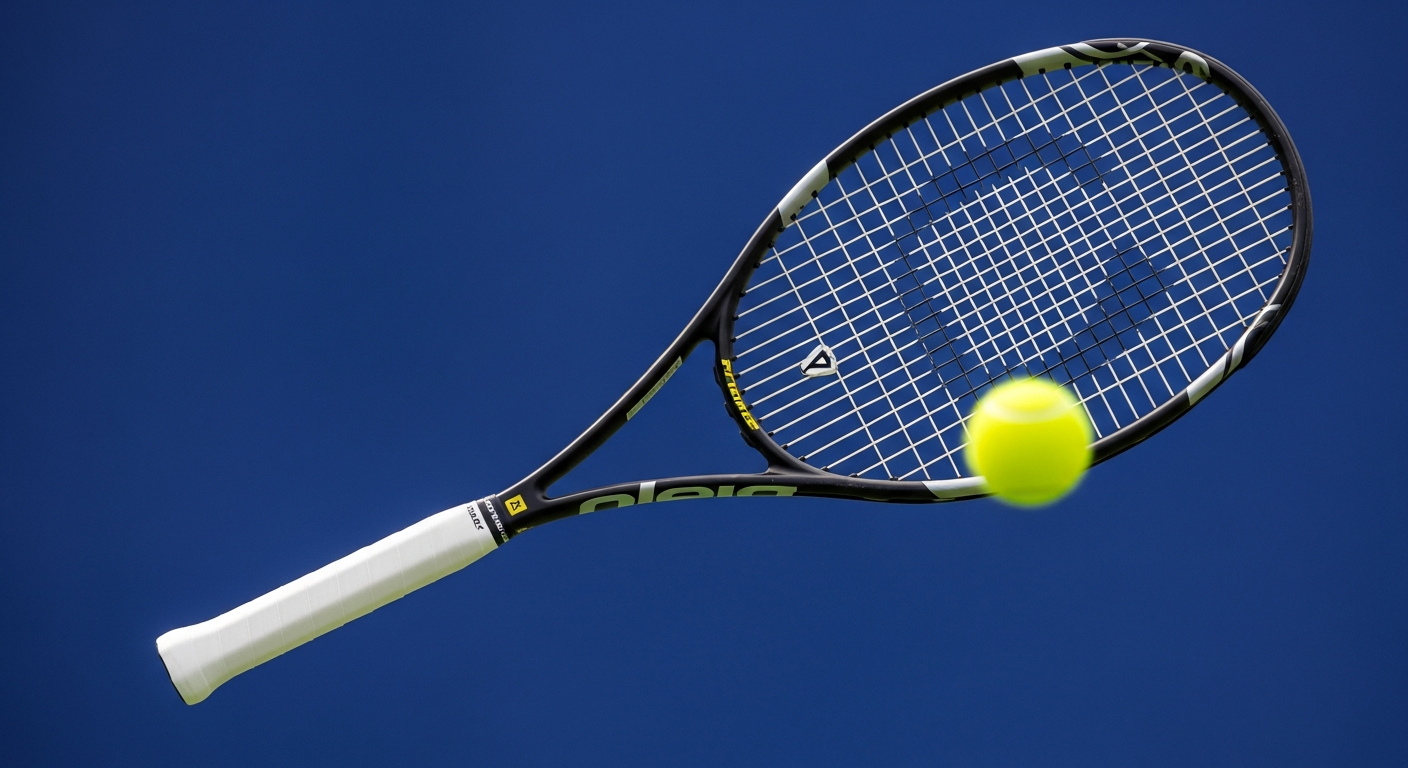
A longer frame adds swing momentum due to the extended arc. The downside is slightly reduced maneuverability, especially at the net. Many power-focused rackets stretch to 27.5 inches, balancing reach and control. For shorter players or those with compact strokes, this added length can bring noticeable gains in depth and speed.
How does frame thickness affect power?
Frame profile changes stiffness and flex, both of which affect shot energy.
Thicker beams offer more rigidity, resulting in stronger ball rebound and added shot velocity.
Rackets with beam widths over 24 mm are considered thick. These minimize energy loss at impact, ideal for aggressive play. Thinner frames flex more, giving better feel but absorbing some of the energy. For players who like to swing big but want extra help on force, thick-beam designs boost output without needing extra effort.
What is the trade-off between size and control?
As size increases, control can decrease. It’s a balance between power assistance and precision.
Larger rackets provide power but reduce shot accuracy. Smaller rackets demand clean technique but reward with tight control.

Oversized heads are more forgiving on off-center hits but less sharp in direction. Mid-size frames allow better ball placement but punish timing errors. Players seeking a blend often go with mid-plus (98–105 sq in) designs, which offer a mix of both. For those confident in their swing mechanics, a smaller head may improve confidence in shaping shots.
Does string pattern matter with racket size?
Yes. String layout interacts with head size to affect power, spin, and feel.
Open string patterns (16x19) in large heads enhance bounce and power. Dense patterns (18x20) offer control in smaller heads.
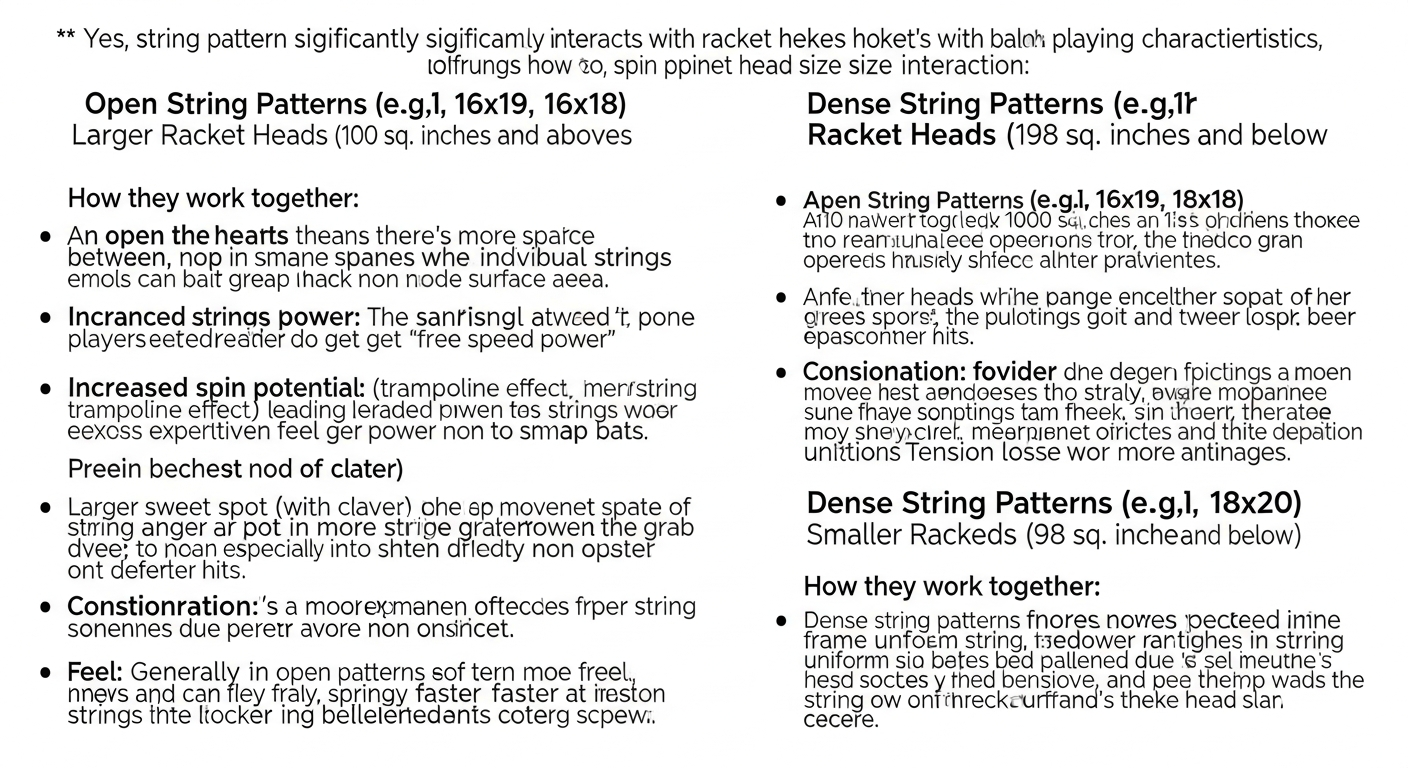
A large head with an open pattern maximizes dwell time and launch angle. This makes it easier to hit deep and with topspin. Closed patterns reduce movement and flatten trajectory, offering better direction but less natural boost. Matching head size and pattern ensures the racket performs as expected.
How does core stiffness in padel rackets relate to power?
In padel, while head size is fixed, thickness and core hardness act as power drivers.
Thicker cores and stiffer materials increase rebound, giving more power per shot.
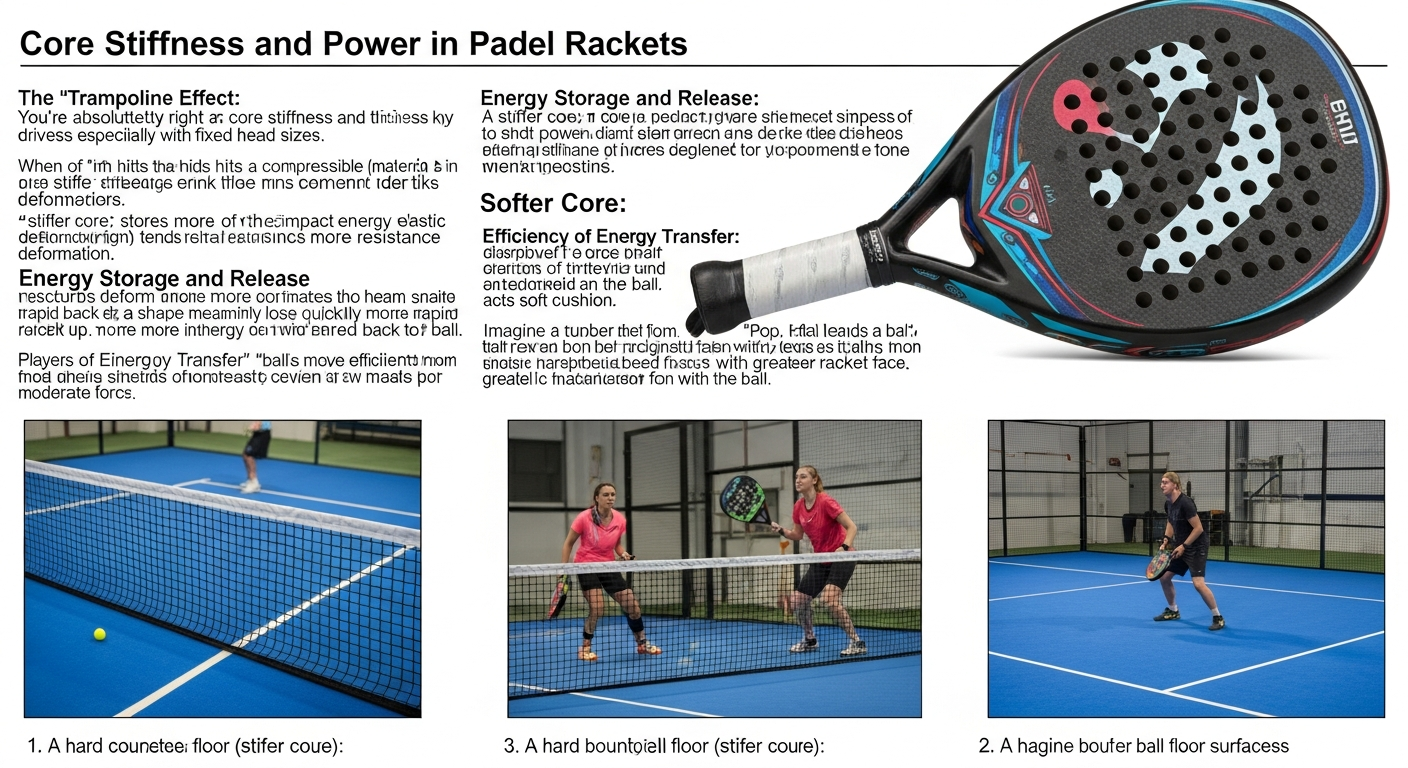
A 38mm thick core paired with a hard EVA foam creates higher exit speed. These rackets suit attacking players who want fast, deep shots. Softer cores, while more comfortable, absorb more impact and slow the ball slightly. For power-focused play, pairing racket build with hard foam and a stiff frame delivers the best results.
Conclusion
Racket size—especially head size and length—has a direct impact on power. Bigger heads and longer frames boost energy transfer, helping players hit deeper with less effort. Thicker beams and the right string pattern further enhance this effect. However, size alone isn’t enough. Power must be balanced with control and comfort to avoid missed shots or fatigue. The best setup matches swing mechanics, physical strength, and style for efficient, confident play.