
As pickleball continues to grow in popularity, more beginners are joining the sport. Choosing the right paddle is crucial for new players, as it can significantly impact their comfort, performance, and overall experience on the court. The right paddle will make it easier to learn the game, enhance control, and minimize fatigue.
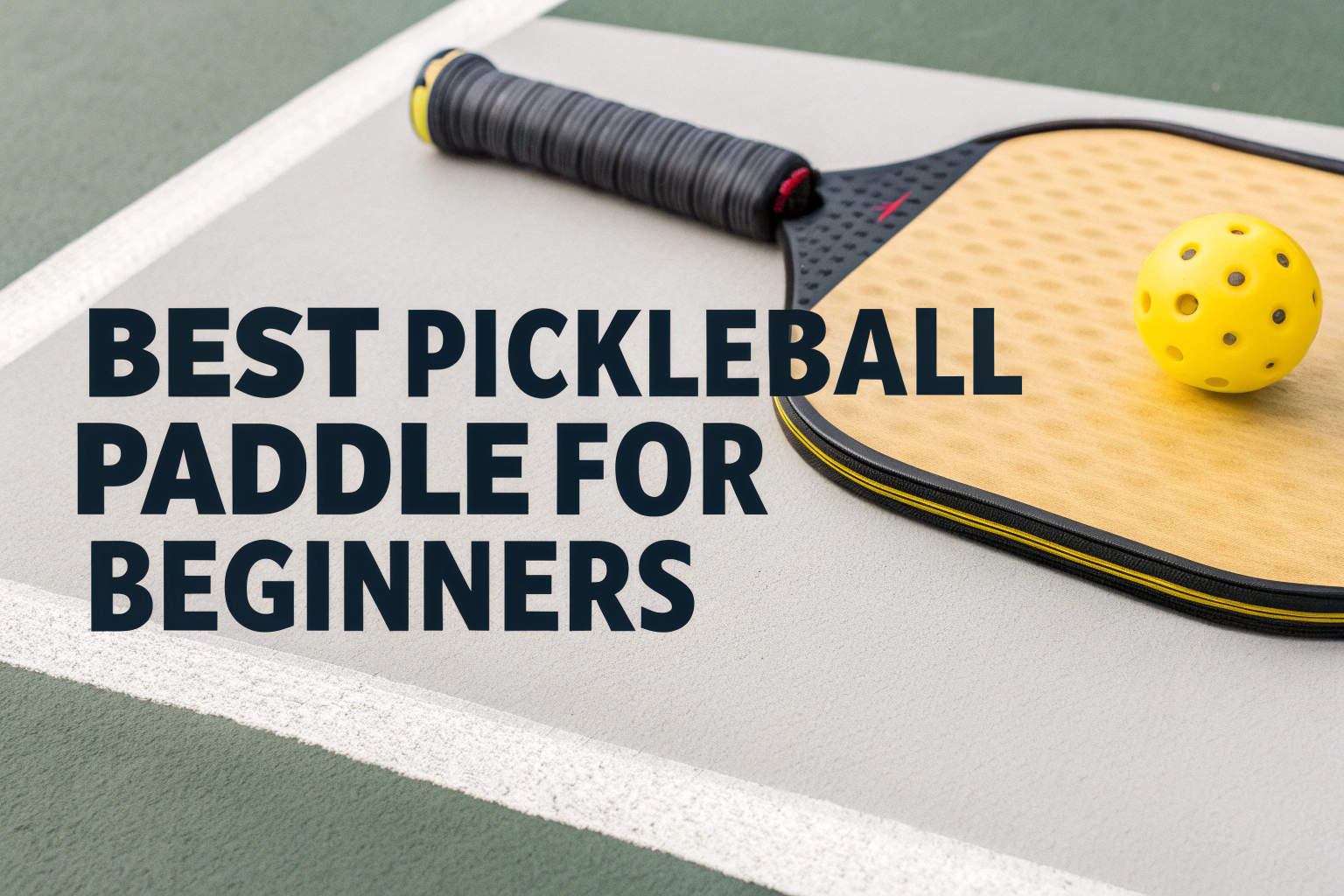
The best pickleball paddle for beginners should provide a good balance of power, control, and comfort. Features such as a lightweight design, larger sweet spot, and forgiving materials can help new players develop their skills.
In this guide, we break down the key elements to look for when choosing a pickleball paddle as a beginner, helping you make an informed decision for your first paddle.
Why is paddle weight important for beginners?
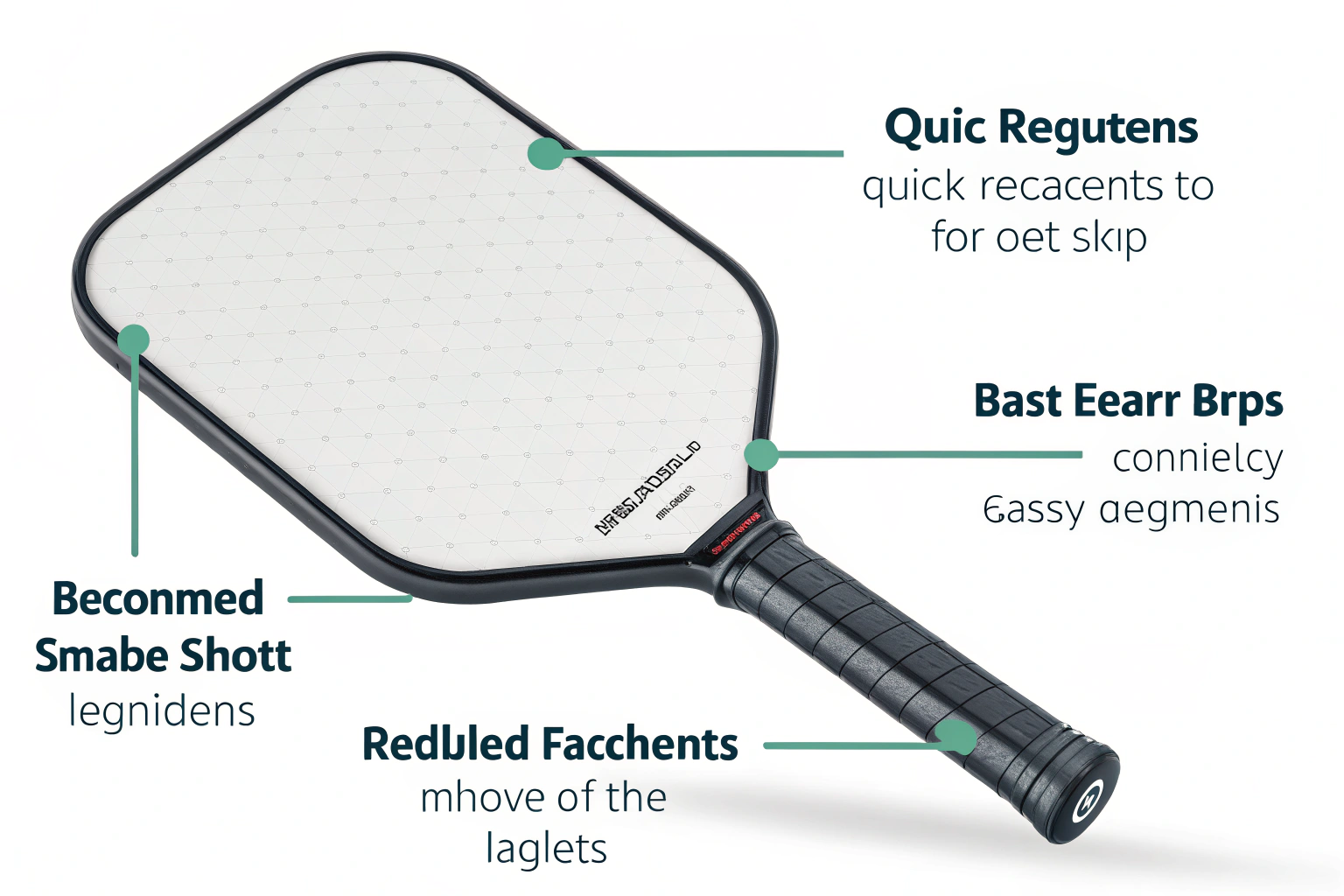
One of the most important factors when choosing a paddle is its weight. A lighter paddle is easier to control and maneuver, making it ideal for beginners. Paddles typically range from 6 to 9 ounces, and choosing the right weight depends on a player’s strength and comfort level.
A lightweight paddle allows beginners to react quickly and reduce fatigue, making it easier to control shots and learn basic techniques.
Lightweight Paddles (6–7 ounces)
- Maneuverability: Lighter paddles allow for faster wrist movements and quicker reactions, making them ideal for net play and learning basic strokes.
- Comfort: They are generally more comfortable for longer playing sessions, as they put less strain on the arms and wrists.
- Control: Lighter paddles offer better control and precision, allowing beginners to focus on technique rather than power.
Midweight Paddles (7.5–8.5 ounces)
- Balanced Performance: These paddles provide a good mix of power and control, making them a solid choice for most players who want a bit of extra power without sacrificing maneuverability.
- Versatility: They can accommodate a variety of playing styles and are great for players who want to develop both power and control.
For beginners, lightweight paddles are typically the best option as they provide greater control, comfort, and ease of use.
How does grip size affect the paddle choice for beginners?
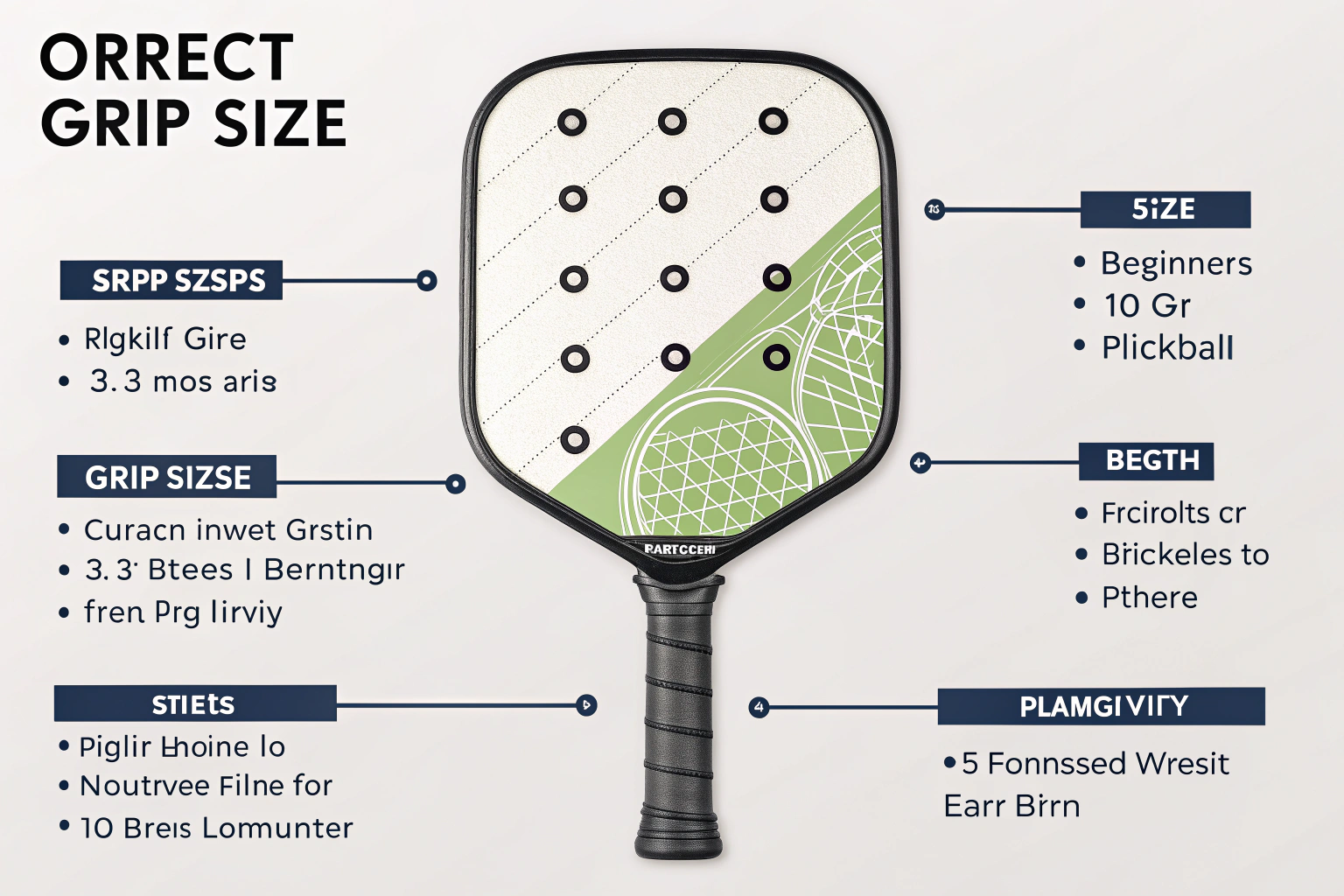
The grip size is another essential factor when choosing a pickleball paddle. A paddle with the right grip size will ensure comfort, control, and prevent injury. An ill-fitting grip can cause hand fatigue and affect your ability to play properly.
The correct grip size will reduce strain on your wrist and forearm, enhancing comfort and overall playability.
How to Measure Grip Size:
- The Ruler Test: Measure from the middle crease of your palm to the tip of your ring finger. This will give you a general idea of your ideal grip size.
- The Finger Test: Hold the paddle as you would during play and check if you can comfortably fit your index finger between your fingers and palm. If it fits snugly, it's likely the right grip size.
Common Grip Sizes:
- Small (4.0 – 4.25 inches): Suitable for players with smaller hands.
- Medium (4.25 – 4.5 inches): The most common size for players with average hand size.
- Large (4.5 – 4.75 inches): For players with larger hands who need more stability.
A grip that is too large or too small will make it harder to control the paddle. For beginners, medium-sized grips are usually the best starting point.
What materials are best for beginner paddles?
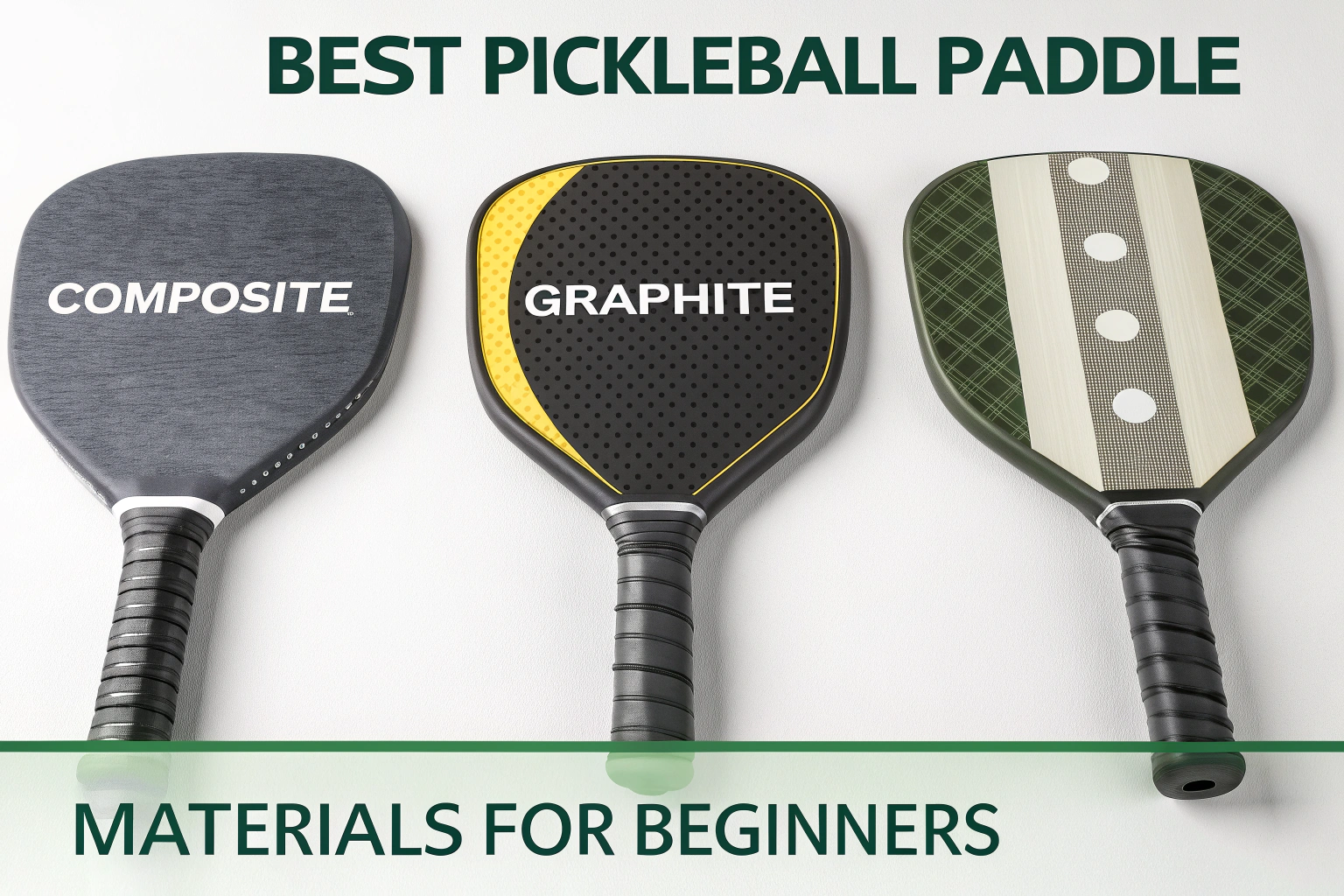
The materials used for the paddle’s face and core affect its performance, feel, and durability. For beginners, paddles with forgiving, durable materials are ideal as they offer comfort and help develop skills without being too rigid or unforgiving.
The best paddle materials for beginners combine durability, control, and ease of use.
Paddle Face Materials:
- Fiberglass: Often used in beginner paddles, fiberglass offers a good balance of flexibility, power, and control. It is also more forgiving on off-center hits, which is helpful for players still developing their technique.
- Composite: Composite paddles are made from a mix of materials and provide versatility, often offering a combination of power and control suitable for beginners.
Paddle Core Materials:
- Polymer Core: These cores provide great shock absorption, a quieter feel, and are generally more durable, making them ideal for beginners.
- Nomex Core: Although harder and faster, Nomex cores are better for intermediate players and may be too stiff for beginners.
- Aluminum Core: Known for its durability and solid feel, aluminum cores offer a good balance of power and control but may be less forgiving than polymer cores.
For beginners, fiberglass faces and polymer cores offer the best combination of control, durability, and comfort.
How does the paddle shape affect a beginner’s game?
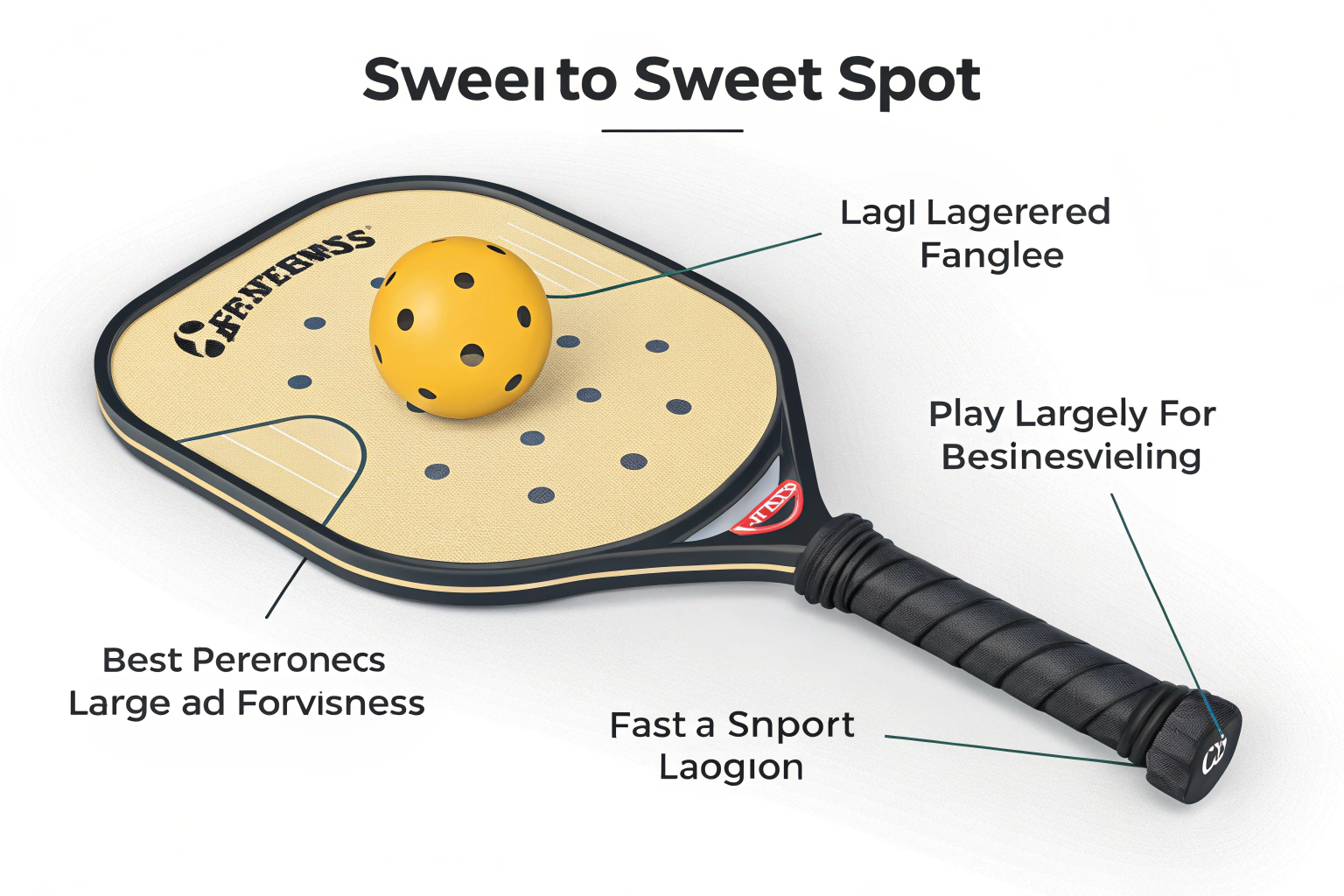
The shape of a pickleball paddle influences its sweet spot, power, and maneuverability. Beginners generally benefit from paddles with a larger sweet spot, which makes it easier to hit the ball consistently and accurately.
A paddle with a larger sweet spot provides more forgiveness, making it easier to play and learn the game.
Paddle Shapes:
- Widebody Shape: These paddles have a larger face, making the sweet spot more forgiving. This is an excellent option for beginners as it helps to reduce mistakes and provide more consistent hits.
- Teardrop Shape: Offers a larger sweet spot and more power. Great for beginners who want a little extra help with power but still want control.
- Round Shape: Provides more control and precision but has a smaller sweet spot, which may not be ideal for beginners.
For beginners, a widebody shape is usually the best choice due to its larger sweet spot and ease of use.
What is the best paddle for developing skills?
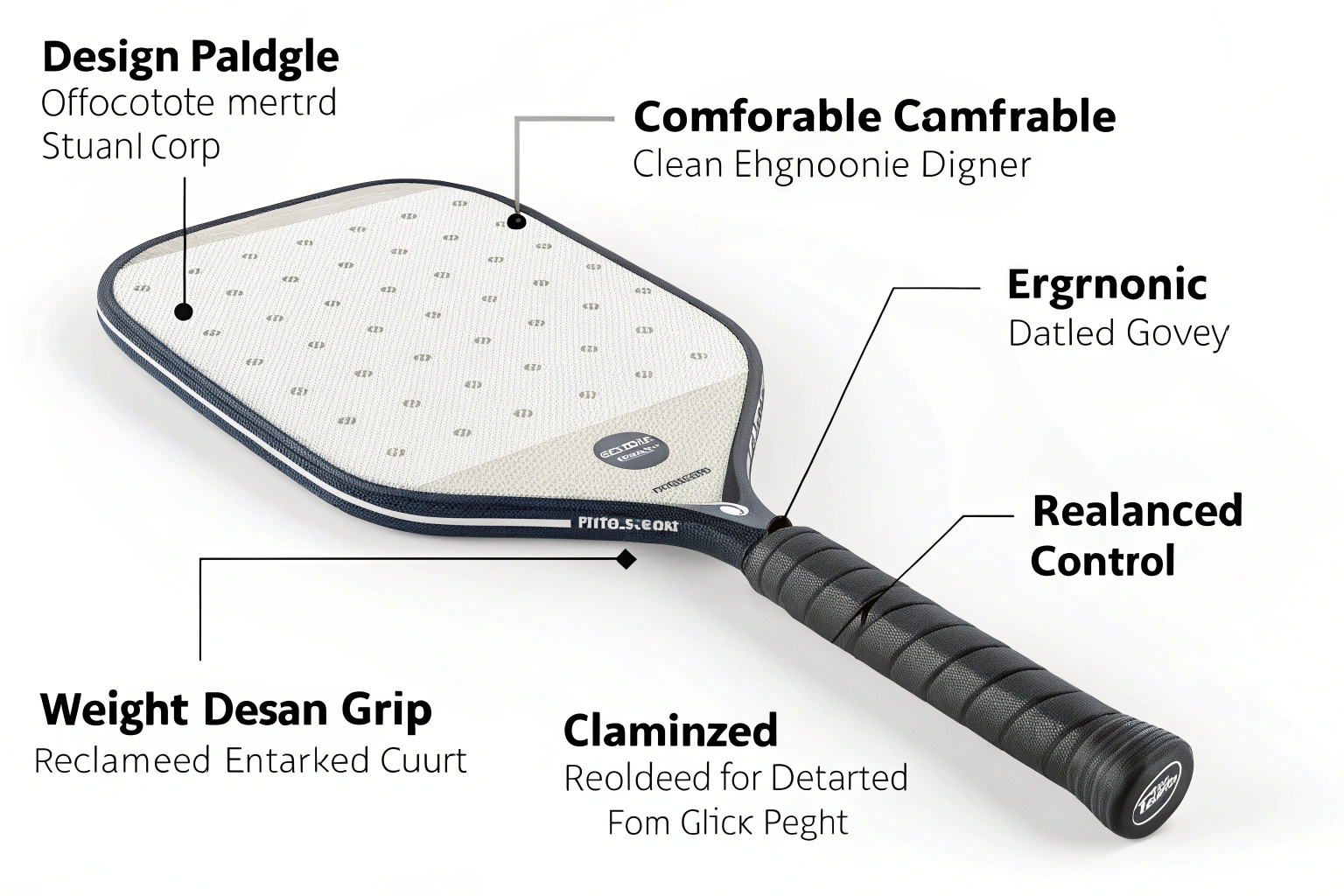
Beginners should look for a paddle that emphasizes comfort, forgiveness, and ease of use. Paddles that are lightweight, offer a larger sweet spot, and have a comfortable grip will make it easier to learn the game and build the necessary skills.
A good beginner paddle will provide a combination of power, control, and comfort while reducing strain during extended play.
Top Features to Look For:
- Larger sweet spot: Reduces the likelihood of mishits and helps improve consistency.
- Lightweight construction: Makes it easier to maneuver and control the ball.
- Comfortable grip: Prevents hand fatigue and enhances your overall playing experience.
- Durable materials: Ensures the paddle lasts through extended practice sessions without wear and tear.
Conclusion
The best pickleball paddle for beginners should be lightweight, have a comfortable grip, and offer a forgiving sweet spot. A paddle that balances control, power, and comfort will make it easier to learn the game and enjoy your time on the court.
For manufacturers, offering a range of paddles suited for beginners ensures that new players can find the right paddle to develop their skills and enjoy the sport. Focusing on lightweight, well-balanced, and durable designs will meet the needs of most new players.
📩 For custom paddle manufacturing, design consultations, or material sourcing, contact the Youth Padel team at hu@miao-ke.com or via WhatsApp at +86-13023656973. We offer full-service solutions to create paddles that meet player expectations and market standards.