Badminton is a challenging yet enjoyable sport that requires skill and strategy. One of the key aspects of playing badminton effectively is mastering the correct grip. Whether you're a beginner or a seasoned player, understanding how to properly grip your racket—or even re-grip it—can significantly enhance your performance on the court. This article will delve into the importance of grip selection, the steps for re-gripping, the characteristics of different grips, and tips on utilizing these techniques to improve your gameplay.
Why You Need to Re-Grip Your Racket
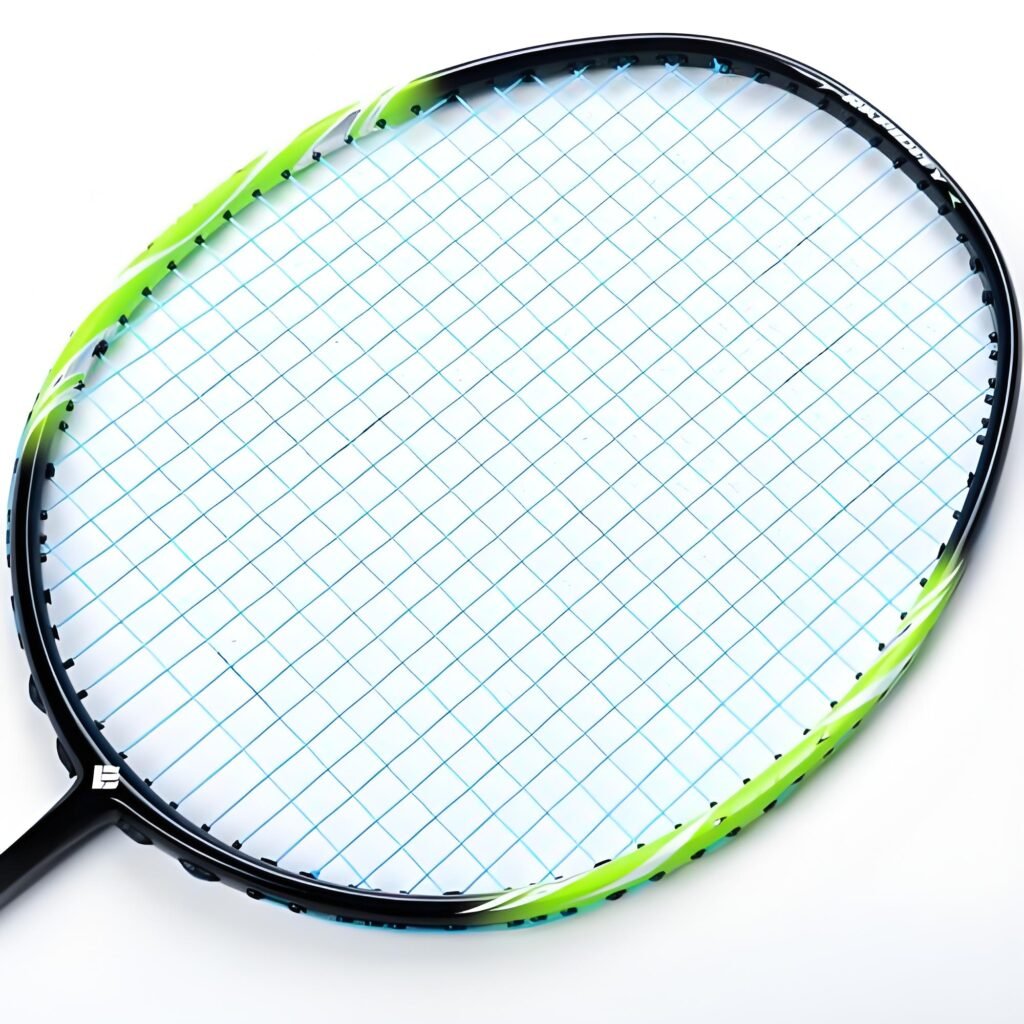
Before we explore how to re-grip your racket, it's essential to understand why you might need to do so.
1. Wear and Tear
Over time, the original grip on your badminton racket can wear down due to sweat, friction, and general use. This degradation not only affects your comfort while playing but can also lead to slippage, increasing the risk of injury. Regularly checking the condition of your grip and replacing it when necessary ensures stability during play.
2. Personal Preference
Every player has unique hand shapes, playing styles, and gripping habits. Some players may prefer thicker or thinner grips, or different materials to suit various playing conditions. By re-gripping, you can choose a grip that aligns with your preferences, enhancing comfort and flexibility.
3. Enhanced Performance
A suitable grip allows for better control and power during play. The grip's material, thickness, and shape all affect how the racket responds when you hit the shuttlecock. Choosing the right grip can directly improve your performance in matches.
Characteristics of Grips
1. Material Properties
- PU Material: Commonly used in high-end rackets, PU grips are known for their excellent comfort and grip. They offer good slip resistance, making them ideal for competitive play.
- Rubber Material: Known for its durability, rubber grips are suitable for high-intensity use and are often more budget-friendly. They provide stable handling, making them a good choice for beginners.
- Polyurethane: This material boasts superior moisture absorption, effectively reducing slippage from sweat, making it suitable for humid conditions.
2. Thickness and Shape
- Standard Grips: These are ideal for most beginners, providing a comfortable feel. They typically have a round shape for easy handling.
- Thicker Grips: These are great for players with larger hands, offering better stability, especially for power-oriented playstyles.
- Flat Grips: Some professional players may opt for flat grips to gain more control for specific shots.
3. Slip Resistance
Many grips feature textured surfaces or patterns designed to enhance friction, reducing the chance of slipping during play. This design is crucial in competitive situations, allowing players to maintain a firm hold on their rackets.
How to Properly Grip Your Badminton Racket
Introduction
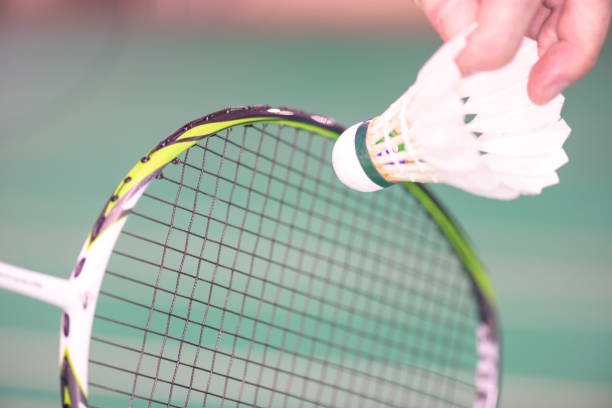
Gripping your badminton racket correctly is fundamental to achieving optimal performance on the court. Whether you are a beginner learning the basics or an experienced player looking to refine your technique, the way you hold your racket can significantly impact your game. A proper grip allows for better control, increased power, and enhanced shot accuracy, helping you execute various strokes with confidence. In this article, we will explore the different types of grips, the importance of re-gripping, and the steps to properly grip your badminton racket. By understanding and mastering these elements, you’ll be well on your way to elevating your badminton skills and enjoying the game to its fullest.
1. Prepare the Grip
Before changing your grip, ensure you have the necessary materials ready, such as a new grip, scissors, a cleaning cloth, and grip tape. Choosing a grip that suits your needs is the first step.
2. Grip Selection
When selecting a grip, consider your hand shape, playing style, and personal preferences. Visiting a store to try different grips can help you find the most suitable one. Also, think about the season and playing environment when choosing materials; for example, use breathable materials in summer.
3. Grip Technique
- Basic Grip: The most common grip is the "handshake grip," where you hold the racket like you would shake hands. Your thumb should rest against the back of the handle, while your index finger is slightly separated to facilitate hitting. Keep your wrist flexible for better control.
- Different Grips for Various Shots: Depending on the type of shot, you may need to adjust your grip. For high-clear shots, a looser grip works best, while a tighter grip is preferred for net shots.
4. Grip Maintenance
- Keep It Dry: After playing, wipe down the grip with a cleaning cloth to prevent moisture buildup that can degrade the material.
- Regular Replacement: Depending on your usage frequency, check your grip every few months. Replace it when it starts to feel worn.
- Personalized Choices: Experiment with different thicknesses and materials to find what suits you best. Adjust your grip according to the situation for optimal comfort and performance.
Steps for Re-Gripping
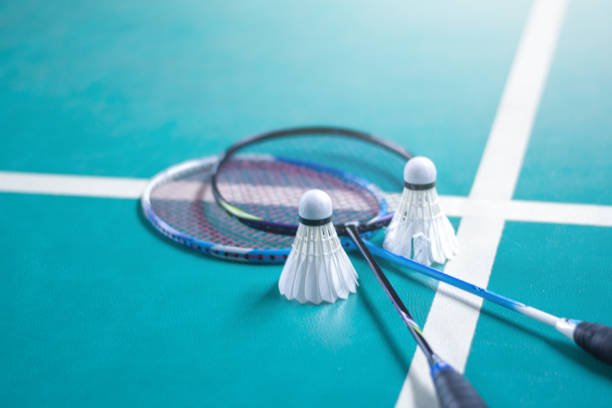
Re-gripping your badminton racket is an essential skill that can significantly enhance your playing experience. Over time, the original grip may wear down due to sweat, friction, and general use, impacting your comfort and control during play. Re-gripping not only revitalizes your racket but also allows you to customize the grip to better suit your personal preferences and playing style. In this section, we will outline the step-by-step process for effectively re-gripping your racket, ensuring a secure and comfortable hold. Whether you’re looking to replace an old grip or experimenting with different thicknesses and materials, these straightforward steps will guide you through the process, helping you maintain optimal performance on the court.
1. Remove the Old Grip
Carefully peel off the existing grip, ensuring you do not damage the handle underneath. Use a cleaning cloth to wipe down the handle, removing any dirt or moisture.
2. Prepare the New Grip
Take the new grip out of its packaging and peel off the protective film to expose the adhesive layer.
3. Secure the New Grip
- Start at the Bottom: Position the end of the new grip at the bottom of the racket handle and press it down to ensure a tight bond.
- Wrap the Grip: Slowly wrap the grip upward, maintaining tension to ensure it adheres well, ensuring each layer overlaps evenly.
- Pay Attention to Orientation: Keep the orientation of the grip consistent as you wrap it, ensuring a clean appearance once finished.
4. Trim and Secure
Once you've wrapped to the top of the handle, use scissors to trim any excess grip material, ensuring a clean cut. Next, use grip tape to secure the top of the grip, preventing it from loosening and maintaining a neat look.
5. Final Check
After re-gripping, hold the racket to test the new grip's comfort and security. Ensure it feels right before heading onto the court.
Conclusion
Properly gripping (or re-gripping) your badminton racket is an essential step in enhancing your playing performance. By selecting the right grip and mastering the correct techniques, you can achieve better control and comfort during your games. Regularly replacing your grip not only prolongs the life of your racket but also ensures you maintain your best form on the court. We hope this guide helps you grasp the essentials of grip techniques, allowing you to enjoy badminton to the fullest and elevate your competitive edge!