
Selecting the right badminton racket can make a huge difference in your performance on the court. With so many options available, it’s essential to understand the key factors that can help you make the best choice
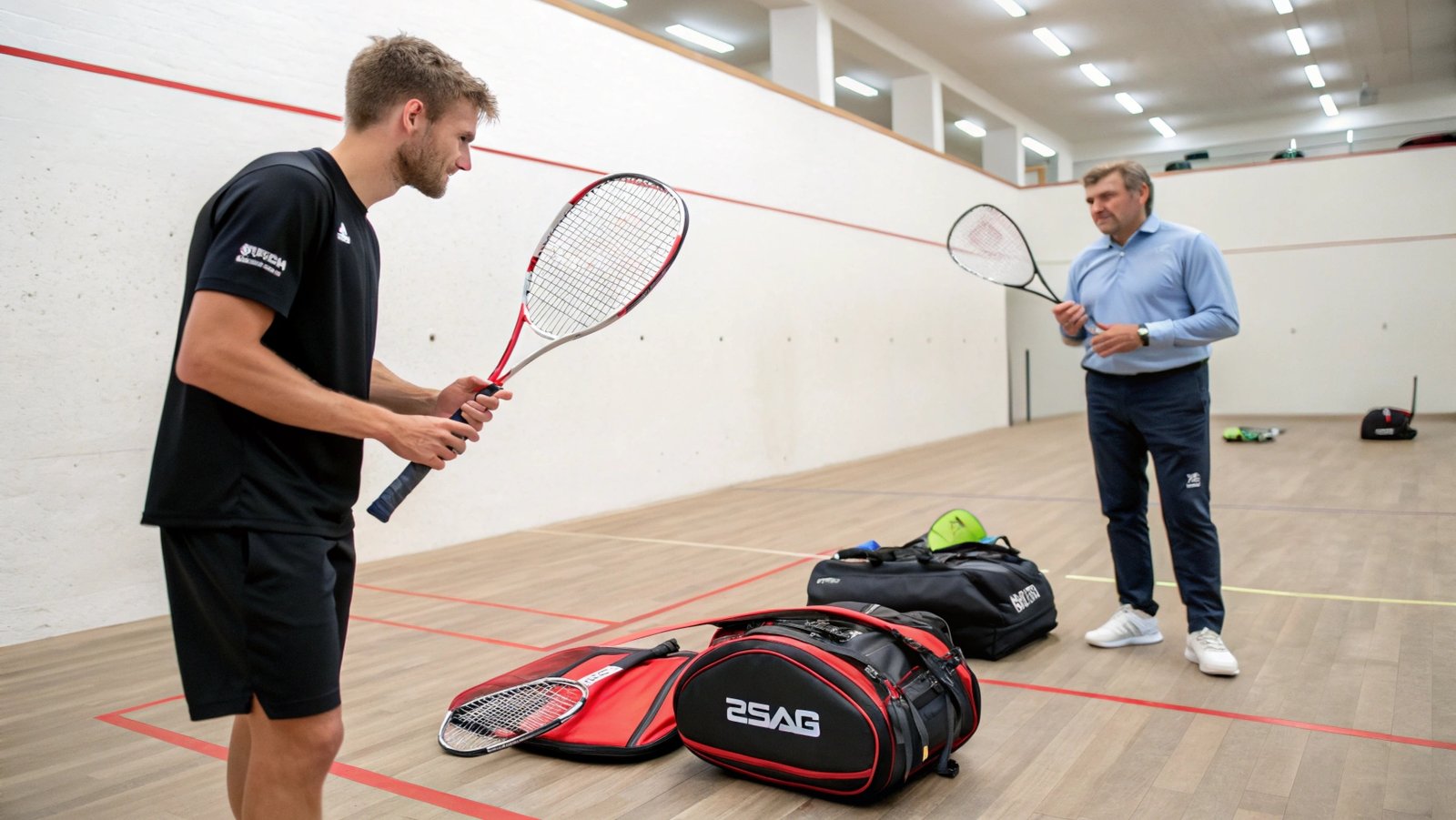
Choosing the right racket depends on your playing style, skill level, and personal preferences. Consider the weight, balance, material, string tension, and grip size for a racket that fits your needs.
Whether you're just starting or you're an experienced player, choosing the right badminton racket is crucial. The right racket not only improves your game but also prevents injury and provides comfort during long matches. Let’s break down how to choose the right one based on your unique requirements.
What is your playing style?
The first thing you need to consider when choosing a badminton racket is your playing style. Are you a power player who focuses on smashes, or are you more into control and finesse?
Aggressive players will benefit from rackets that prioritize power, while defensive or control players need rackets that offer precision and maneuverability.
If you love to smash and dominate the game with powerful shots, you’ll likely prefer a racket with a head-heavy balance. This design provides extra power for your smashes and overhead shots. On the other hand, if your game revolves around precise net play, quick reactions, and control, a racket with a head-light or even balance might be better suited for you. These rackets are lighter and easier to maneuver, making them ideal for fast exchanges at the net.
How does racket weight affect your game?
Racket weight is one of the most critical factors in determining how a racket feels during play. A lighter racket can offer better maneuverability, while a heavier racket can provide more stability and power.
Lighter rackets are great for quick reflexes and control, while heavier rackets are designed for power and stability.
Racket weight typically ranges from 70g to 100g. Lighter rackets (under 85g) are preferred by control players who need fast reactions and excellent wrist flexibility. These rackets are easier to swing and handle. On the other hand, heavier rackets (above 90g) are usually favored by aggressive players who focus on smashing. The added weight gives more power to your shots, but it requires more strength to handle, especially during long rallies.
What material should your racket be made of?
The material of your badminton racket will determine its strength, flexibility, and weight. Most modern rackets are made from graphite, carbon fiber, and sometimes a mix of these materials.
Graphite and carbon fiber offer lightweight and durable rackets, while titanium provides added strength and stability.
- Graphite is a flexible material known for its shock-absorbing properties. It offers a smooth feel during play and is ideal for players who focus on control and comfort.
- Carbon fiber is stiffer and lighter than graphite, making it perfect for power players. It offers better swing speed and precision for fast-paced play.
- Titanium is sometimes used to reinforce rackets. It’s heavier and provides extra durability but can reduce the racket's maneuverability, which may not be ideal for all players.
What string tension should you choose?
String tension is a crucial factor that influences your racket’s performance. A higher string tension gives you more control, while lower tension provides more power. The ideal tension will depend on your playing style and skill level.
High tension (over 24 lbs) is good for control, while lower tension (below 24 lbs) is better for power.
For beginners or players who need more power, lower string tension offers a “trampoline” effect, helping generate extra power without needing to exert much force. Experienced players who focus on control and accuracy might prefer higher string tension, which offers better precision and allows for faster shots. Be mindful that string tension can vary based on your style, and you may need to experiment to find what works best for you.
How to find the right grip size?
Grip size is often overlooked, but it plays a crucial role in ensuring comfort and control during your game. A racket with the wrong grip size can lead to fatigue, discomfort, or even injury.
The correct grip size provides a comfortable hold, enhancing your control and preventing wrist strain.
The right grip size is typically based on your hand size. To measure it, hold the racket handle and check if your index finger fits between your fingers and palm. If it’s too tight or loose, you may need to adjust the grip size. Smaller grips offer better wrist control, while larger grips provide more stability for stronger players. Most rackets come in a range of grip sizes (e.g., G3, G4, G5), so choose one that feels natural and comfortable in your hand.
Conclusion
Choosing the right badminton racket is essential for improving your performance on the court. By considering your playing style, racket weight, material, string tension, and grip size, you can select a racket that suits your game and provides maximum comfort.