
Grip size is one of the most overlooked yet critical specifications in tennis racket design. Improper sizing leads to discomfort, reduced performance, and increased product return rates.
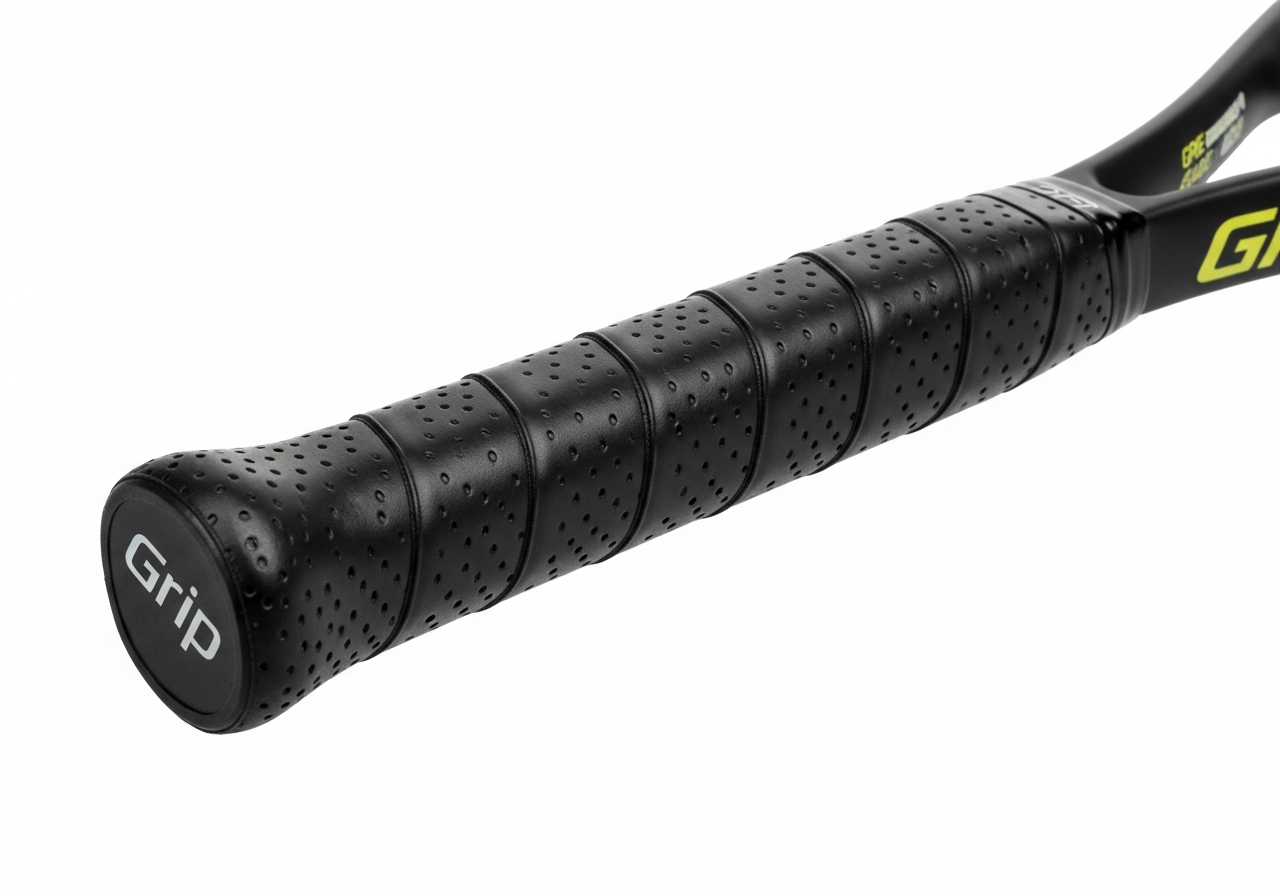
Tennis racket grip sizes typically range from 4" to 4 5/8", or L0 to L5 in European notation. Selecting the correct size improves user comfort, playing control, and long-term brand trust.
A growing number of sports brands and distributors are realizing that grip size plays a key role in customer satisfaction. Market-fit sizing directly reduces return rates and negative reviews. Manufacturers capable of providing accurate, flexible grip size configurations can help avoid significant losses caused by mismatched product specifications.
What are the standard grip sizes and how are they measured?
Most global racket markets follow either U.S. inch-based or European level-based sizing. A clear understanding of both systems is essential for precise product configuration and batch planning.
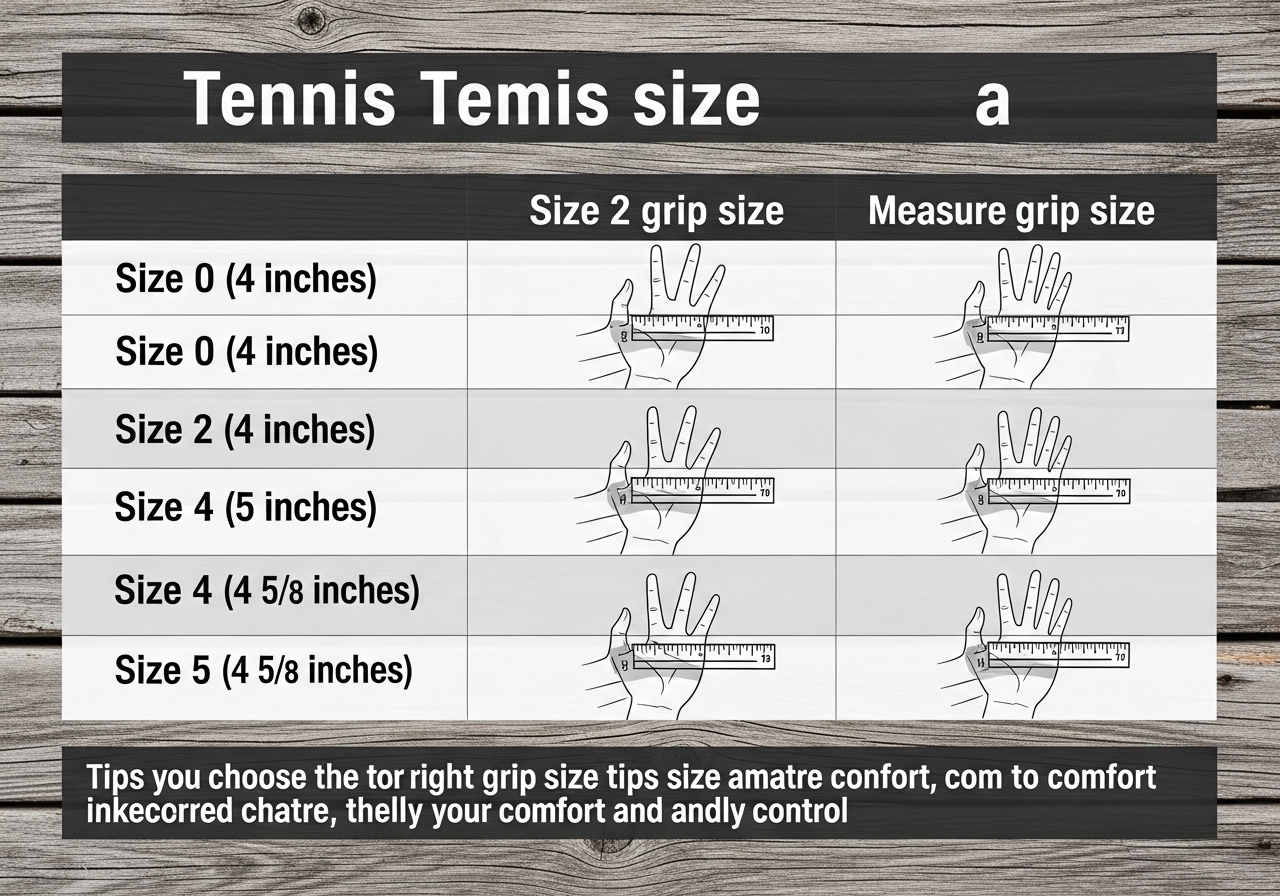
Grip sizes are measured from the middle palm crease to the tip of the ring finger. The most common range is between 4" (L0) and 4 5/8" (L5).
Standard Grip Size Overview
| US Size (Inches) | EU Size | Typical User Segment |
|---|---|---|
| 4 | L0 | Juniors / Youth players |
| 4 1/8 | L1 | Teenagers / Female players |
| 4 1/4 | L2 | Adult women |
| 4 3/8 | L3 | Adult men (standard) |
| 4 1/2 | L4 | Large adult hands |
| 4 5/8 | L5 | Extra-large hands |
Two common methods are used for measurement:
- Ruler method: Measure from the palm crease to the ring finger tip.
- Index finger test: Hold the racket in an eastern grip; a properly sized grip will allow one finger to fit snugly between the palm and fingers.
Professional factories offer full-size options with tight tolerance control during the molding and handle-forming process, rather than relying solely on grip tape thickness adjustment.
What are the risks of using incorrect grip sizes?
Incorrect grip sizing has a direct effect on player comfort and long-term product acceptance. It is one of the main reasons for product dissatisfaction, especially in high-volume seasonal sales.
A grip that is too small increases wrist tension and causes muscle strain. A grip that is too large limits flexibility and reduces stroke control.
Impact on User Experience and Brand Reliability
- Too small: Causes players to overgrip, leading to forearm fatigue and higher injury risk.
- Too large: Reduces maneuverability, especially for fast grip changes, and limits topspin generation.
- Lack of variety: Results in lost sales among demographics that fall outside the “average” size.
For example, an overseas distributor once launched a racket line using only size L3. Post-launch feedback revealed poor fit for female and teenage players, leading to a 20% return rate. A diversified grip size plan aligned with regional demographics would have avoided these losses.
Grip-related discomfort often occurs within the first few uses, making it a critical factor in first impressions and early customer reviews.
How should brands decide on grip size distribution?
A market-matched grip distribution strategy ensures higher product satisfaction, optimized inventory flow, and fewer returns. Proper planning begins with understanding regional demographics and player segments.
The ideal size breakdown depends on gender ratio, average hand size in the target market, and product positioning. Flexible manufacturing support is essential.
Suggested Distribution Plan for Standard Markets
| Player Group | Recommended Size | Distribution Ratio |
|---|---|---|
| Adult Men | L3 (4 3/8) | 45% |
| Adult Women | L2 (4 1/4) | 30% |
| Teenagers / Youth | L0–L1 (4–4 1/8) | 15% |
| Larger Hands | L4–L5 (4 1/2+) | 10% |
Global brands have increasingly adopted localized testing to confirm preferred grip sizes before mass production. In one example, sample rackets with three grip sizes were distributed to regional training clubs. Feedback was collected over a 3-week period and used to define the final grip configuration plan.
Manufacturing partners with in-house mold development and custom core shaping capabilities can provide true-to-spec sizing without relying on inconsistent tape layering methods.
Conclusion
Grip size directly affects player comfort, injury risk, and performance perception. Accurate sizing based on market needs strengthens customer satisfaction, reduces complaints, and improves brand positioning in competitive environments.
A trusted manufacturing partner with advanced mold tooling, flexible production ratios, and strict quality control can provide the necessary support for precise grip customization.
For customized grip solutions, multi-size production, or technical consultations, contact the Youth Padel factory team via email at hu@miao-ke.com or WhatsApp at +86-13023656973. Engineering support, sampling, and rapid production scheduling are available for new projects and brand launches.