
A high-quality beach tennis racket is more than a piece of gear—it’s the foundation of player performance, comfort, and brand loyalty. Choosing the right structure and specs is critical.
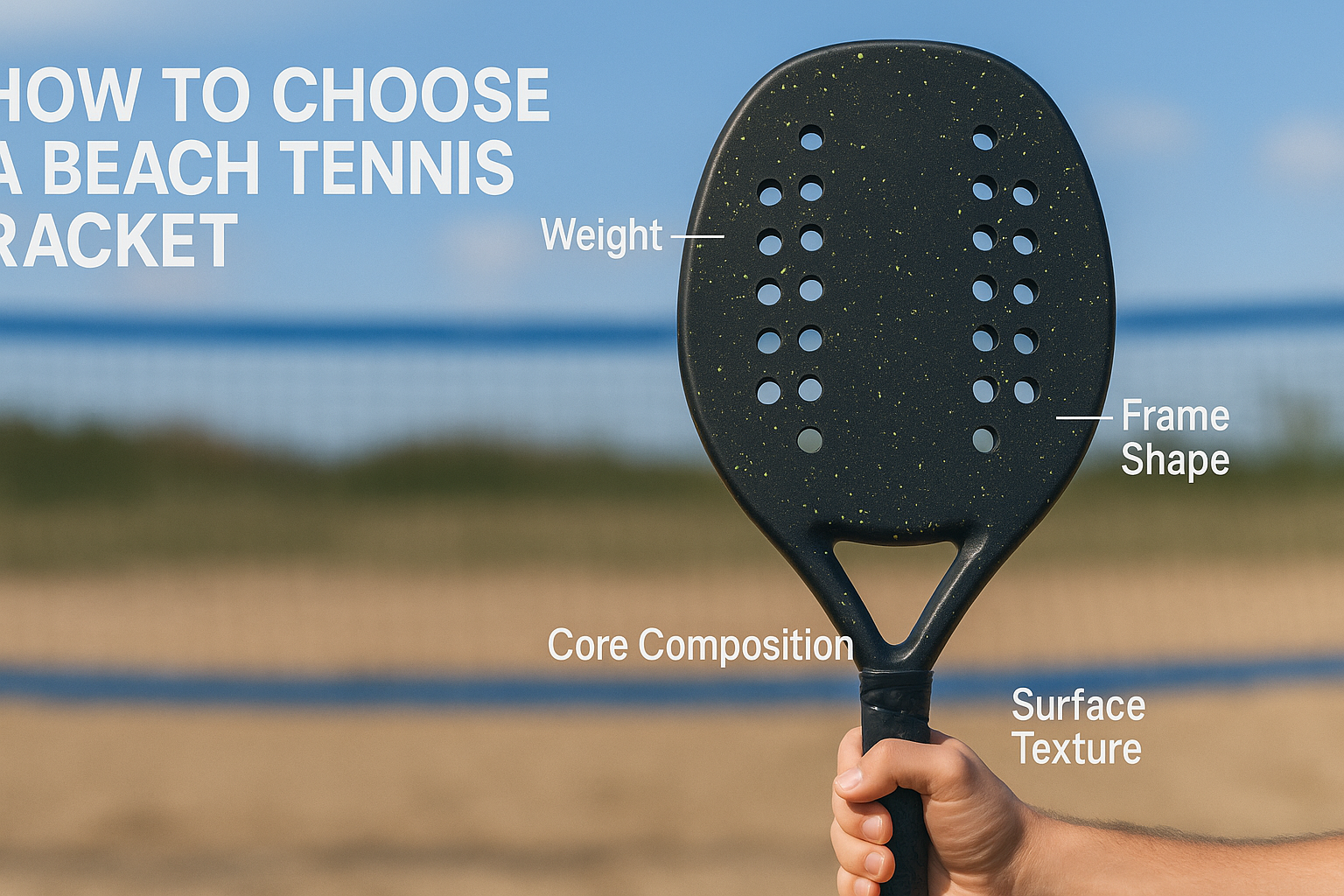
Choosing a beach tennis racket involves evaluating weight, balance, frame shape, core composition, and surface texture. Each factor must align with user skill levels and playing preferences.
Many sports equipment distributors and brand owners enter the beach tennis market without a full understanding of racket performance criteria. As a result, mismatched configurations can lead to poor user feedback and underwhelming product launches. Working closely with an experienced factory partner reduces these risks significantly.
What specifications matter most when selecting a beach tennis racket?
Not all beach tennis rackets are built the same. Even minor differences in structure can significantly affect swing feel, power control, and durability under sun and sand conditions.
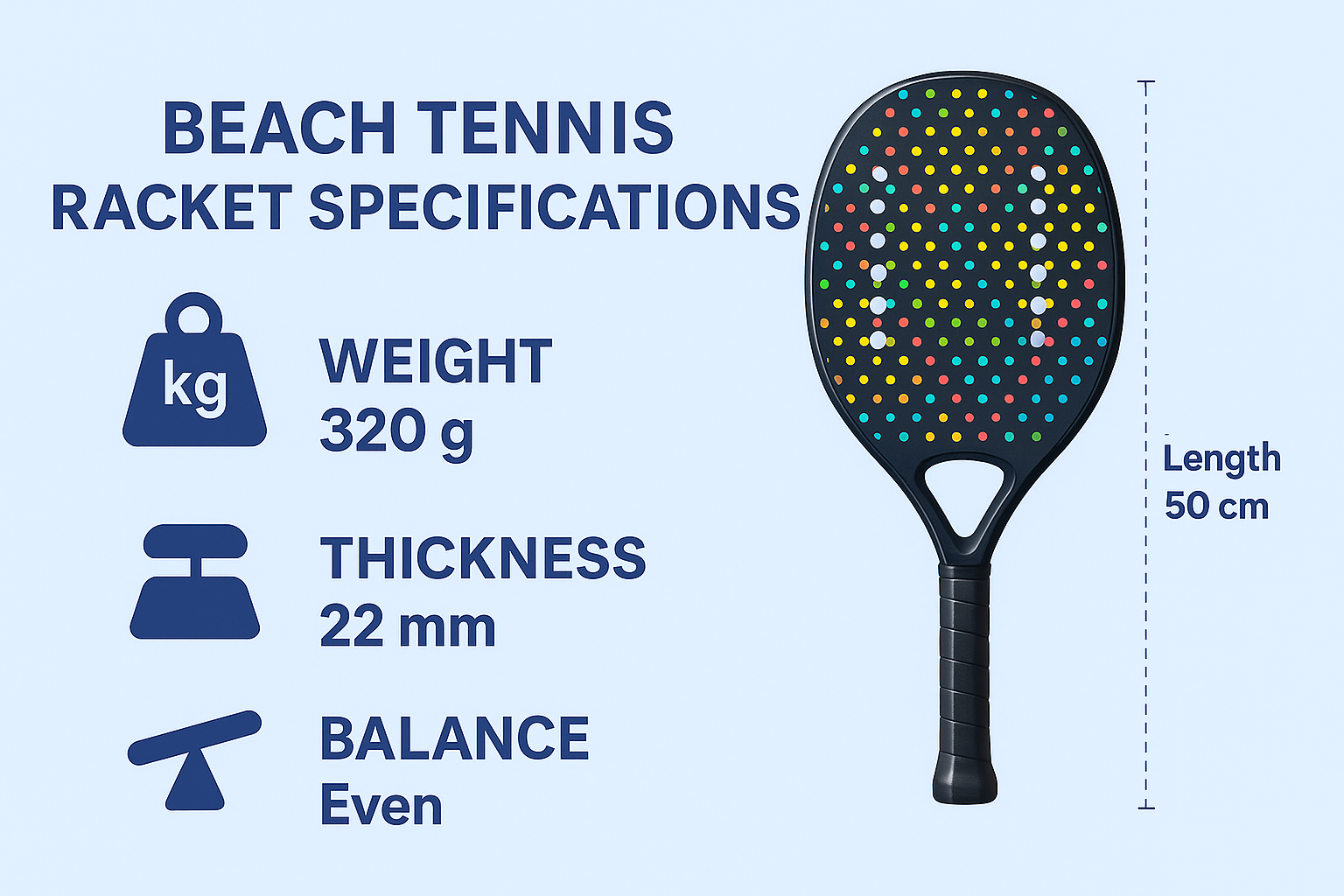
Key specs include frame shape, weight, balance point, hole layout, surface material, and EVA core hardness. These features define racket control, power, and comfort.
Breakdown of Main Components
| Component | Options / Range | Impact on Performance |
|---|---|---|
| Weight | 320g–360g | Heavier = power, Lighter = control |
| Balance | Top-heavy / Even / Handle | Top-heavy = power, Handle = control |
| Frame Shape | Teardrop / Round | Teardrop = power, Round = control |
| Core Material | Soft / Medium / Hard EVA | Soft = comfort, Hard = power & speed |
| Surface Texture | Smooth / Sanded / Rough | Rough = more spin |
| Hole Pattern | Dense / Sparse | Affects aerodynamics and sweet spot |
Product design must match the target segment: beginners benefit from control and comfort; advanced players need precision and explosive power. High-end rackets usually combine carbon frames, medium-hard EVA cores, and sanded surfaces for optimal spin and responsiveness.
Manufacturers with in-house molding and lamination capabilities can ensure exact parameter consistency during production runs, which is critical for premium positioning.
How do different materials affect racket performance and durability?
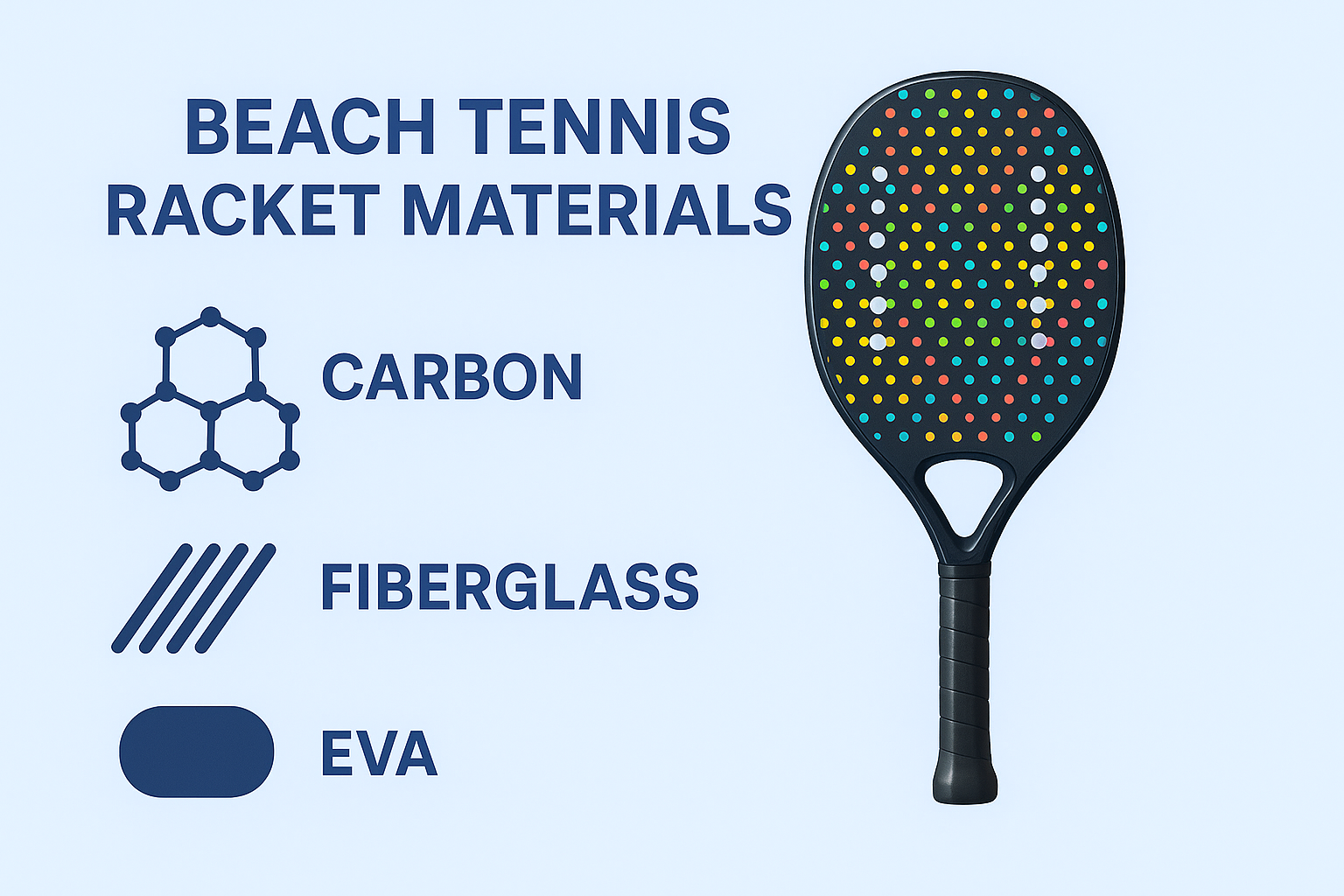
Material selection impacts not only how the racket plays, but how long it lasts under harsh beach conditions. UV exposure, sand abrasion, and salty air demand specialized construction.
Carbon fiber offers the best stiffness-to-weight ratio, while fiberglass adds flexibility. EVA cores in different densities balance shock absorption with rebound power.
Common Material Combinations
| Frame Material | Surface Layers | EVA Core | Characteristics |
|---|---|---|---|
| 100% Carbon | Carbon + Sand Paint | Medium EVA | Balanced, premium feel |
| Carbon + Glass | Fiberglass Top | Soft EVA | Comfort-focused for intermediate players |
| Carbon-Kevlar | Carbon + Rough 3D | Hard EVA | Aggressive play, durability |
Top-level players often request rackets made from 3K or 12K carbon for better control and vibration feedback. Entry-level models may use fiberglass for cost-efficiency and softness. Sanded or roughened surface finishes improve ball contact and spin generation.
Modern factories can support custom builds using hybrid fiber layers, precise EVA molding, and reinforced edges. Consistency between samples and mass production ensures reliable brand performance in market.
What design features enhance player appeal and marketability?
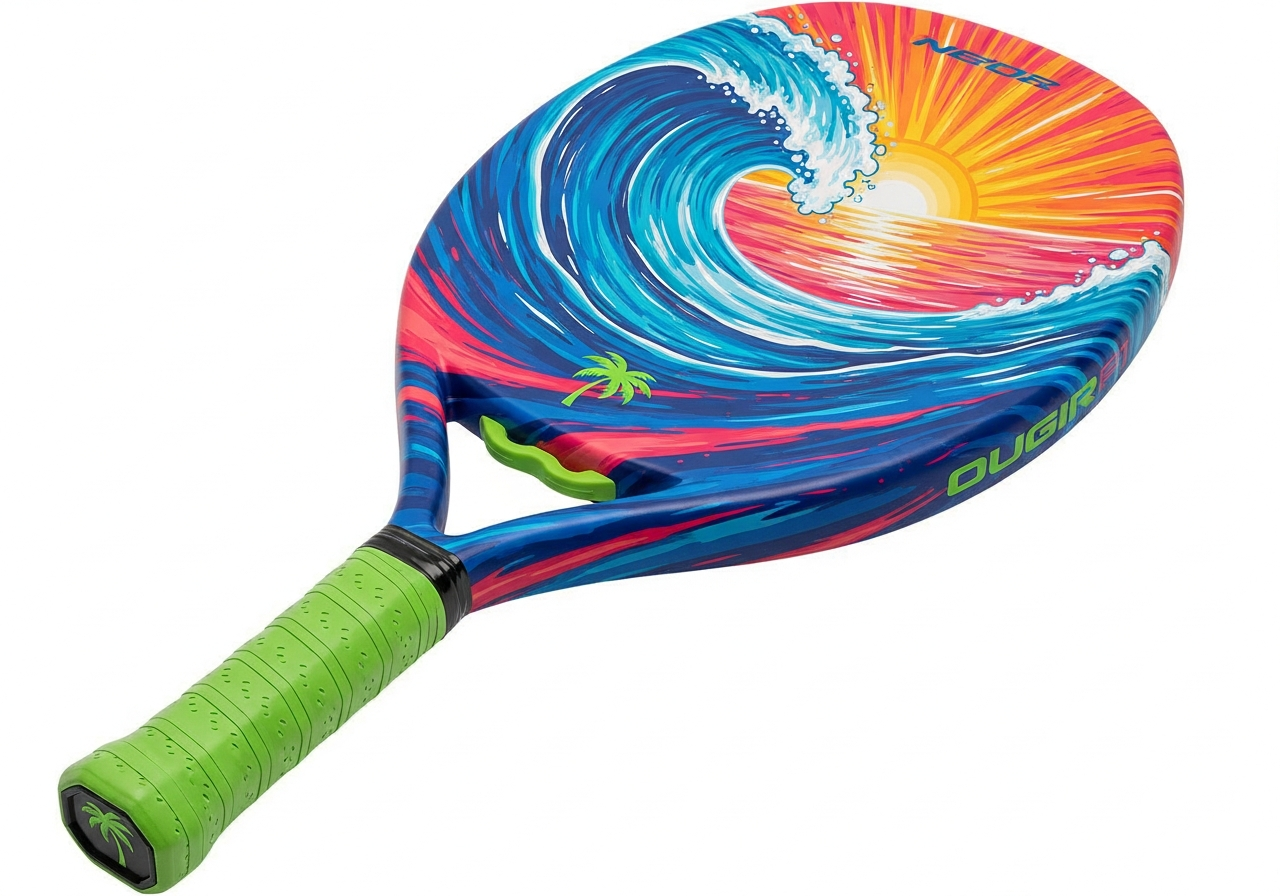
Beyond internal specs, external design plays a critical role in market success. Visual identity, feel in hand, and packaging all contribute to perceived value.
Eye-catching graphics, ergonomic grips, UV-resistant paints, and balanced weight distribution increase retail impact and user preference.
Enhancing Product Identity
Successful racket programs combine performance with market-facing features:
- Custom Mold Shapes: Unique silhouettes create brand identity.
- Textured Surface Coatings: Improves spin while adding tactile grip.
- Logo Embedding: Builds brand awareness through visual repetition.
- Premium Carry Bags: Adds shelf appeal and increases product value.
- Color Matching: Targets gender or age-specific preferences.
Design teams and factories must collaborate early in development to align product specs with visual styling and packaging concepts. Full integration across engineering, materials, and branding ensures better results both on and off the court.
At the manufacturing level, capabilities such as multi-layer printing, heat transfer artwork, and durable edge protection all contribute to product lifespan and end-user satisfaction.
Conclusion
Beach tennis racket selection involves far more than aesthetic appeal. The right combination of weight, materials, grip, and design drives performance, loyalty, and long-term success in this growing sport category.
For brands seeking reliable production support, consistent quality, and customizable design, direct cooperation with an experienced manufacturer is essential. Technical precision, flexible tooling, and fast sample turnaround are key advantages when launching or scaling a competitive racket line.
📩 For product samples, custom specification support, or development consultation, contact the Youth Padel manufacturing team via email at hu@miao-ke.com or WhatsApp: +86-13023656973. Engineering teams are available to assist with racket structure, EVA selection, and grip customization based on target market needs.