
When it comes to pickleball, selecting the right paddle is crucial for enhancing performance and ensuring comfort during play. With the wide range of paddles available, it can be challenging to determine which one will meet your needs.
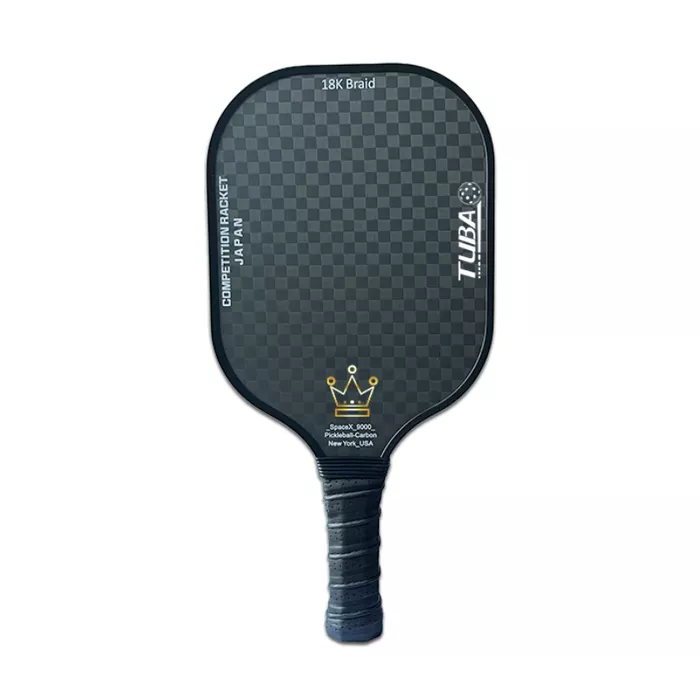
A good pickleball paddle combines the right materials, construction quality, weight distribution, and comfort. High-performance paddles are durable, well-balanced, and suited to a player’s skill level and style of play.
This article explores the key features to look for when evaluating a paddle, whether you're a beginner or an advanced player. Understanding these elements can guide both consumers and manufacturers in making informed choices.
What materials are used in the paddle’s construction?
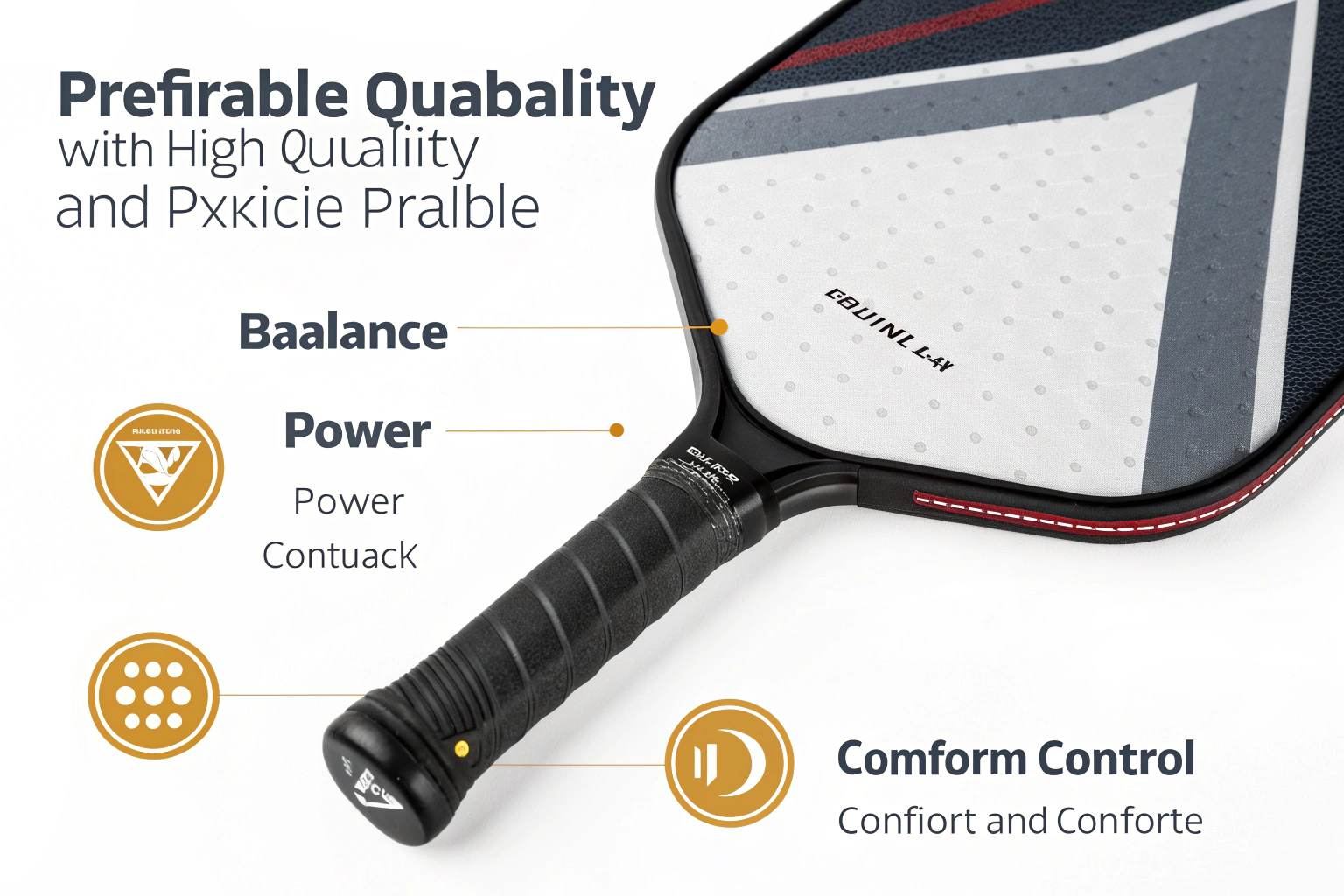
The materials used in the construction of the paddle have a direct impact on its performance, durability, and feel during play. Pickleball paddles are typically made with a composite face (fiberglass, carbon fiber) and a core made from polymer, Nomex, or aluminum.
A good paddle is made from high-quality, durable materials that provide a balance of power, control, and comfort.
Key Materials in High-Quality Paddles:
- Carbon Fiber: Known for its strength, stiffness, and ability to provide better control. High-end paddles often feature carbon fiber faces for improved spin and responsiveness.
- Fiberglass: Provides a good balance between power and control, offering a bit more flexibility than carbon fiber.
- Polymer Core: The most common core material, offering good shock absorption and a quieter feel. High-quality polymer cores are lightweight and durable, providing consistent performance.
- Nomex and Aluminum Cores: Offer added power and stability, but may be less forgiving than polymer cores.
A good paddle uses these materials in combination to offer a blend of power, control, and durability, making it suitable for a variety of playing styles.
How does the paddle’s weight affect performance?
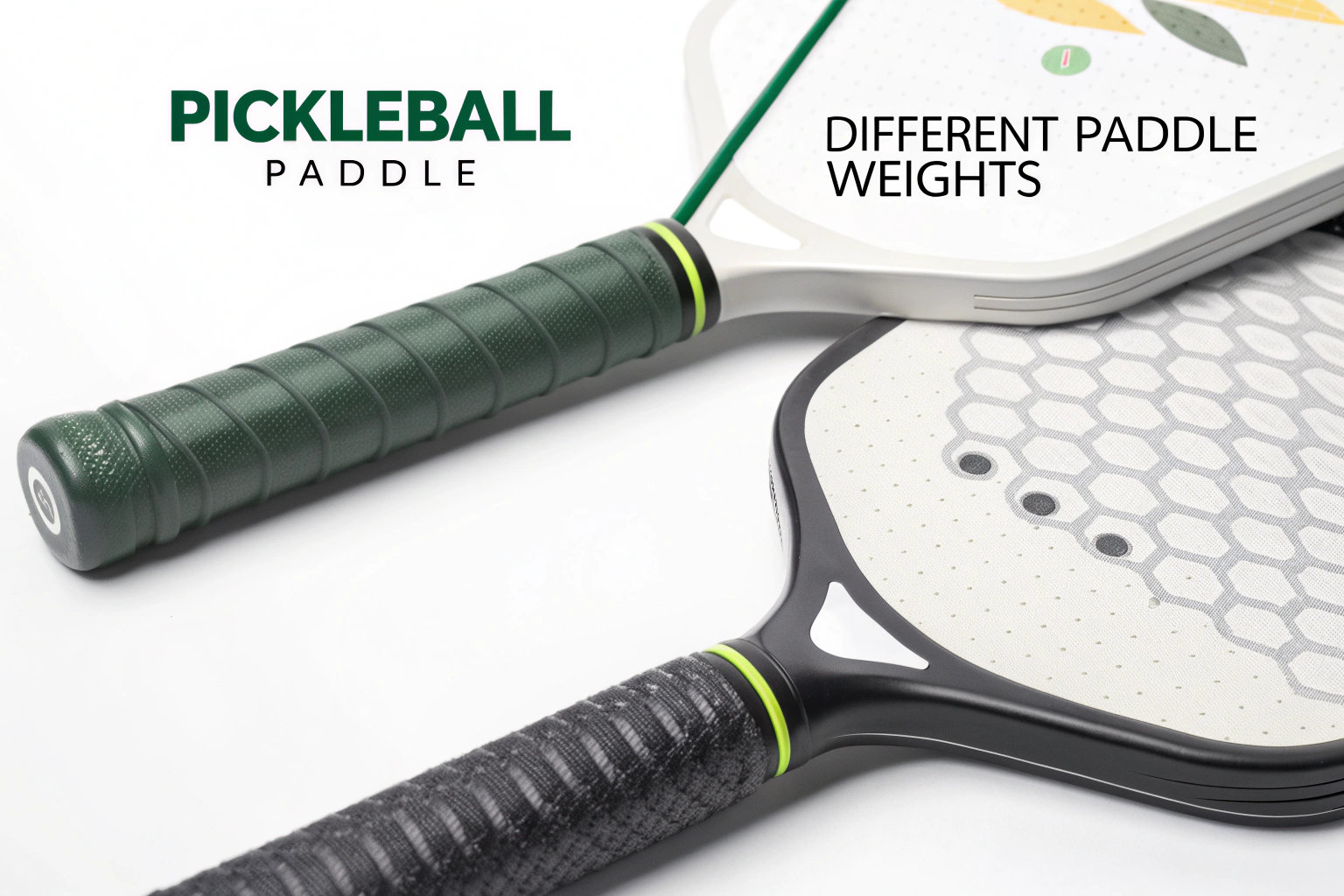
The weight of a pickleball paddle is one of the most important factors affecting its performance. Paddles typically weigh between 6 and 9 ounces, with variations affecting both power and control.
A good paddle provides the right balance between weight and maneuverability.
Weight and Its Impact on Play:
- Lightweight Paddles (6–7 ounces): Easier to control and maneuver, making them ideal for quick reflexes and net play. However, they may lack the power needed for deep shots.
- Midweight Paddles (7.5–8.5 ounces): The most popular choice, offering a balanced mix of power and control. These paddles are versatile and comfortable for most players.
- Heavy Paddles (8.5–9 ounces): Offer more power and stability but can be harder to maneuver. These paddles are suited for players who prefer hitting harder, deeper shots or have a more powerful playstyle.
A good paddle is one that matches the player’s needs—whether it's quick reactions or powerful shots. For most players, a midweight paddle offers the best combination of control and power.
How does the paddle’s grip affect comfort?
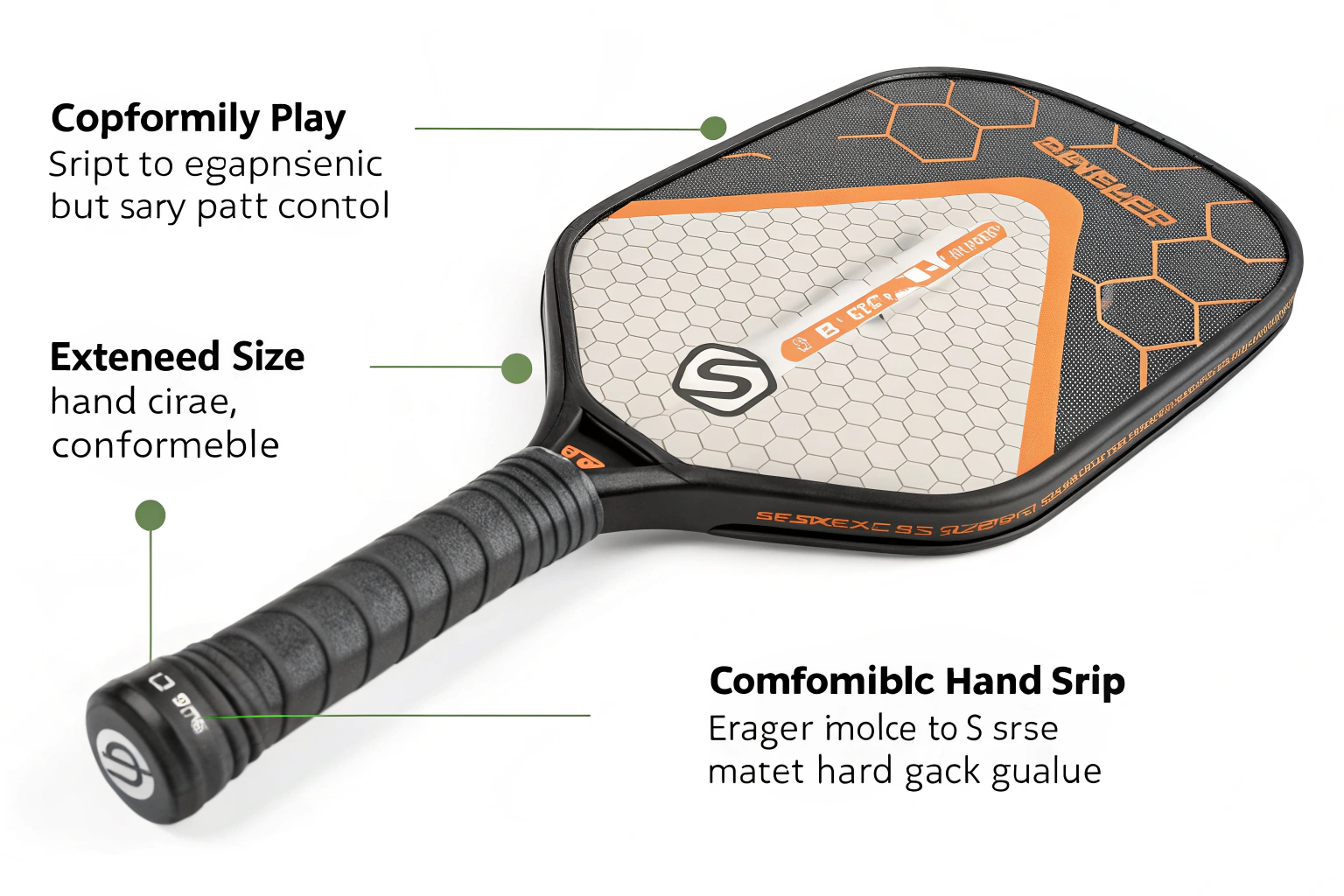
The grip size and material are crucial to the overall comfort and control of a pickleball paddle. An ill-fitting grip can cause hand fatigue, affect precision, and even lead to injury.
A good paddle features an ergonomic grip that suits the player’s hand size and provides comfort during extended play.
Key Grip Features:
- Grip Size: The most common grip sizes range from 4 to 4.5 inches. A smaller grip provides better wrist action, while a larger grip offers more stability and control. It’s essential to choose a grip size that fits comfortably in the hand.
- Grip Material: Rubber and cushioned grips offer better shock absorption, reducing vibration and improving comfort. High-quality paddles often feature grips with moisture-wicking properties to keep the hand dry during play.
Ensuring the grip size and material fit well can make a significant difference in comfort, control, and injury prevention. A good paddle will have a grip that feels comfortable in hand and allows for optimal maneuverability.
How does the paddle’s balance affect play?
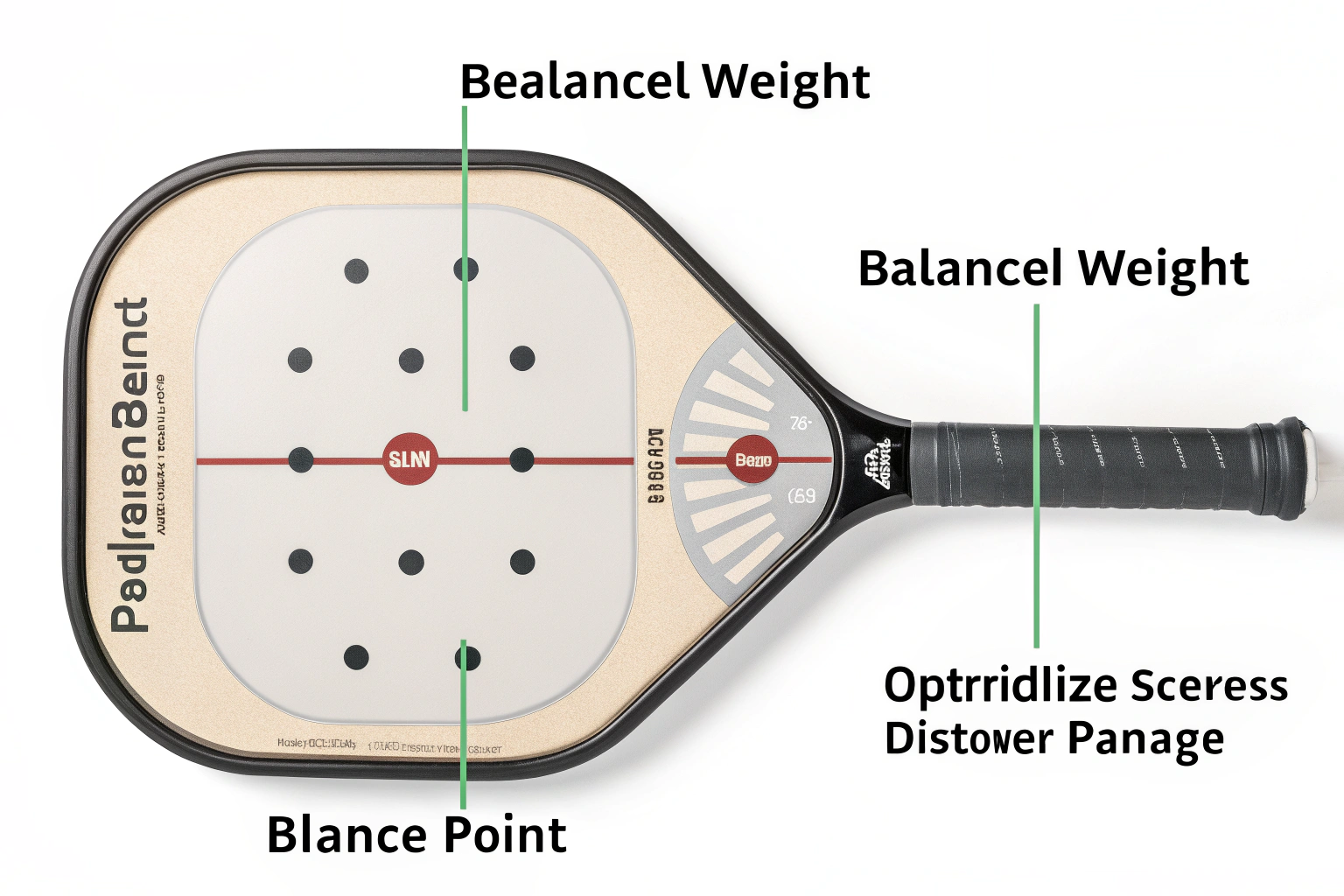
The balance of a paddle refers to the distribution of weight between the handle and the head of the paddle. This affects how the paddle feels during play and influences the player’s ability to control shots.
A good paddle has a balanced weight distribution that suits the player’s style of play.
Types of Paddle Balance:
- Head-Heavy Paddles: These paddles have more weight towards the head, providing more power on shots. They are ideal for players who focus on power shots and baseline play.
- Evenly Balanced Paddles: These paddles have weight evenly distributed across the paddle. They are versatile and offer a good balance between power and control.
- Handle-Heavy Paddles: These paddles have more weight in the handle, offering better control and maneuverability. They are often preferred by players who focus on net play and precision shots.
A good paddle’s balance should feel natural and match the player’s playing style, allowing for smooth, controlled shots.
How does the paddle’s durability affect long-term value?
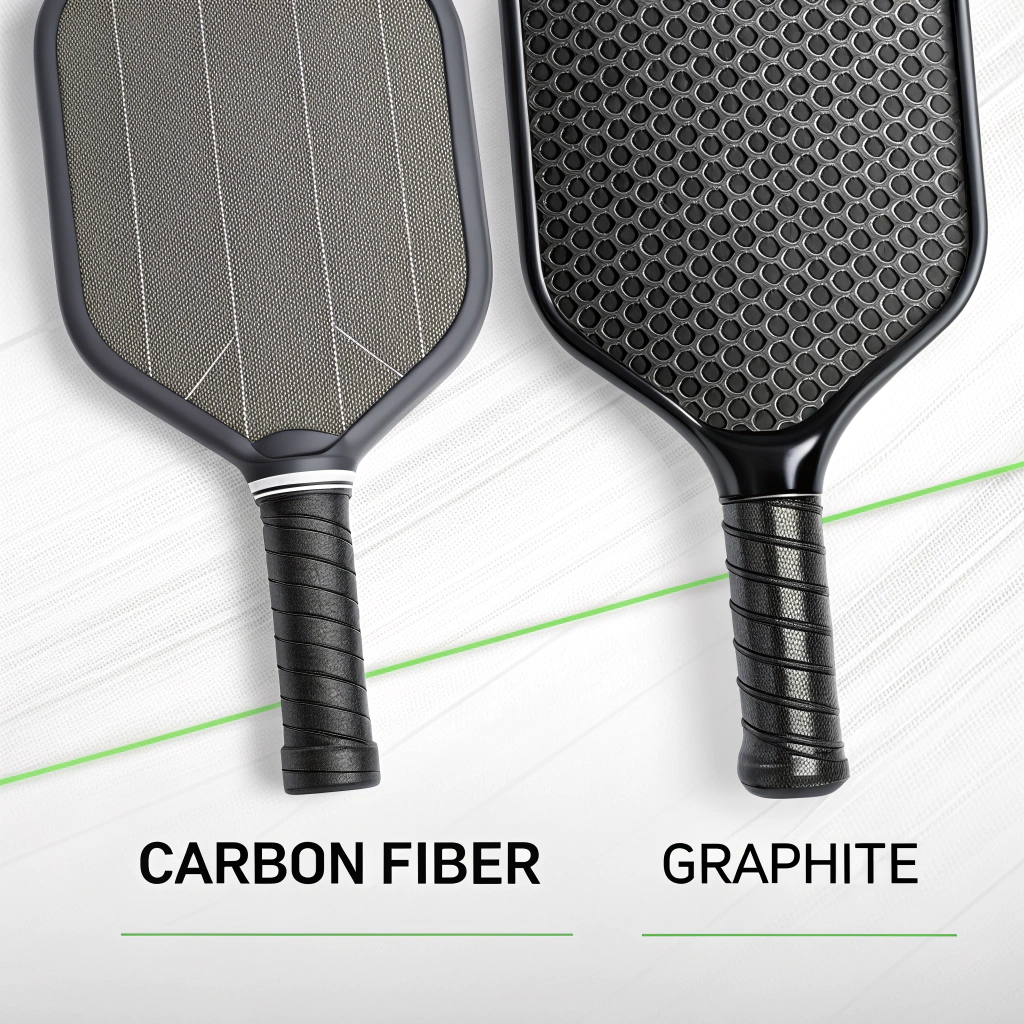
Durability is an essential factor when evaluating a pickleball paddle. A paddle that wears out quickly or loses its performance over time is not a good investment.
A good paddle is made with high-quality materials and construction techniques that ensure it will withstand extended use.
Durability Factors to Consider:
- Core Material: Polymer cores offer good durability, while Nomex and aluminum cores may wear faster with extended use.
- Surface Material: Carbon fiber faces are durable and resistant to wear, while fiberglass and plastic surfaces may wear out quicker.
- Edge Guard: A high-quality edge guard helps prevent damage to the paddle’s edges, extending its lifespan.
A good paddle is one that maintains its performance even after regular use. High-quality paddles made from durable materials will last longer and maintain their power, control, and feel over time.
Conclusion
A good pickleball paddle combines the right materials, weight, grip, balance, and durability. Whether you’re a recreational player or a competitive athlete, selecting the right paddle is essential to enhancing performance and ensuring comfort on the court.
Manufacturers should focus on providing paddles that offer a balance of power, control, comfort, and longevity to meet the diverse needs of players.
📩 For custom paddle manufacturing, expert design consultations, or sourcing high-quality materials, contact the Youth Padel team at hu@miao-ke.com or via WhatsApp at +86-13023656973. We offer full-service solutions to create paddles that meet player expectations and industry standards.