
Weight selection influences power, maneuverability, and match endurance. While many professional players favor heavier rackets for maximum stability, some elite athletes do use lighter constructions to increase reaction speed and improve handling in fast exchanges.
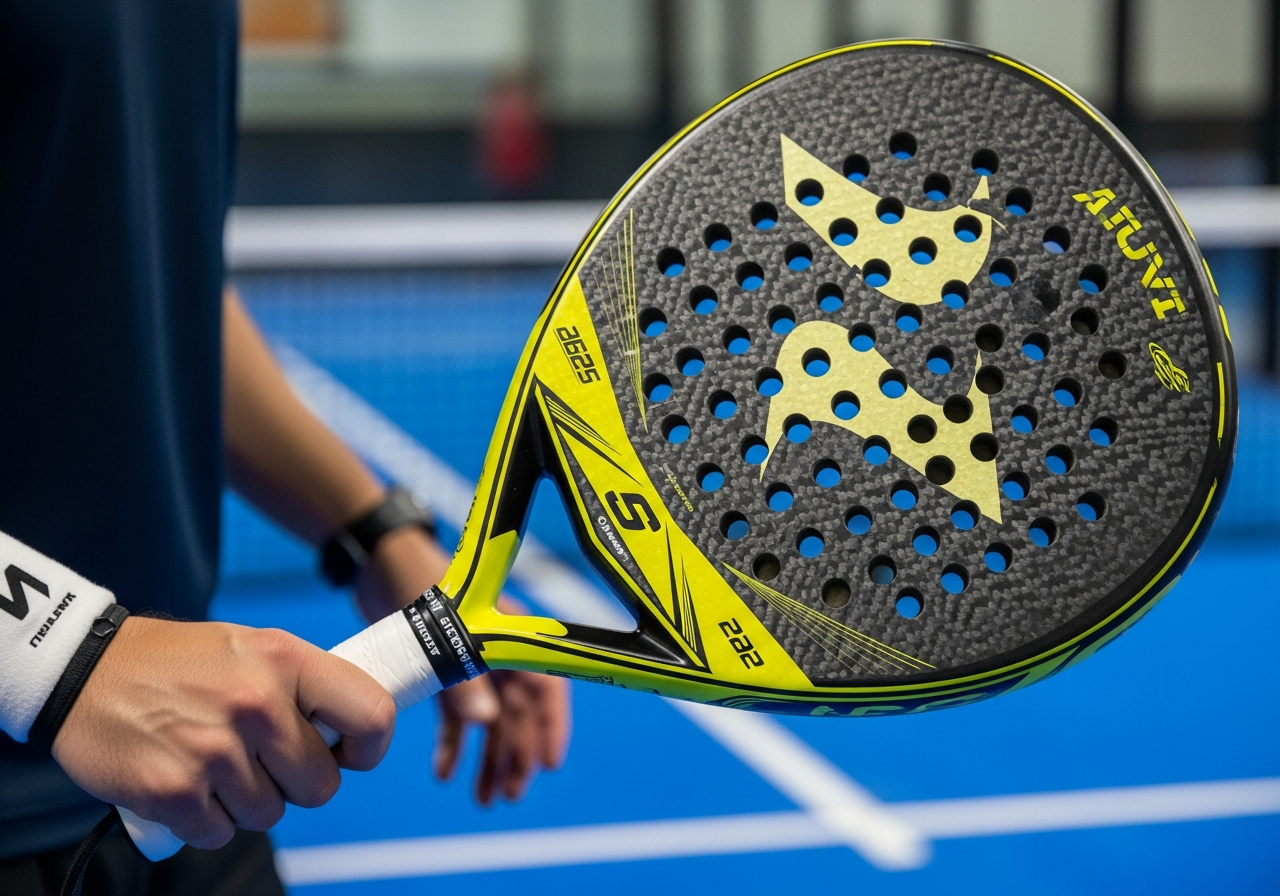
Light rackets are used by pros when a quicker swing and sharper defensive transitions are more valuable than maximum hitting mass.
This information supports brand owners, distributors, retailers, clubs, and manufacturing partners when planning product portfolios and evaluating weight profiles for different performance categories.
Why Do Some Professional Players Choose Lighter Rackets?
A lighter racket allows faster acceleration, quicker positioning, and reduced fatigue during long matches—advantages that suit specific playing styles.
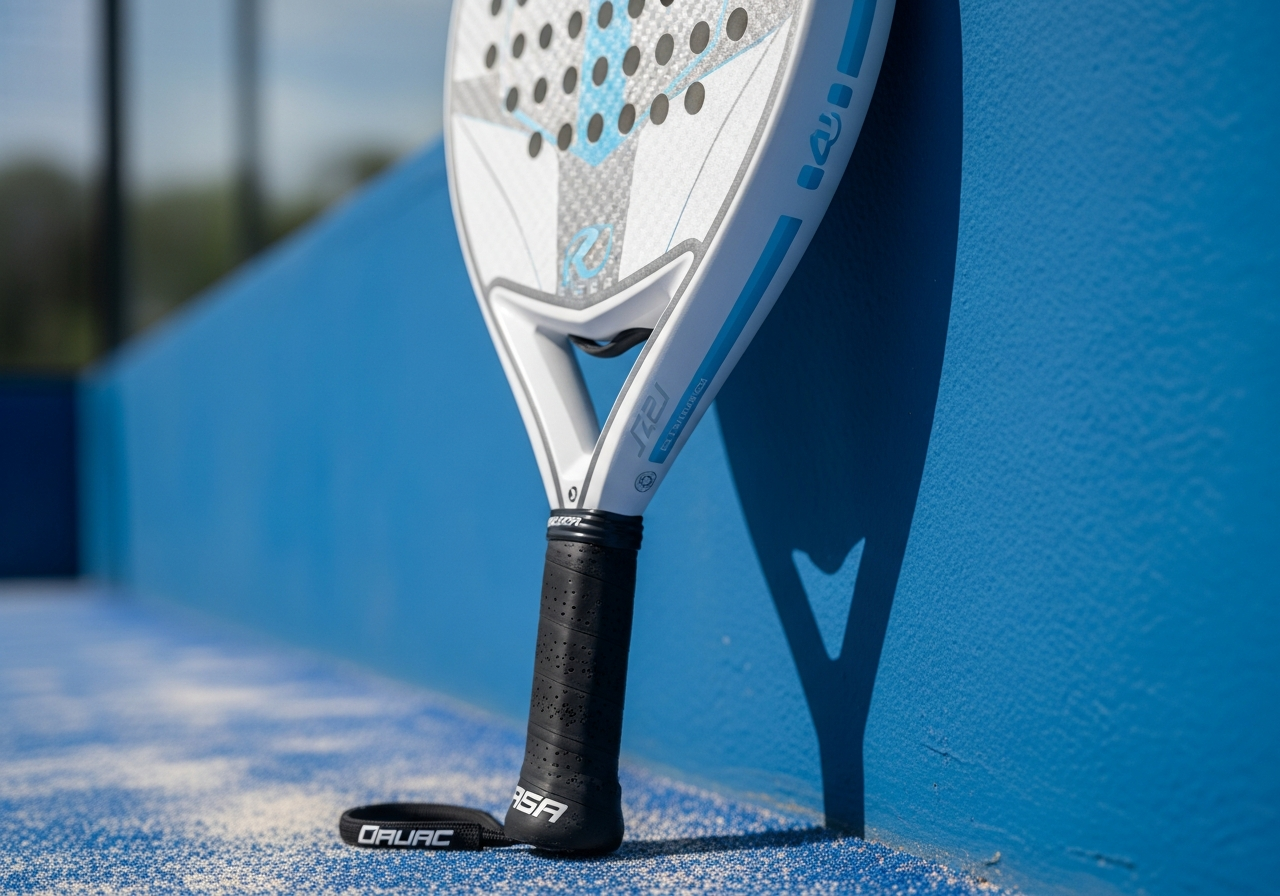
Professionals who rely on agility, rapid volley exchanges, and defensive coverage may choose lighter models to shorten reaction time. This weight category helps maintain rhythm during intense rallies and enables subtle wrist movements for controlled lobs, drops, or quick directional changes. Although lighter rackets generate slightly less mass-driven power, improved maneuverability creates tactical advantages.
Factories developing light-performance frames must maintain structural strength despite reduced mass. Carbon layups, balance distribution, and core density must be engineered precisely to avoid vibration issues and maintain durability under professional-level impact speeds.
How Does Weight Influence Professional-Level Performance?
Weight affects shot momentum, balance behavior, energy transfer, and control under pressure.
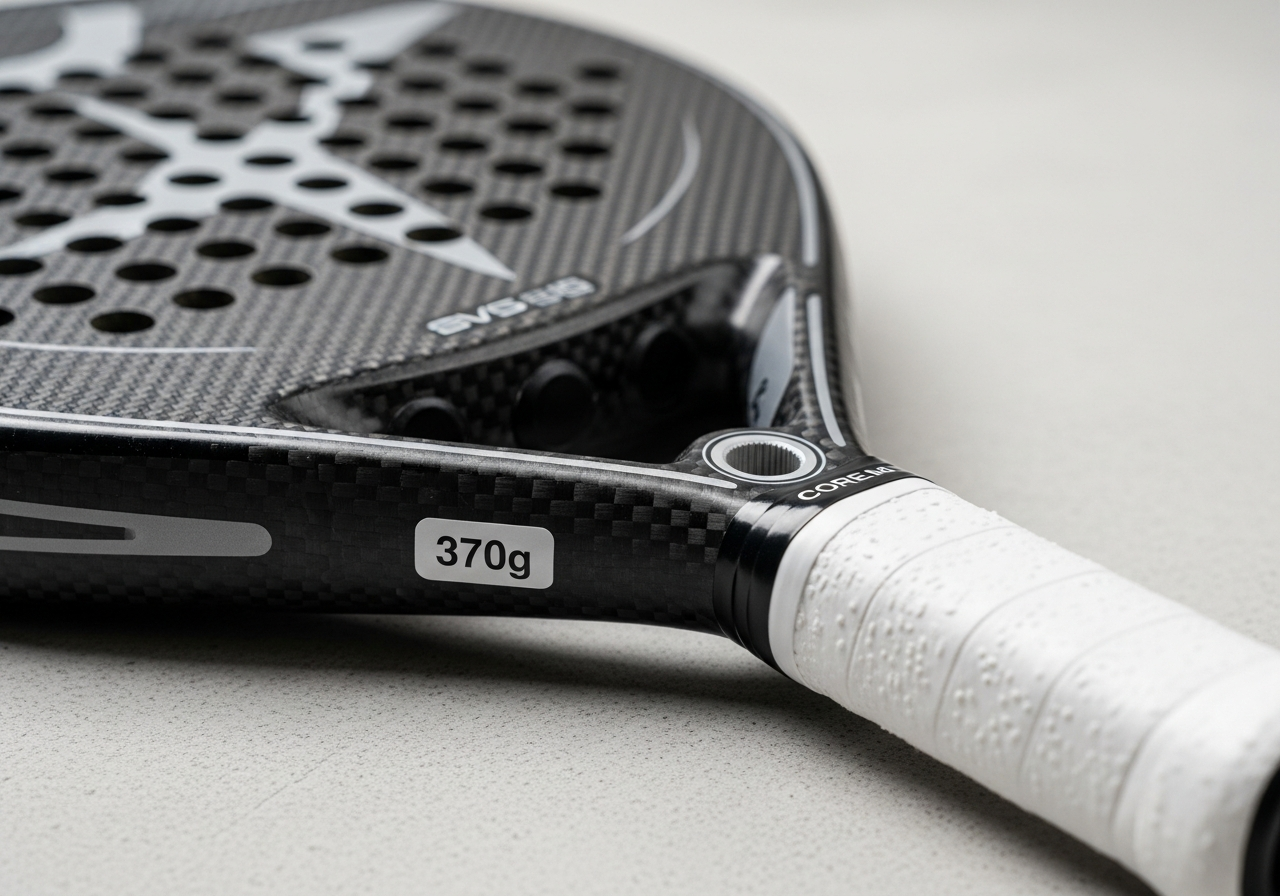
Light rackets generally fall between 340–355g, depending on grip configuration and balance tuning. Professionals selecting this category prioritize rapid response over mass-driven power. Lighter models help reduce arm strain during long tournaments and allow better repositioning in tight spaces near the net.
Manufacturing facilities maintain weight accuracy through calibrated carbon layering systems and automated fiber-cutting machines. Resin application must remain uniform to prevent hidden mass variations. These factory controls ensure consistent performance across all units in professional or high-level product lines.
What Material and Construction Features Allow Pros to Use Light Rackets?
Advanced materials like high-grade carbon fiber enable rackets to remain strong even at lower weights.
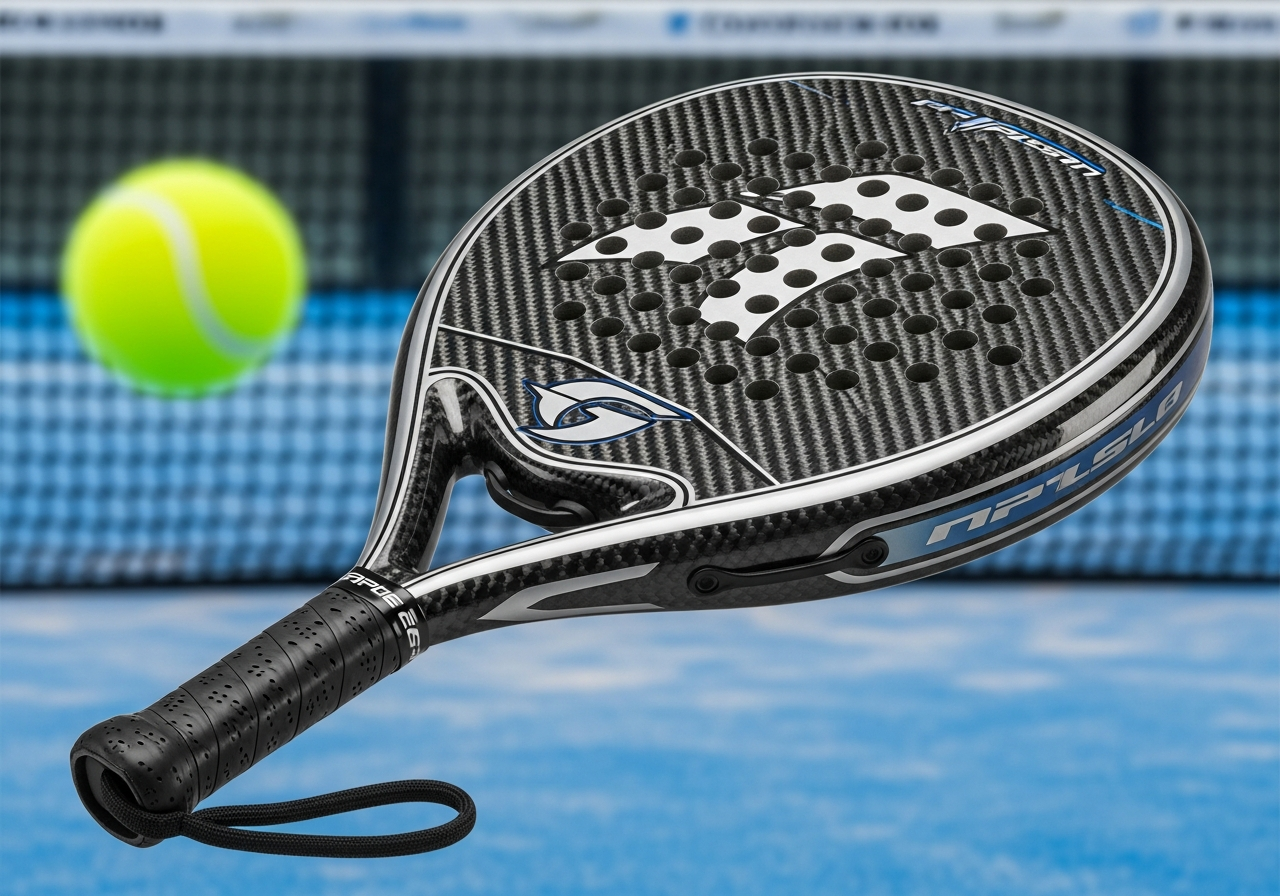
Light models used at the professional level rely on engineered carbon structures that combine stiffness with reduced mass. 12K, 18K, and hybrid carbon systems allow the frame to maintain precision during powerful shots despite lighter construction. EVA cores are tuned to complement the reduced mass, ensuring stable rebound and consistent feel.
Factories achieve this balance through CNC mold engineering, temperature-controlled curing, and layer-by-layer reinforcement in critical stress areas. Precision bonding and pressure calibration ensure the frame remains rigid and responsive even when total weight is minimized.
When Is a Light Racket the Best Choice for a Pro?
A light racket becomes the optimal choice for players who prioritize speed, agility, and defensive efficiency.

Players with high mobility who create advantages through quick transitions benefit most from light construction. Professionals focusing on fast volleys, creative angles, and off-balance recoveries often perform better with lighter weight categories. Meanwhile, power-oriented players typically prefer heavier frames to maximize impact force.
For brands and retailers, offering a well-engineered light-performance model ensures complete coverage across all professional play styles. Manufacturing partners supporting OEM/ODM development can tailor carbon density, balance points, and EVA hardness to create precise light-category performance profiles.
Conclusion
Some professional padel players do use light rackets, especially those who rely on fast reactions, fluid movement, and technical control. Light rackets offer maneuverability and reduced fatigue, supported by high-grade carbon fiber, refined engineering, and precise factory production. When manufactured with strong structural reinforcement and consistent quality control, light-weight models can perform at the highest levels and maintain durability across extended performance cycles.
Reliable production systems—such as CNC mold creation, automated carbon layering, calibrated curing, and detailed inspection—ensure that light rackets deliver stable performance across large orders. These advantages support brands, distributors, retailers, clubs, and manufacturing partners developing complete performance product lines for both professional and competitive players.