
Light padel rackets provide excellent maneuverability, fast reaction speed, and reduced fatigue. They are especially effective for players who prioritize control, quick exchanges, and long-duration comfort. Their performance depends not only on weight but also on factory engineering, balance design, and material structure.
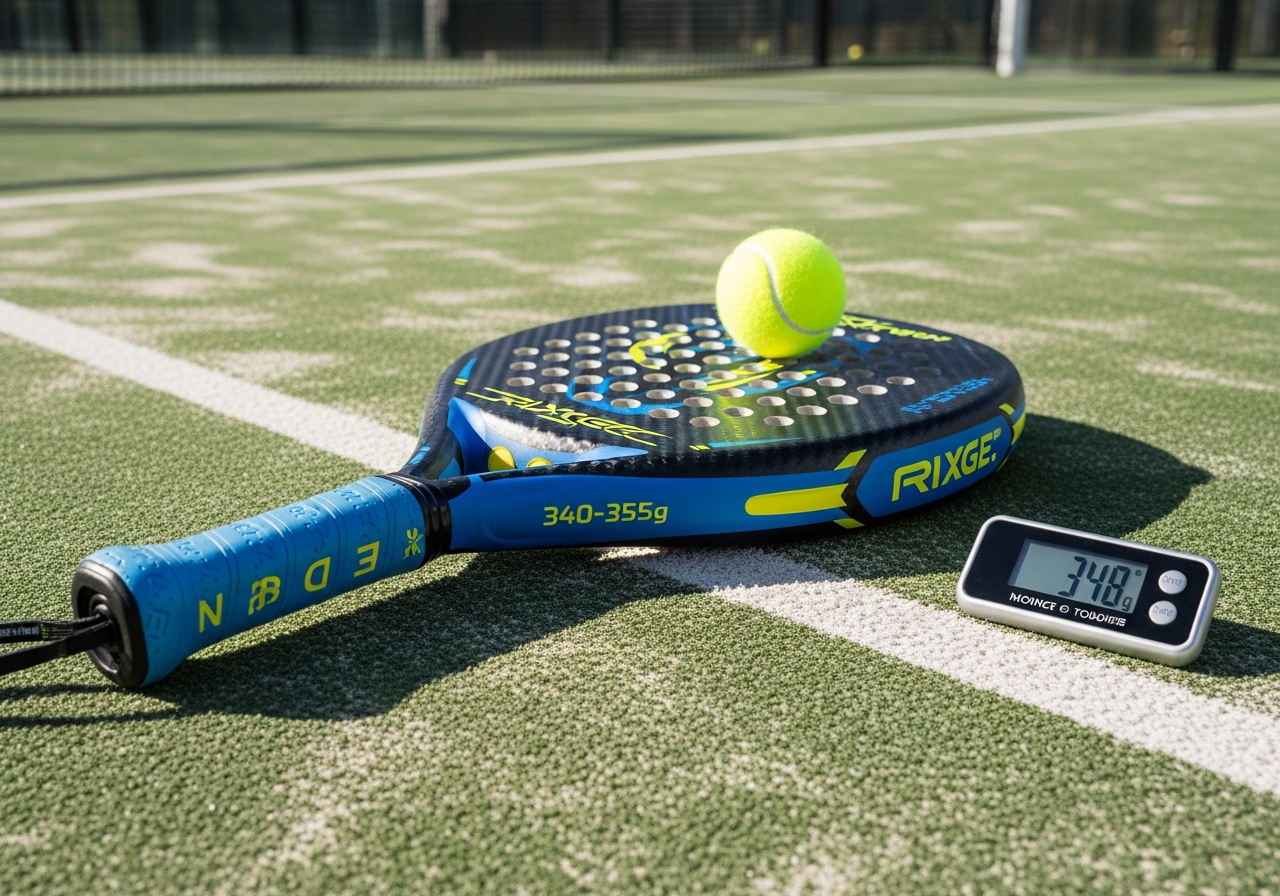
Light rackets typically weigh 340–355g and offer an efficient blend of handling and stability when properly constructed.
This guidance supports brand owners, distributors, retailers, clubs, and manufacturing partners evaluating lightweight product lines or selecting models tailored to specific player groups.
Why Are Light Rackets Easier to Maneuver?
Light rackets accelerate quickly and offer smooth handling during fast-paced rallies.
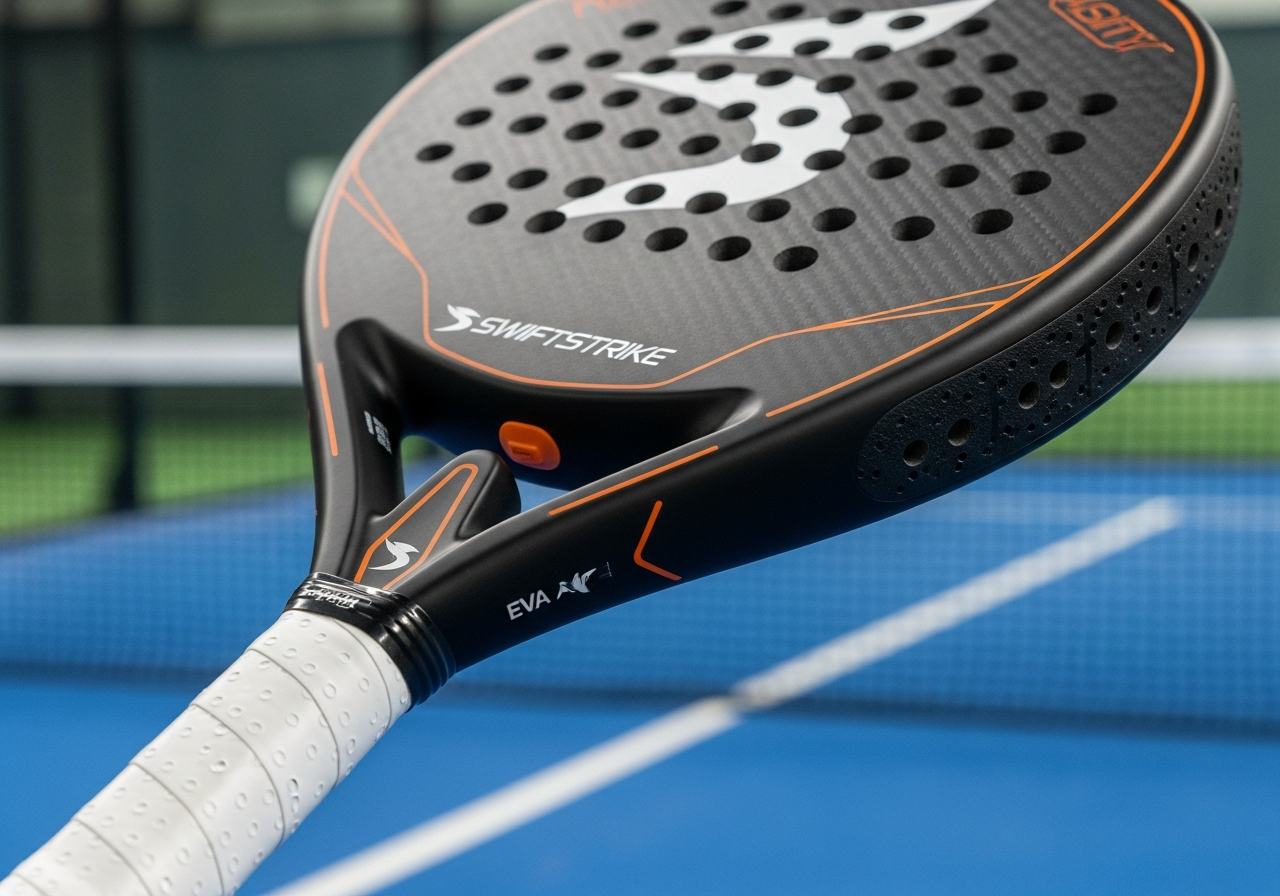
Their reduced mass allows faster repositioning at the net and during defensive stretches. Players can react more efficiently to quick volleys, angled shots, and overhead transitions without experiencing arm fatigue. This makes light rackets ideal for developing technique and maintaining rhythm during extended sessions.
From a manufacturing standpoint, achieving this easy maneuverability requires precise weight calibration. Carbon layers must be applied with consistent thickness, and resin amounts must be controlled to avoid hidden mass variations.
How Does Weight Influence Comfort and Endurance?
Light rackets reduce physical load on the arm, wrist, and shoulder.
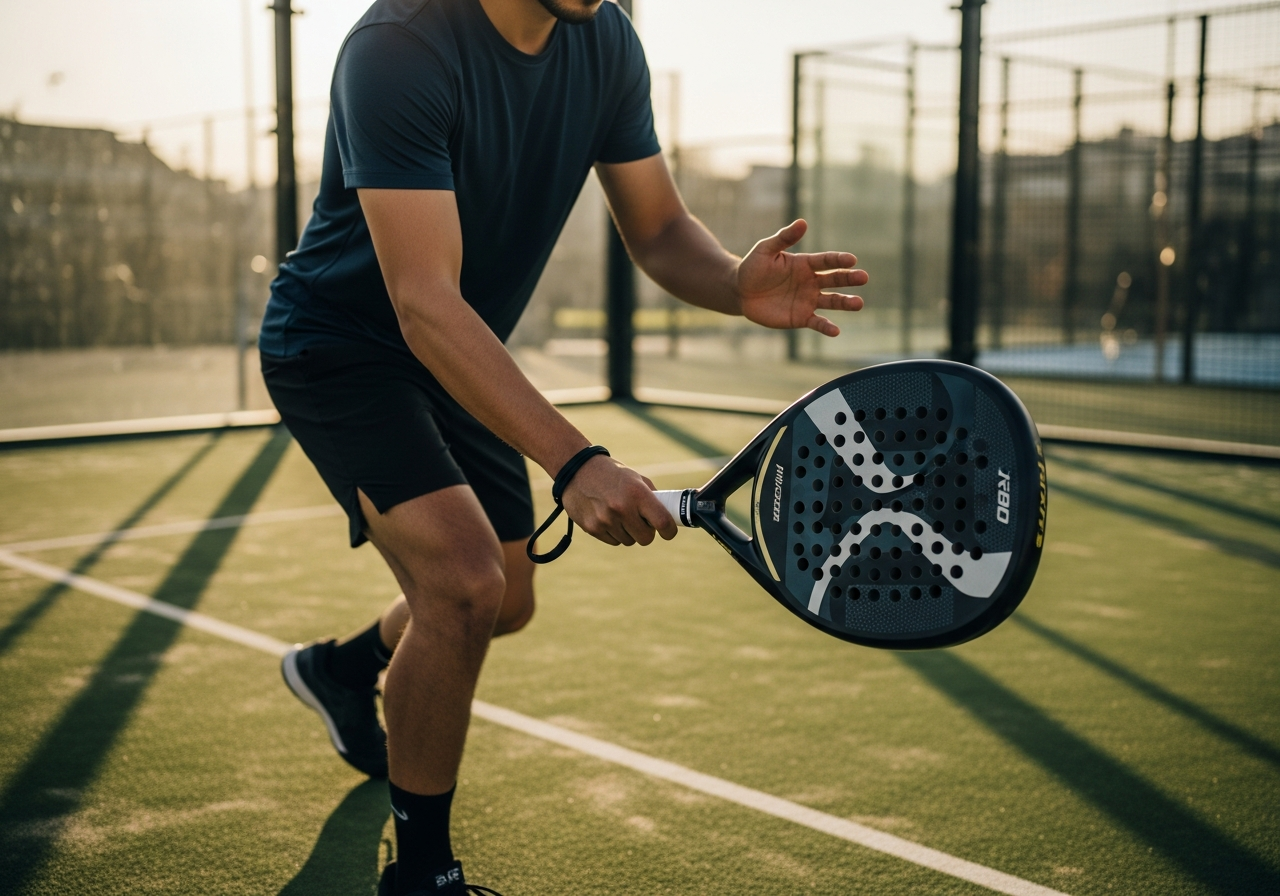
The lower weight minimizes tension during repeated swings and supports continuous play without discomfort. This benefit is particularly noticeable in training environments, where players perform long sequences of volleys and defensive recoveries.
Factories maintain comfort consistency through strict quality inspection—digital weighing, balance verification, and stiffness testing. These processes ensure that every lightweight racket behaves identically across large production batches.
How Does Balance Shape the Feel of a Light Racket?
Balance point determines how “light” or “stable” a racket feels during movement.
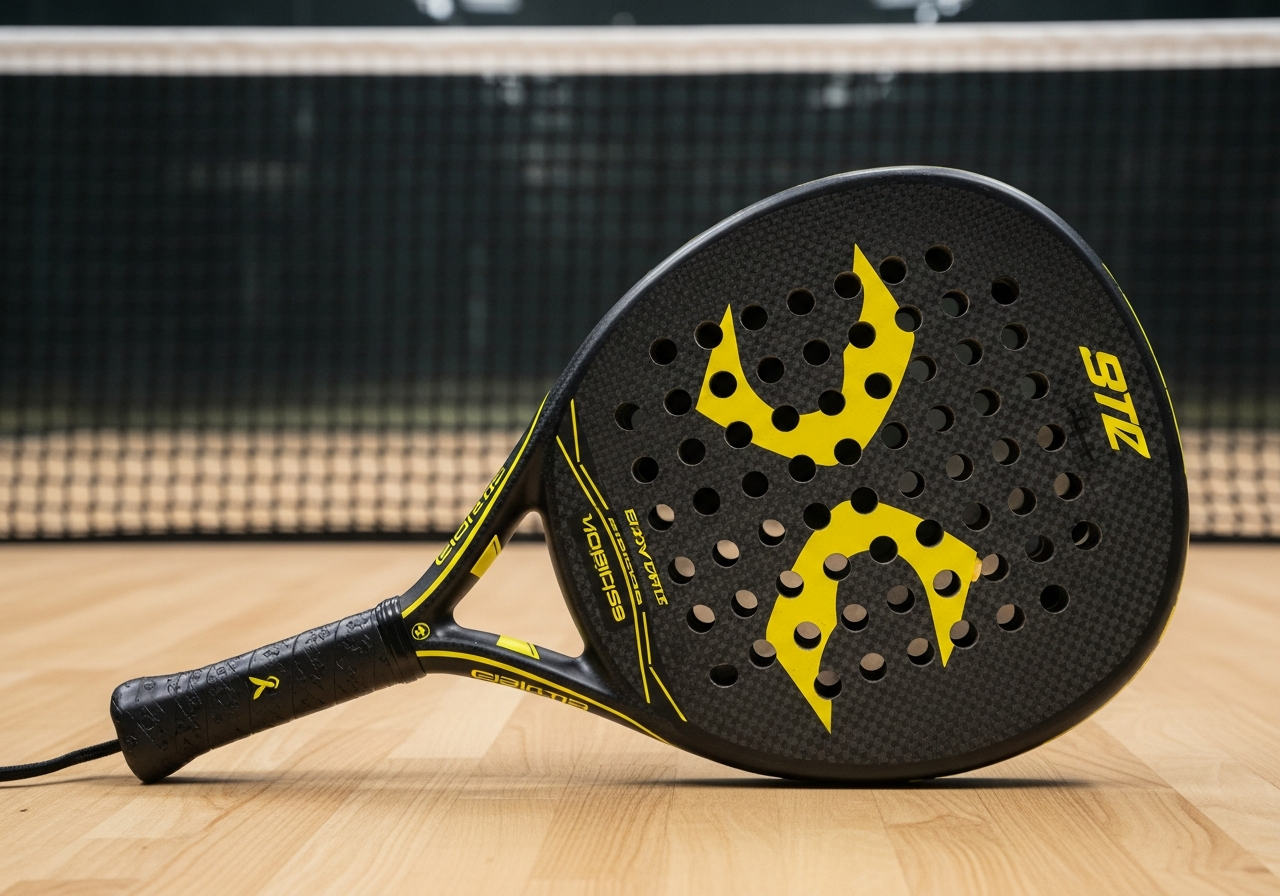
A head-light configuration maximizes speed and control, while a slightly head-heavy layout helps compensate for lower weight by adding momentum. Achieving the correct balance requires accurate mold geometry, uniform fiber distribution, and calibrated finishing processes.
During production, balance adjustments are made through grip layering, resin trimming, and reinforcement placement, ensuring every unit meets the intended specifications for its performance category.
Are Light Rackets Durable Enough for Regular Use?
Durability depends on engineering quality, not weight alone.
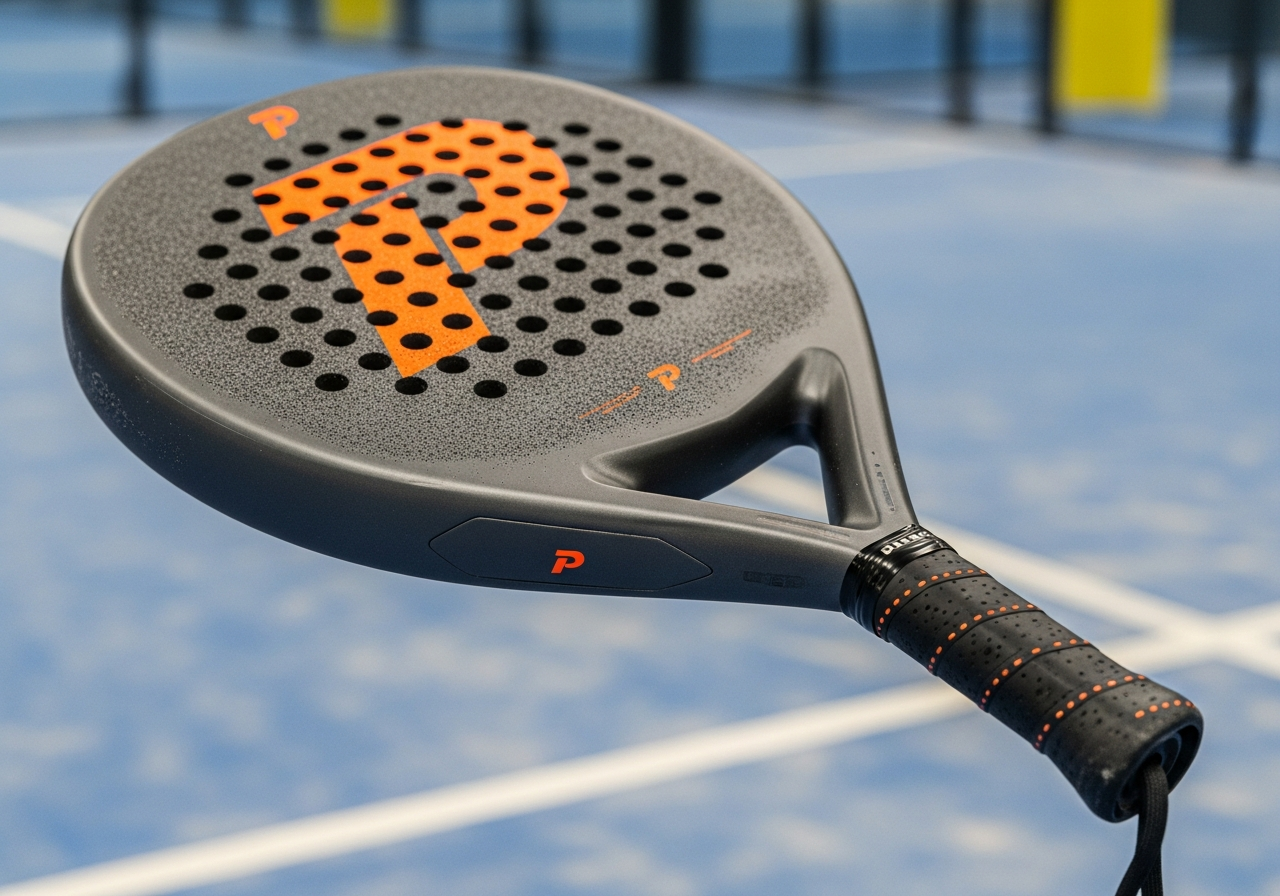
Premium lightweight rackets use advanced carbon combinations and reinforced structural layouts to withstand repeated high-impact conditions. Reinforced bridge areas and multi-layer carbon sequences protect the frame from cracking or softening over time.
Factories conduct stress testing, frame inspection, and EVA bonding verification to ensure structural integrity. This ensures light rackets remain reliable for retailers, clubs, and distributors supplying high-frequency training environments.
Conclusion
Light padel rackets are effective for players who value maneuverability, comfort, and fast reaction speed. When engineered with high-quality carbon, optimized balance, and precise EVA tuning, lightweight models provide both control and power while maintaining long-term durability. Manufacturing precision—CNC mold accuracy, calibrated curing, controlled carbon layup, and strict inspection—ensures consistent results across all units.
These engineering advantages allow brand owners, distributors, retailers, clubs, and manufacturing partners to develop reliable lightweight collections that meet the needs of both recreational and competitive players.