Your racket should complement your skill level, playing style, and physical abilities. By considering factors like weight, balance, head size, grip size, and string tension, you can make a choice that fits your game.
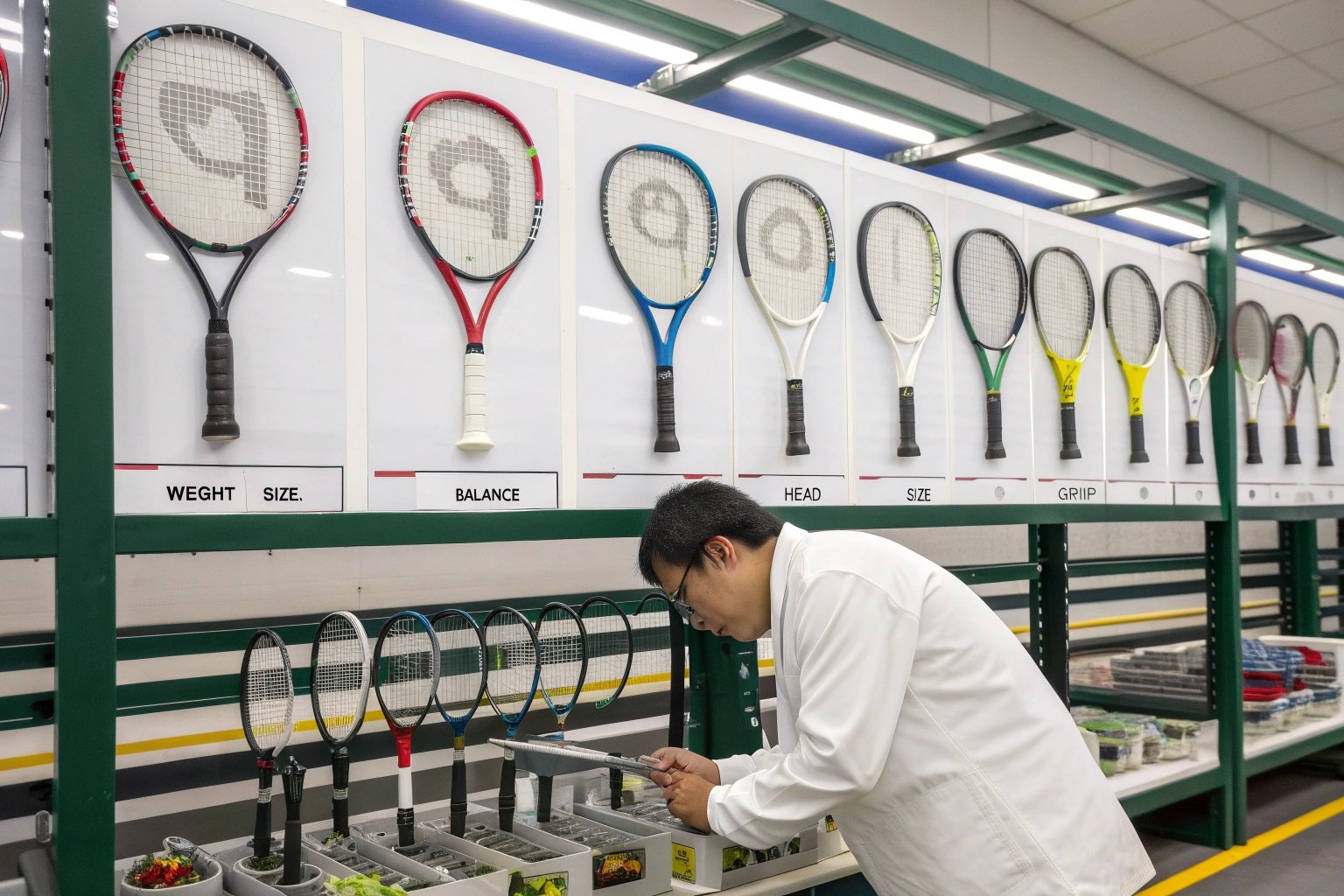
When shopping for a tennis racket, it’s essential to understand the different features that influence how the racket feels during play. For example, the weight of the racket can greatly impact how fast you swing it and the power you can generate. Similarly, the balance of the racket determines how it handles and whether it’s suited for aggressive or defensive players. As you go through the selection process, the goal is to choose a racket that feels comfortable and boosts your strengths while accommodating your weaknesses.
Weight and How It Affects Your Play
The weight of the racket is one of the most critical factors in selecting the right one for your game. A racket that is too heavy or too light can make a significant difference in how you perform on the court. Generally, lighter rackets are easier to maneuver, making them suitable for players who rely on speed, agility, and quick reactions. If you tend to play with a more reactive or defensive style, a lighter racket can help you position the racket quicker during fast exchanges.
On the other hand, heavier rackets provide more stability and power, especially during serves and groundstrokes. These rackets are typically better suited for players who focus on generating forceful shots. A heavier racket will help transfer energy from your swing into the ball, but it may be harder to maneuver if you don’t have the strength or control to handle it. As a beginner, lighter rackets are usually more comfortable, but intermediate and advanced players may find heavier rackets offer more control.
Head Size and Its Impact on Power and Control
The size of the racket head is another crucial element to consider when choosing your racket. A larger head size generally increases the sweet spot, making it easier to hit the ball accurately. This can be very helpful for beginners who are still developing their technique, as larger heads provide more forgiveness on off-center hits. In addition to providing a larger sweet spot, bigger head sizes often result in more power, making it easier to hit deep shots without as much effort.
Conversely, a smaller head size provides greater control, but it requires a more precise hit for maximum effectiveness. Players who have developed solid technique and want to fine-tune their shots will likely prefer a smaller head size. With a smaller head, players can place the ball more accurately and achieve better spin, but it requires more skill and consistency to hit the ball effectively. For most recreational players, a mid-size head between 95-105 square inches strikes a good balance of power and control.
Racket Balance: How to Choose Between Head-Heavy, Head-Light, or Even Balance
Racket balance refers to how the weight is distributed along the length of the racket. This feature plays a big role in how the racket feels and reacts during different shots. A head-heavy racket, which has more weight in the head of the frame, provides additional power on groundstrokes and serves. This is ideal for players who rely on heavy hitting and want a racket that gives them more force during their shots. However, a head-heavy racket may be more challenging to maneuver at the net or during quick exchanges.
Head-light rackets, on the other hand, are more maneuverable, allowing for quicker reactions and better control, especially when you’re playing at the net. These rackets are great for players who rely on speed and precision rather than power. An even-balance racket provides a compromise, offering a good combination of both power and control. This is a good option for all-around players who want to adapt to different situations on the court.
Grip Size: Comfort and Control
The right grip size is essential for ensuring comfort during play. If the grip is too small, your hand may move too much during swings, leading to a lack of control. Conversely, if the grip is too large, it can be difficult to generate the wrist snap needed for spin and control. The grip should feel snug but not restrictive. You should be able to comfortably wrap your fingers around the handle with a little space between your fingers and palm.
If you’re unsure about your grip size, you can measure the distance from the tip of your ring finger to the middle crease of your palm. There are standard grip sizes available, but sometimes you may need to adjust with an overgrip to achieve a perfect fit. The right grip size will improve your comfort and allow for better control during both offensive and defensive plays.
Racket Material: Durability and Feel
Racket frames are typically made of different materials, such as graphite, aluminum, titanium, or a combination of various materials. Graphite is the most common material used for high-performance rackets, as it’s lightweight, durable, and responsive. Rackets made from graphite offer a good balance of power and control, making them suitable for a wide range of players.
Aluminum rackets, often found in entry-level models, are affordable and durable but are generally heavier and less flexible, which can affect performance. Titanium rackets are lightweight and strong, making them a great choice for advanced players who need precision and durability. Some rackets combine materials like graphite and titanium to offer a mix of lightness, strength, and power.
String Tension: Finding the Right Balance
String tension can affect the feel of your racket and your overall performance. High string tension provides more control and precision, but it can reduce power. Lower string tension, on the other hand, offers more power and a larger sweet spot, but it sacrifices some control. If you’re a beginner, medium string tension is often the best choice as it provides a good balance of both power and control.
As your skills progress, you may choose to adjust your string tension based on your playing style. Players who rely on control may increase the tension for more precision, while those who focus on power may prefer looser strings. It’s important to experiment and find the tension that works best for your game.
Conclusion
Choosing a suitable tennis racket is a highly personal decision that depends on factors like weight, head size, balance, grip size, and material. The ideal racket will feel comfortable in your hand and enhance your performance based on your playing style. Whether you’re just starting or an advanced player, taking the time to select the right racket will help you play better and enjoy the game more.