Are you struggling to choose the right pickleball paddle? Understanding the materials can make all the difference in your game. Let’s dive into why materials matter and how to select the best one for you.

The material of your pickleball paddle affects its weight, power, control, and durability. Choosing the right material can elevate your game, whether you’re a beginner or a seasoned player.
Pickleball paddle materials play a crucial role in how you experience the game. It’s not just about the look or feel; the right material can help you with control, power, and even prevent injuries. Let’s take a closer look at what these materials mean for your game.
What are the common pickleball paddle materials?
When it comes to pickleball paddles, not all materials are created equal. Some offer better power, others better control, and some last longer than others.
The most common materials used in pickleball paddles are wood, composite, and graphite. Each has its unique benefits and drawbacks.
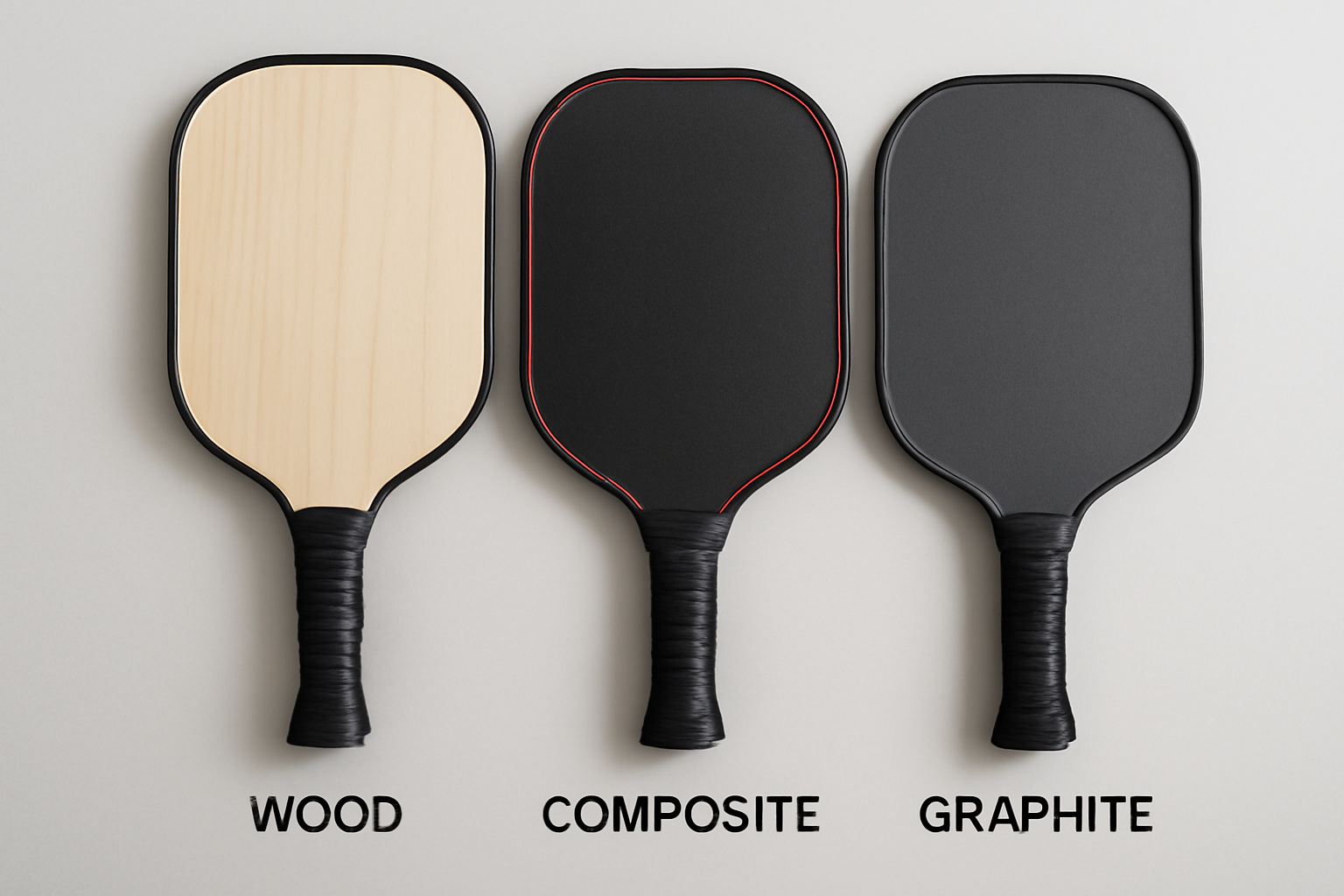
Wood paddles are typically the most affordable, but they are heavy and can offer less control. Composite paddles, made from a mixture of materials such as fiberglass or carbon fiber, offer a good balance of power and control. They are the most popular choice for recreational players and even competitive players at the beginner and intermediate levels. Graphite paddles, on the other hand, are lightweight, offer exceptional control, and are ideal for players looking for precision and finesse. However, graphite paddles tend to be pricier compared to wood or composite paddles.
Why does the weight of the paddle matter?
Weight is one of the most important factors to consider when selecting a pickleball paddle. But how does it affect your game?
The weight of the paddle can impact your ability to control the ball, generate power, and avoid fatigue. Lighter paddles offer more control, while heavier paddles offer more power.
Lighter paddles are ideal for players who prioritize quick reflexes and control. They allow you to move the paddle more quickly, which is great for beginners or those who prefer a more controlled, strategic game. On the other hand, heavier paddles give you more power behind your shots, which can be beneficial when you’re aiming for aggressive plays. The best way to choose the right weight is to consider your style of play. If you rely on power, a heavier paddle might be more appropriate. If you value precision and control, a lighter paddle will serve you well.
How does the core material impact the paddle?
The core of a pickleball paddle can significantly affect its performance. The core material contributes to the overall feel, power, and sound of the paddle.
Popular core materials include Nomex, polymer, and aluminum. Each offers distinct playing characteristics.
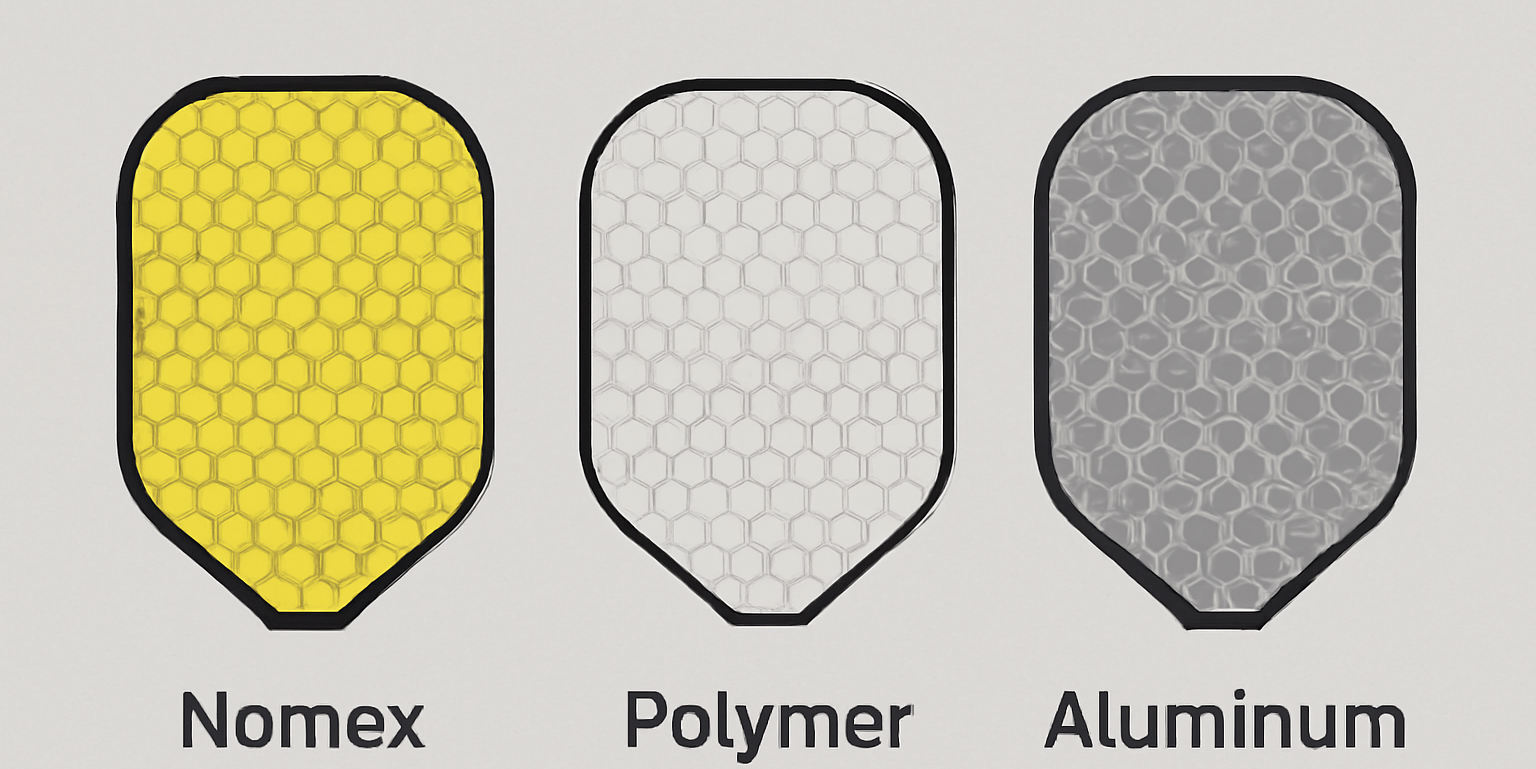
- Nomex cores are made from a hard plastic material, known for providing power and durability. This core type tends to be more rigid, which gives the player a firmer hit.
- Polymer cores are softer and offer a quieter feel with more control. They also tend to absorb shock, which reduces the strain on your arm, making them a great option for players with elbow or wrist concerns.
- Aluminum cores provide a good balance of power and control. They tend to be lighter than Nomex cores and offer a more consistent feel during play.
How does the grip size affect your paddle choice?
Choosing the right grip size is just as important as selecting the right paddle material. An incorrect grip size can affect your control and comfort on the court.
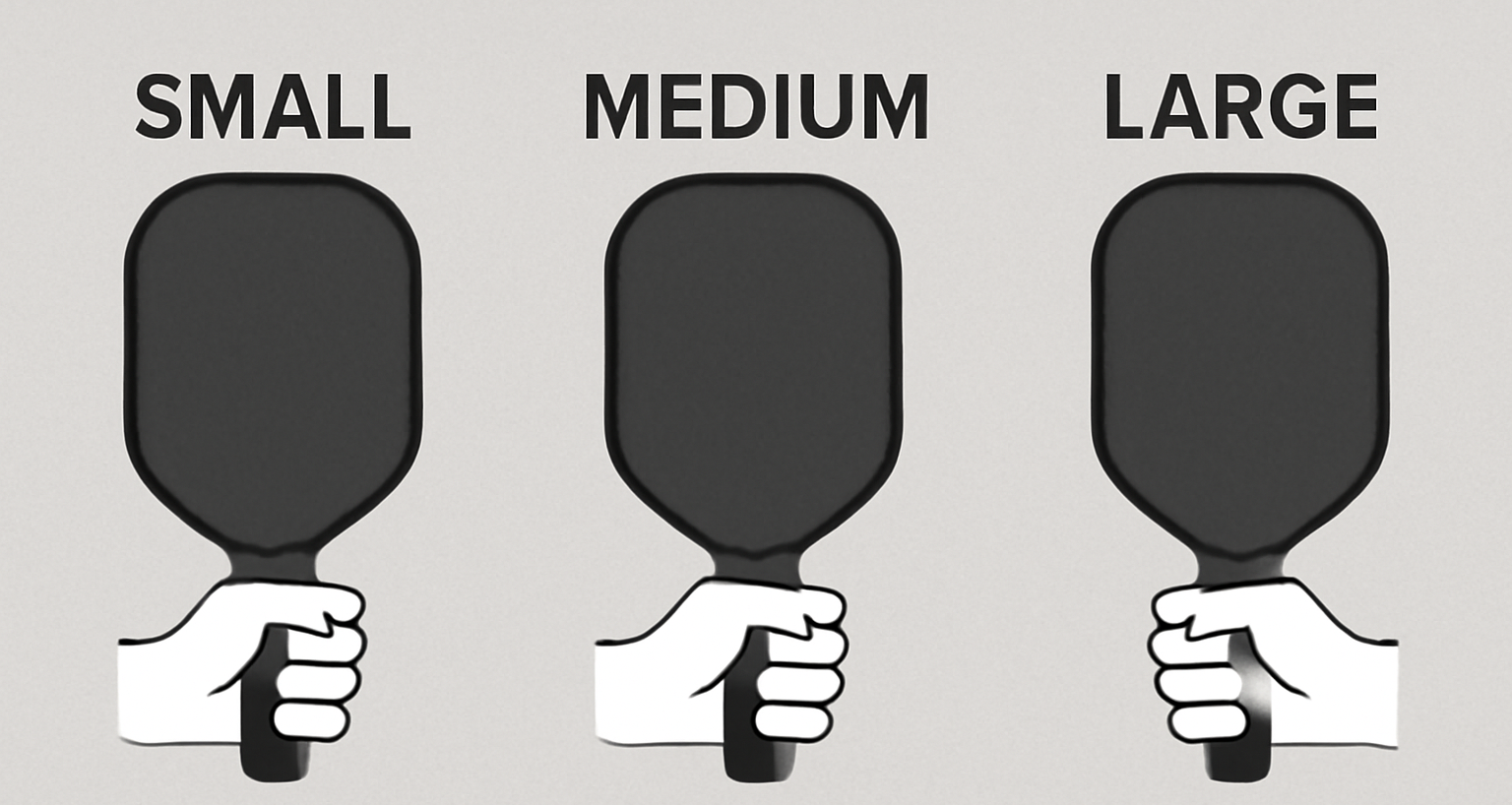
Grip size matters because it affects how comfortable the paddle feels in your hand and how well you can control it. A grip that is too small or too large can lead to hand fatigue and less precision.
When choosing your paddle, the grip size should feel snug in your hand, without causing strain. A grip that’s too small will make your hand move too much on the handle, while a grip that’s too large can limit your ability to adjust your hand’s position, reducing control. Most paddles come in a range of grip sizes, and it’s important to test a few out to find the one that feels most comfortable. For beginners, a medium grip is usually recommended, but you may need to adjust based on your hand size.
How to choose between composite and graphite paddles?
Now that you understand the different materials, how do you decide between composite and graphite paddles? Both have their unique benefits.
Composite paddles are great for beginners and intermediate players because they offer a solid mix of power, control, and price. Graphite paddles are ideal for advanced players who prioritize control and precision.
Composite paddles are versatile and offer a balance between control and power, making them a popular choice for most players. The added benefit is that they are more affordable than graphite paddles. Graphite paddles, on the other hand, tend to be lightweight and provide excellent control and touch. This makes them ideal for players who like to place the ball with precision. If you’re an advanced player or plan to compete in tournaments, graphite might be the way to go. However, if you’re just starting out or still developing your game, composite paddles may offer the best overall value.
How does the paddle’s surface affect play?
The surface texture of your pickleball paddle can influence how much spin you can put on the ball.
Textured surfaces allow for more spin on the ball, making it easier to control shots and outplay your opponent.
Paddles with textured surfaces give you better grip on the ball, allowing for more spin and better ball control. If you’re someone who likes to add topspin or sidespin to your shots, look for a paddle with a textured surface. Some paddles have a rougher texture, while others are smoother. The amount of spin you can generate depends on the texture and how you hit the ball. Beginners may find it easier to control the ball with a smoother surface, while advanced players who use spin regularly might prefer a more textured option.
Conclusion
The material of your pickleball paddle plays a crucial role in your performance. Whether you’re choosing based on weight, core material, grip size, or surface texture, it’s important to select a paddle that suits your playing style. By considering these factors, you can enhance your game and enjoy pickleball even more.