
A low-quality racket can reduce confidence, create discomfort, and affect performance. Choosing the right high-performance padel racket helps players enjoy better control, power, and long-term value.
A high-performance padel racket combines advanced carbon materials, balanced weight distribution, suitable hardness, and professional manufacturing processes. The best racket is not always the hardest or most expensive one. It is the racket designed for the right playing style.
The padel market is growing quickly, and many brands, distributors, and professional buyers are looking for reliable racket solutions. The biggest challenge is finding products that offer strong performance while maintaining comfort, durability, and consistent quality. Understanding the technology behind a racket helps buyers choose better products and build stronger market advantages.
Why Does Racket Material Quality Affect Performance So Much?
A racket’s material structure directly influences power, control, comfort, and durability. Many players focus only on carbon labels, but the real performance comes from how materials are selected and combined.
A high-performance padel racket needs the right combination of carbon fiber, EVA foam, resin system, and structural design. Poor material matching can create problems such as excessive vibration, small sweet spots, or weak impact resistance.
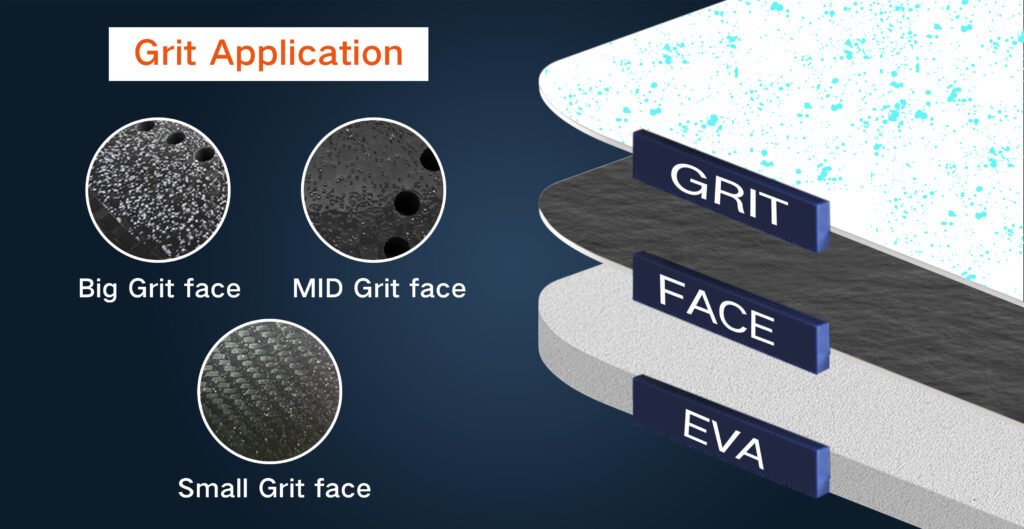
Carbon fiber is popular because it provides excellent strength while keeping the racket lightweight. However, different carbon layers create different playing feelings.
| Carbon Structure | Playing Feeling | Suitable Users |
|---|---|---|
| Soft Carbon Design | Comfortable, larger sweet spot, lower vibration | Beginners and comfort-focused players |
| Medium Carbon Design | Balanced power and control | Most intermediate players |
| Hard Carbon Design | Faster response and stronger power | Advanced players |
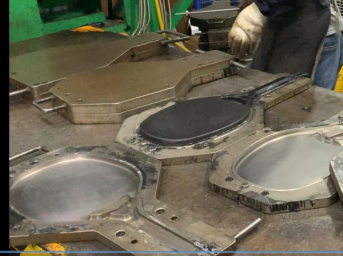
A professional racket factory understands that carbon fiber alone does not define quality. The complete manufacturing process matters. The carbon layout, resin control, pressing temperature, and quality inspection all influence the final product.
A reliable factory with in-house design and R&D teams can adjust these details based on market needs. For example, some brands need powerful rackets for competitive players, while others need comfortable models for recreational users. A customized approach helps create products that match different customer groups.
Experienced manufacturers that have worked with established racket brands as OEM and ODM partners usually understand these differences better. They can provide not only production but also technical suggestions during product development.
How Does Racket Balance Influence Comfort and Control?
Many buyers focus on racket weight, but balance is equally important. A 360g racket and a 360g racket can feel completely different because the balance point changes the swinging experience.
A racket with a high balance point creates more power but may increase wrist and shoulder pressure. A racket with a lower balance point feels easier to control and is often more comfortable during long matches.
Players often report discomfort when a racket is too head-heavy. Common problems include wrist fatigue, elbow pressure, and reduced control after extended use. This happens because the player needs more effort to move the racket quickly.
A professional manufacturing process should consider:
Weight Distribution
The total weight is only one part of the design. The position of the weight inside the frame affects handling speed and player comfort.
Balance Classification
Professional suppliers can create different versions:
| Balance Type | Main Benefit |
|---|---|
| Head-Light | Faster movement and better comfort |
| Even Balance | Balanced control and power |
| Head-Heavy | Stronger attacking power |
A factory with internal design and R&D capabilities can test different structures before mass production. This reduces the risk of creating products that look attractive but perform poorly.
For brands and distributors, offering clear product information is also important. Instead of only promoting weight and carbon type, better product descriptions include balance range, feeling level, sweet spot size, and recommended player type. This helps customers choose correctly and reduces unnecessary complaints.
Why Is Comfort Becoming More Important in Carbon Padel Rackets?
Carbon rackets are known for strength and professional performance, but some players experience discomfort because certain models are too stiff.
A very hard racket surface can transfer more vibration to the hand and arm. This does not mean carbon fiber is a problem. The issue is usually the combination of hardness, EVA density, and structural design.
Modern racket development is moving toward more balanced solutions. Many players want the premium feeling of carbon fiber but also want comfort during longer games.
A professional factory can create different product lines based on market demand:
Arm-Friendly Carbon Series
This type focuses on:
- Softer touch feeling
- Reduced vibration
- Larger sweet spot
- Easier control
- Better comfort during long matches
Performance Carbon Series
This type focuses on:
- Faster ball response
- Stronger attacking power
- Higher stiffness
- Competitive player requirements
The advantage of working directly with a factory is that product development can be adjusted from the beginning. In-house engineers, designers, and production teams can communicate quickly and improve prototypes before final production.
Factories with OEM and ODM experience for recognized brands understand that successful products need more than attractive appearance. They need practical performance advantages that players can feel during real matches.
How Can Manufacturing Quality Improve Racket Durability?
Durability is one of the most important factors when selecting a padel racket supplier. A racket may have excellent design, but weak production control can create problems after delivery.
Common customer concerns include frame cracks, paint peeling, and inconsistent quality between batches.
These problems require different solutions.
| Problem | Possible Cause | Manufacturing Solution |
|---|---|---|
| Frame Cracking | Weak structure or poor material combination | Improve carbon layers, strengthen key areas, test impact resistance |
| Paint Peeling | Weak coating adhesion | Improve coating process and surface treatment |
| Different Feeling Between Batches | Poor production control | Control material standards and production parameters |
A professional racket factory does not only focus on production speed. Quality control should cover every stage, including material checking, mold preparation, pressing, finishing, painting, and final inspection.
In-house production provides stronger control compared with companies that only purchase finished products from different suppliers. Design teams can work directly with manufacturing teams to solve problems faster.
For brands, distributors, and buyers, this means more stable supply, fewer quality issues, and stronger confidence when launching products in different markets.
Why Should Buyers Focus on Complete Product Solutions Instead of Only Specifications?
Many buyers compare rackets by simple specifications such as 3K carbon, 12K carbon, or 18K carbon. However, these numbers alone do not explain the complete playing experience.
A successful racket needs a clear market position.
Professional racket development should include:
| Product Information | Customer Value |
|---|---|
| Feeling Level | Helps players understand soft, medium, or hard response |
| Control Level | Shows handling performance |
| Power Level | Explains attacking ability |
| Sweet Spot Size | Shows forgiveness level |
| Recommended Player | Helps match the correct user group |
A factory with design, R&D, and sales departments can support customers beyond manufacturing. From first concept development to final production, every step can be managed with technical knowledge.
Many successful racket brands choose OEM and ODM cooperation because it allows them to create unique products without building their own manufacturing system. A direct factory partnership provides advantages in customization, communication efficiency, production control, and cost management.
The goal is not simply producing more rackets. The goal is creating rackets that solve real player problems and create stronger market value.
Conclusion
Choosing a high-performance padel racket means choosing better materials, smarter design, reliable manufacturing, and professional technical support. A trusted factory partner helps create products with lasting market potential. Send an inquiry and start building a customized racket solution today.